




Tropical music has established itself as a central element in Latin celebrations, functioning as a bond that unites the Hispanic community in the United States and around the world. This genre encompasses rhythms with roots in the Caribbean, such as salsa, merengue, bachata and cumbia, whose vibrant rhythms and lyrics charged with stories of love, life and hope have been extensively documented in cultural and musical studies. These studies confirm that these rhythms not only incite dancing, but also strengthen the sense of identity and belonging, connecting generations and reflecting the rich Hispanic cultural heritage.
At QuéOnnda, we have carefully selected some of the most emblematic tropical songs, those that have transcended time and left an indelible mark in the collective memory. Each song has been chosen for its historical relevance, commercial success and ability to capture the festive and resilient spirit that characterizes tropical music, making it the perfect companion for unforgettable moments of togetherness and celebration.
“La Vida es un Carnaval”

Celia Cruz, widely recognized as the “Reina de la Salsa”, left an indelible legacy in Latin music.
One of his most emblematic songs is “La Vida Es Un Carnaval”, released in 1998 as part of the album Mi Vida Es Cantar.
This song has stood out for its energetic rhythm and inspiring message, which urges us to recognize that, despite adversity and difficulties, there are always reasons to celebrate life.
Cultural and musical studies have documented how this work became a symbol of resilience, highlighting the importance of finding joy in the midst of challenges.
In addition, “La Vida Es Un Carnaval” has transcended borders and generations to establish itself as a classic in the Latin music repertoire.
Its presence in festivities and celebrations is practically indispensable, as its contagious rhythm and optimistic message foster an atmosphere of union and celebration among communities of diverse origins.
“Suavemente”

Since its release in 1998, “Suavemente” has become one of the biggest hits of merengue, a musical genre originating in the Caribbean.
Performed by Elvis Crespo, the song was part of his eponymous debut album, which launched his international career and redefined the tropical music scene at the time.
The rhythmic structure of “Suavemente”, with its fast-paced and infectious beats, has made it a staple at clubs, festivals and celebrations in both the United States and Latin America.
Its popularity is reflected in its constant presence in the charts and in the numerous live performances that have led Elvis Crespo to perform this song in international events, marking a before and after in the genre.
The impact of “Suavemente” goes beyond the dance floors, being recognized by critics and tropical music experts for its contribution to the global diffusion of merengue.
Its ability to transcend generations and unite diverse audiences remains a testament to the cultural and musical value of this theme
QuéOnnda.com
“Oye Cómo Va”

It is an iconic composition in the history of tropical music, recognized both for its mambo origins and its international transcendence.
Composed and originally performed by the legendary Tito Puente, the song is characterized by its vibrant rhythm, marked by the typical mambo cadence, and its ability to capture the festive and energetic spirit of Caribbean culture.
Tito Puente’s original interpretation stood out for its authenticity and its decisive contribution to the popularization of the genre in Latin America.
Subsequently, the band Santana reintroduced “Oye Cómo Va” to the global stage with its version included in the album Abraxas (1970).
This reinterpretation masterfully fused elements of rock with Latin rhythms, making the song a bridge between musical cultures and reaching a much wider audience.
The mixture of electric guitars with traditional percussion not only maintained the original essence of the work, but also gave it a new dimension, consolidating it as a fundamental piece in the Latin repertoire and a symbol of cultural fusion in contemporary music.
“Aquel Lugar”
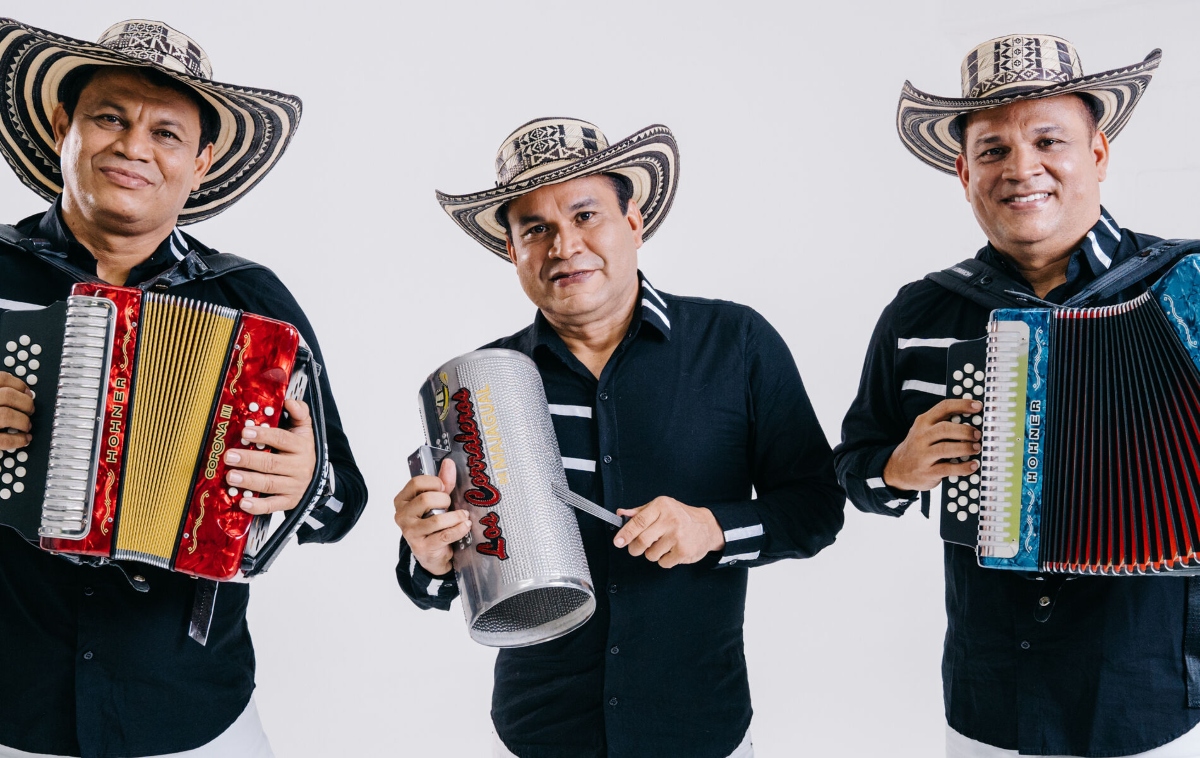
Los Corraleros de Majagual, recognized as pioneers and referents in the evolution of Colombian cumbia, marked a before and after in Latin American tropical music.
Among its many hits, “Aquel Lugar” stands out for its infectious rhythm and melody that fuses traditional elements-such as the characteristic percussion and other indigenous instruments-with musical arrangements that invite dancing.
The lyrics, simple but full of emotion, evoke feelings of nostalgia and joy, making the song remain in the festive repertoire both in Colombia and in other countries of the region.
Various studies and historical records of tropical music confirm that the legacy of Los Corraleros de Majagual continues to be fundamental to understand the diffusion and popularization of cumbia, consolidating “Aquel Lugar” as an emblematic piece that unites generations through its unmistakable cultural identity.
“Cali pachanguero”

It is a vibrant tribute to the city of Cali, recognized worldwide as the capital of salsa.
Performed by Grupo Niche, one of Colombia’s most influential salsa groups, this song pays tribute to the festive energy and celebratory spirit of Cali’s capital city.
Composed by Jairo Varela, leader and founder of the group, “Cali Pachanguero” fuses contagious rhythms and lyrics that evoke the tradition of the “pachanga” – the joy and festive atmosphere that characterize Cali – capturing the essence of the city.
Since its release, the song has established itself as a salsa anthem and a must-have at festivals, clubs and celebrations in Latin America and beyond.
Its unmistakable rhythm and message have allowed “Cali Pachanguero” to transcend generations, becoming a key piece that unites Latin music lovers and celebrates Cali’s rich cultural heritage.
“La Gota Fría”

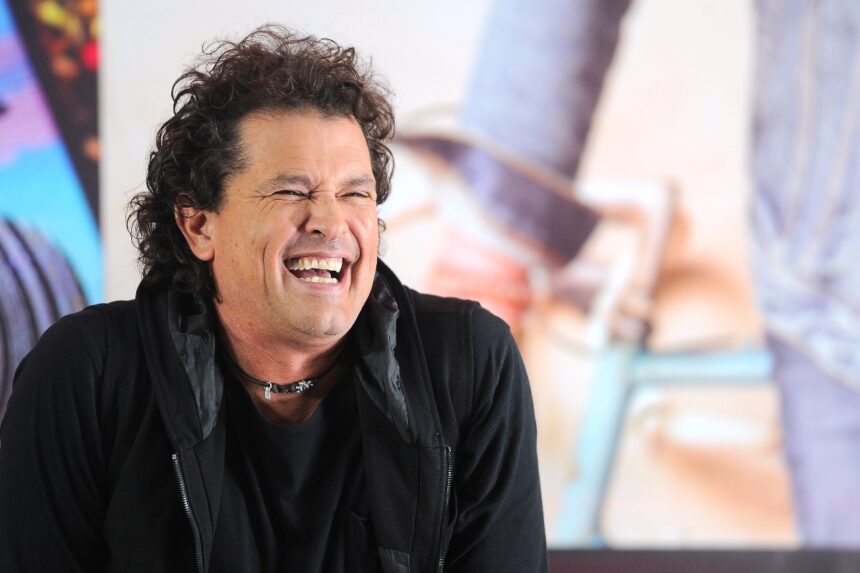
Carlos Vives revitalized this vallenato classic and took it to international audiences. A success to this day.
“La Gota Fría” tells a story of love rivalry with a rhythm that invites dancing and collective singing.
Also noteworthy are “El africano” by Wilfrido Vargas, “Llorarás” by Oscar D’León, “El baile del beeper” by Oro Sólido and “La negra tiene tumbao” by Celia Cruz.
“La Negra Tiene Tumbao” is a celebration of confidence and self-style, and continues to be a hit on the dance floors.
For more information, visit QuéOnnda.com.