





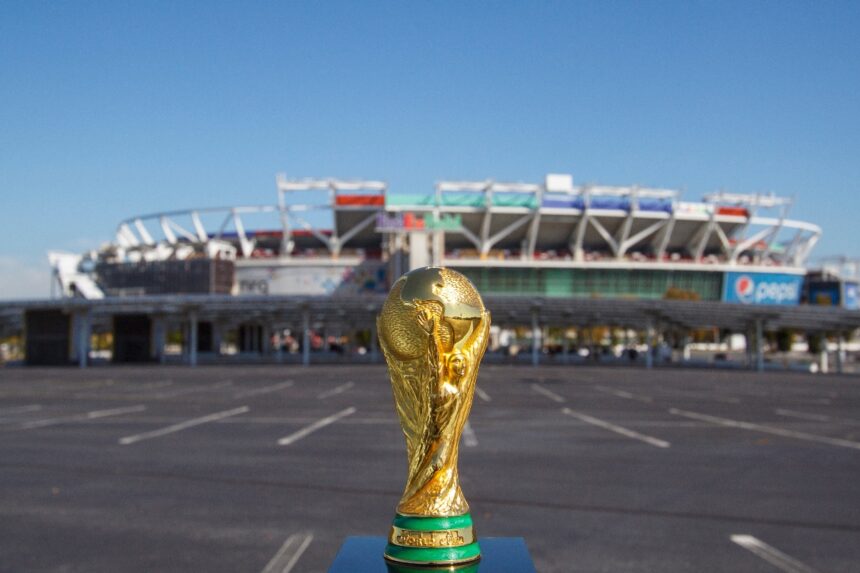
With just a few months to go before the start of the 2026 World Cup, tickets are already registering significant increases on the official resale platform set up by FIFA. Although the original tickets were already high, the current prices on the official secondary market have surprised even experienced fans. On the official resale portal, a Category 3 ticket for the opening match between Mexico and South Africa (June 11 in Mexico City) was offered at US$5,324, when its original price was US$895. In the United States, the increases are also notable.
For the France vs. Senegal match on June 16 in East Rutherford, New Jersey, tickets originally priced at $219 are on resale for around $1,000. In Category 1, tickets go from $620 to $1,380. The most shocking case is the July 19 final, where a Category 1 ticket, originally priced at $7,875, is being offered for nearly $20,000. However, there are some exceptions: certain lower-demand games show tickets on resale below the original price.
How does the official FIFA resale work?
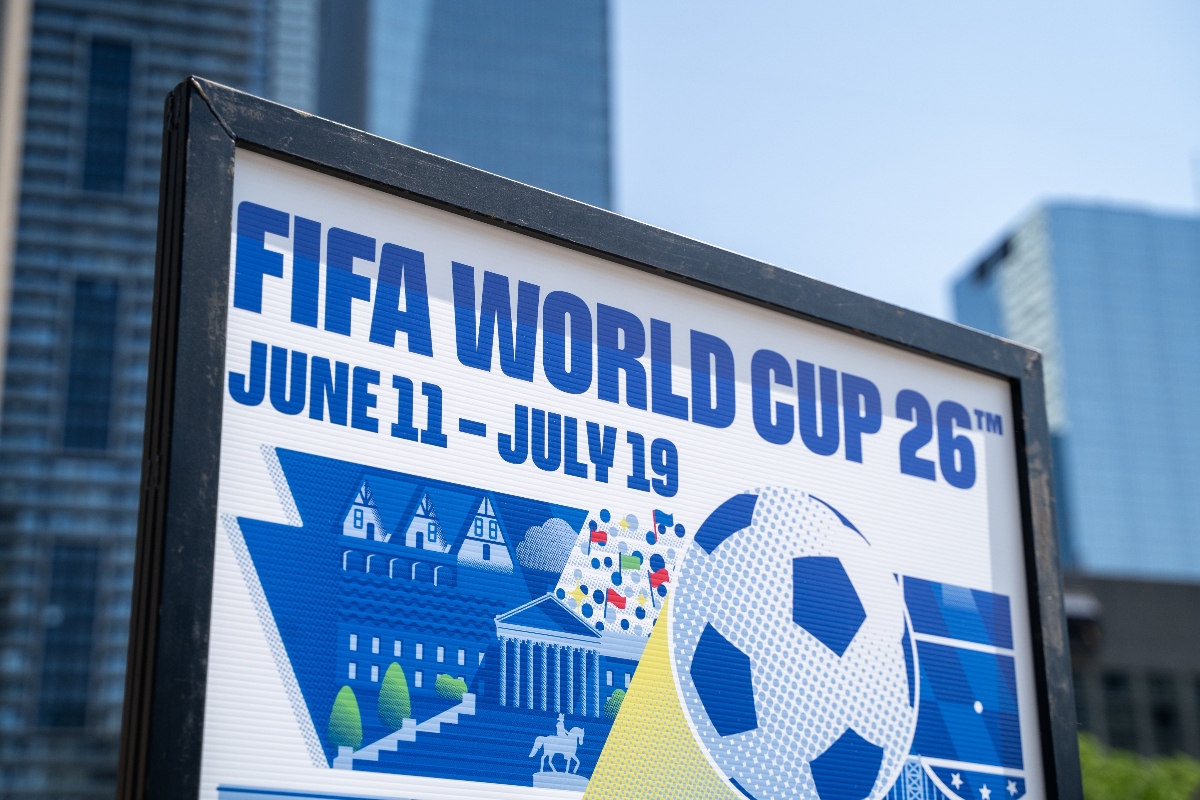
FIFA acts as a “facilitator” of the exchange between fans and charges a 15% commission per transaction.
The final price is set by the seller.
This model is in line with common practices at major sporting events in the United States and Canada, where resale is not regulated at the federal level.
In Mexico, resale for profit is prohibited when the purchase is made in Mexican territory and in local currency.
The most striking case is the July 19 final
QuéOnnda.com
What you should know before buying tickets
For those who live in the United States and plan to attend games in venues such as New Jersey, Texas or California, it is key to consider:
Compare prices between direct sales and resale.
Wait for the “last minute” phase, which will be open from April until the end of the tournament on a first-come, first-served basis.
Always verify that the purchase is made on official platforms to avoid fraud.
FIFA has explained that it uses a variable pricing system based on demand and availability, but not an automatic dynamic model.
The 2026 World Cup – to be held in the United States, Mexico and Canada – will be the first with 48 teams and the projected demand is historic.
According to FIFA, previous sales phases attracted hundreds of millions of applications.
For more information, visit QuéOnnda.com.