




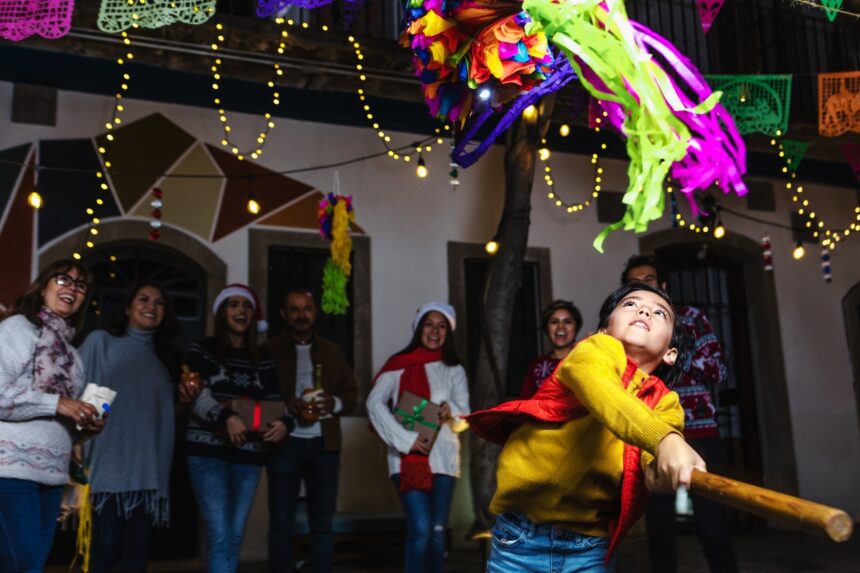
Christmas is one of the most significant times for the Hispanic community in the United States. Although many immigrants have adopted U.S. customs, such as the Christmas tree or gift exchanges on Christmas Eve, they continue to keep alive the traditions they brought from their countries of origin. For millions of Latinos, these celebrations represent identity, roots and an emotional bridge to their families across the border.
These are the 5 Hispanic Christmas traditions in USA, along with the historical origin of each and how they are kept alive in a multicultural country.
1. Las Posadas

Originating in Mexico and spread throughout Central America, the Posadas recreate the pilgrimage of Mary and Joseph looking for an inn before the birth of Jesus.
The tradition was born in the 16th century, when Spanish missionaries used religious representations to teach biblical history.
In the U.S., Posadas are celebrated in homes, churches and community centers, especially in states with large Latino populations such as California, Texas, Arizona and Illinois.
For many immigrants, it is a way of transmitting culture and faith to their children born here.
2. The nativity or manger
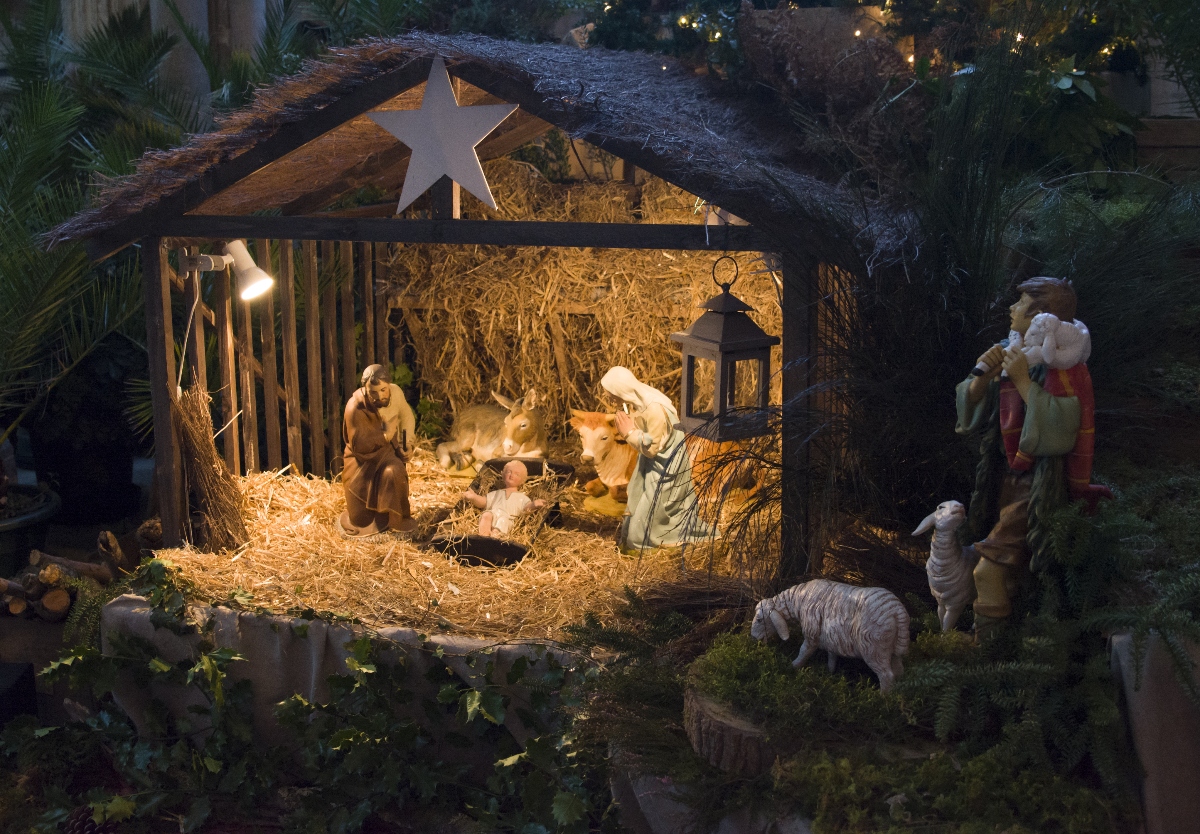
Nativity scenes were introduced by the Spanish during colonial times and spread throughout the continent.
St. Francis of Assisi popularized their use in 1223, but in Latin America nativity scenes took on elements of their own: clay figures, handcrafted landscapes and local characters.
In the United States, Hispanic families decorate their homes with elaborate nativity scenes, often more important than the Christmas tree.
For the children, setting up the nativity scene is a ritual that reinforces their cultural heritage.
3. Christmas Eve dinner
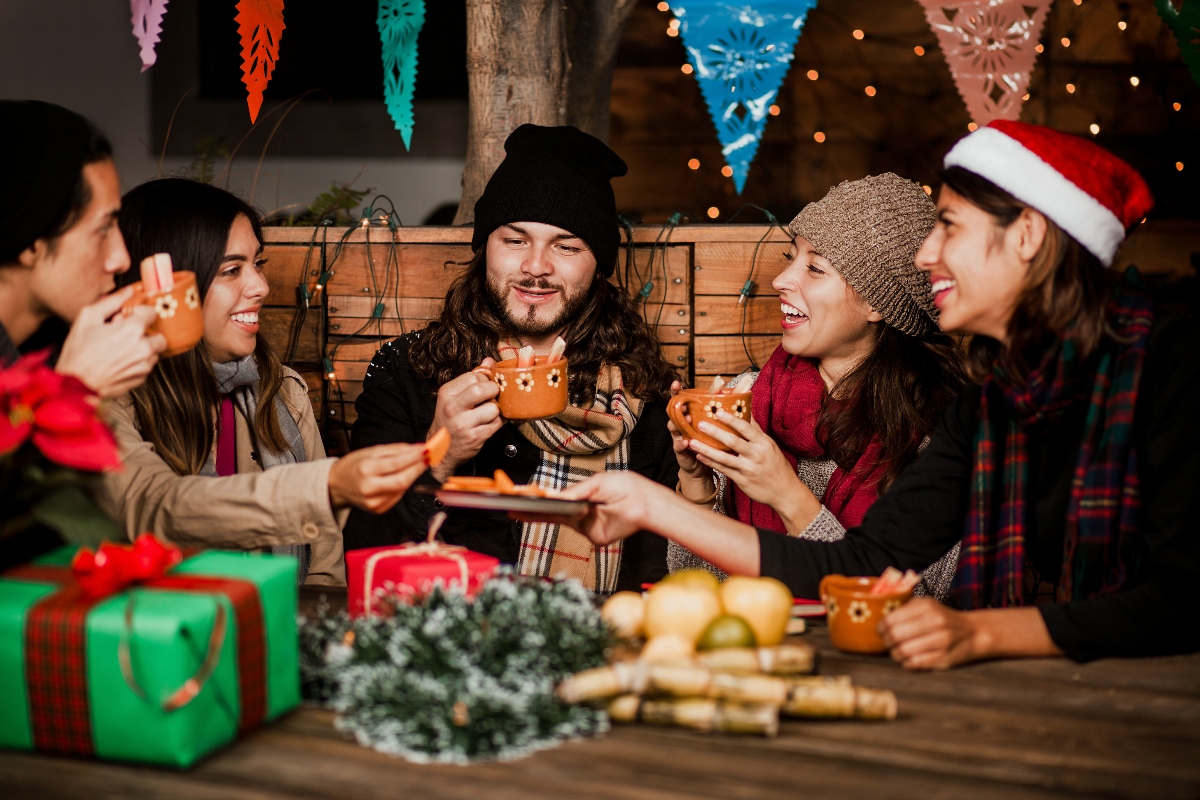
For Latinos, the night of December 24 is the main celebration, unlike the Anglo-Saxon tradition that favors the 25th, Christmas Day.
Each country contributes a distinctive dish:
Mexico: bacalao, romeritos, tamales, ponche
Caribbean: roast suckling pig, cakes, moros, coquito
Central America: tamales, stuffed breads, stuffed breads
South America: asado, russian salad, ham bread
In the U.S., many families keep these recipes as a symbol of identity.
Latin stores and community markets sell hard-to-find ingredients, demonstrating the strength of these traditions.
4. Christmas carols and aguinaldos
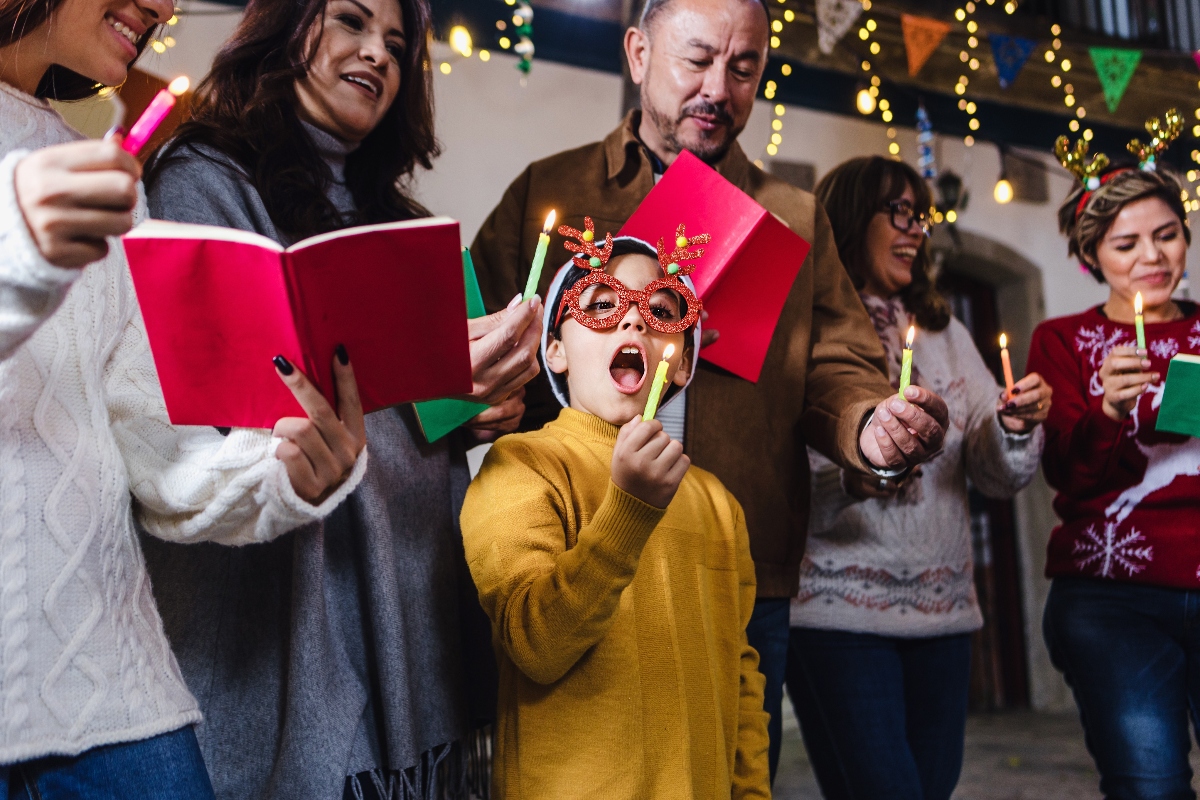
Spanish Christmas carols were mixed with indigenous and African rhythms, giving rise to aguinaldos and Christmas songs specific to each country.
In U.S. cities with high Latino populations – Los Angeles, Chicago, Miami, Houston – community groups organize events where traditional Christmas carols are sung, reinforcing the sense of community that immigrants value so highly.
5. The visit of the Baby Jesus

In Mexico, Central America and parts of South America, it is not Santa Claus who brings the gifts, but the Baby Jesus.
In the United States, some families maintain this tradition so that their children do not lose the link with their faith and cultural identity, even when living with the figure of Santa.
Filed under: Hispanic Christmas Traditions in USA