




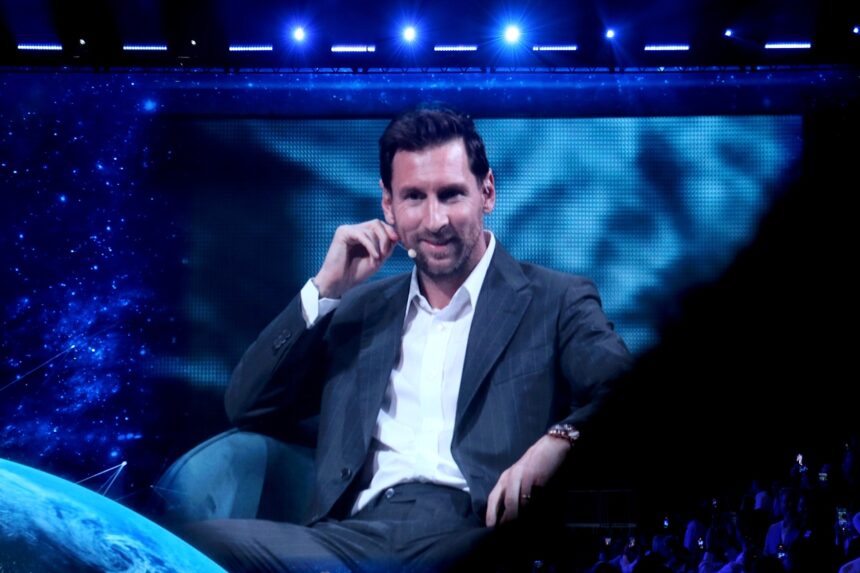
Lionel Messi, Inter Miami CF forward, projects that the 2026 FIFA World Cup will be “extraordinary” and says the tournament – to be played in the United States, Mexico and Canada – will be a real engine for the growth of soccer in the U.S.
In an interview with U.S. media published in November 2025, Messi praised the host country’s organizational advances, the quality of the fans and the level of infrastructure. “There are going to be very nice matches… at the organizational level it’s going to be something extraordinary,” said the Argentine star.
Where North American soccer is headed
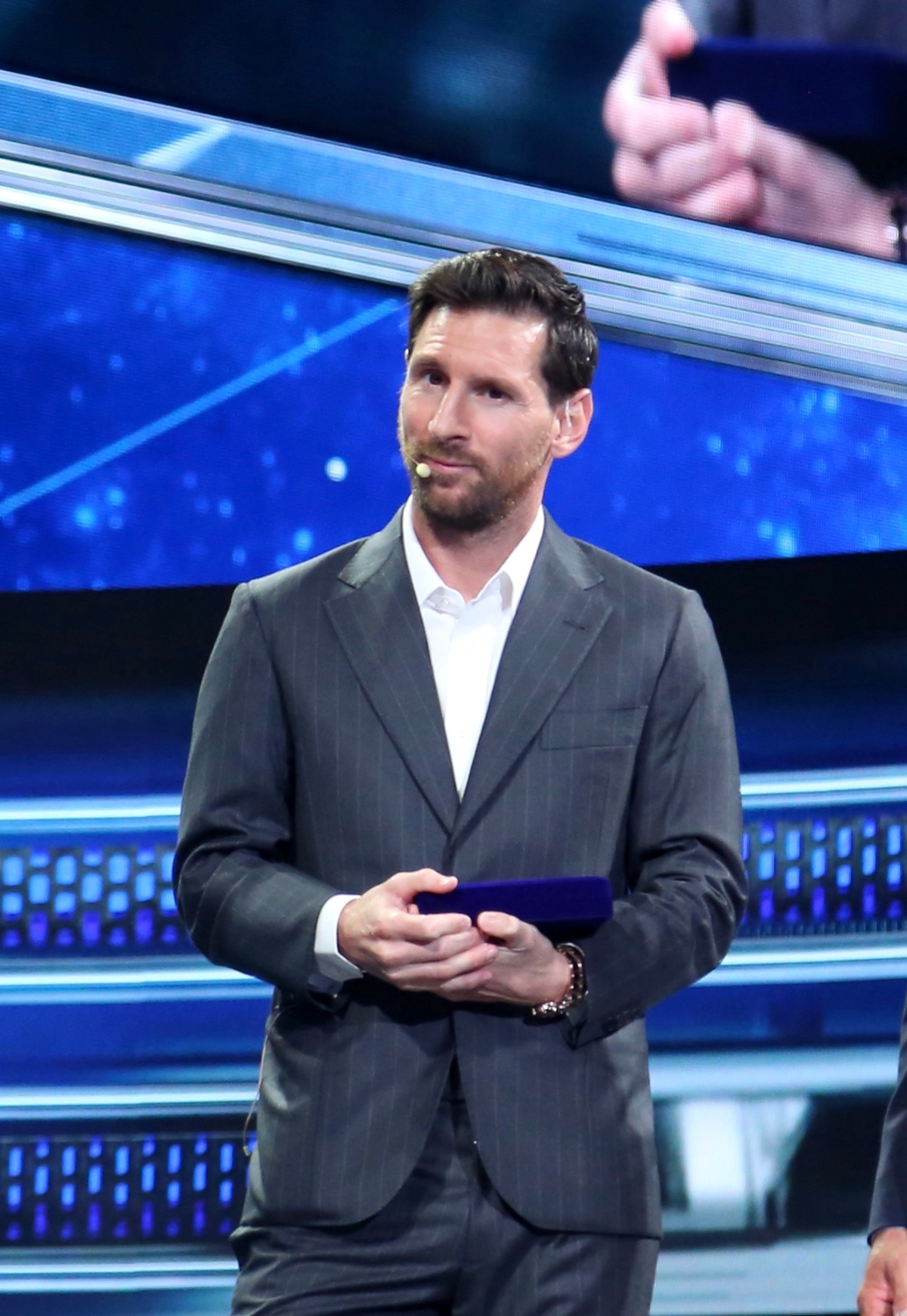
There are going to be some very beatiful matches
Lionel Messi
Messi also referred to the “Copa Messi”, a youth tournament that will bring together elite academies in Miami.
And to Inter Miami’s renovated stadium, scheduled to open in 2026.
These initiatives, he said, “go hand in hand with how well we’re doing … and being able to continue to help the club grow.”
In addition, his arrival in MLS in 2023 has served as a symbolic “key” to bring greater global attention to soccer in the U.S., both on and off the field.
What’s next for Messi and the World Cup?
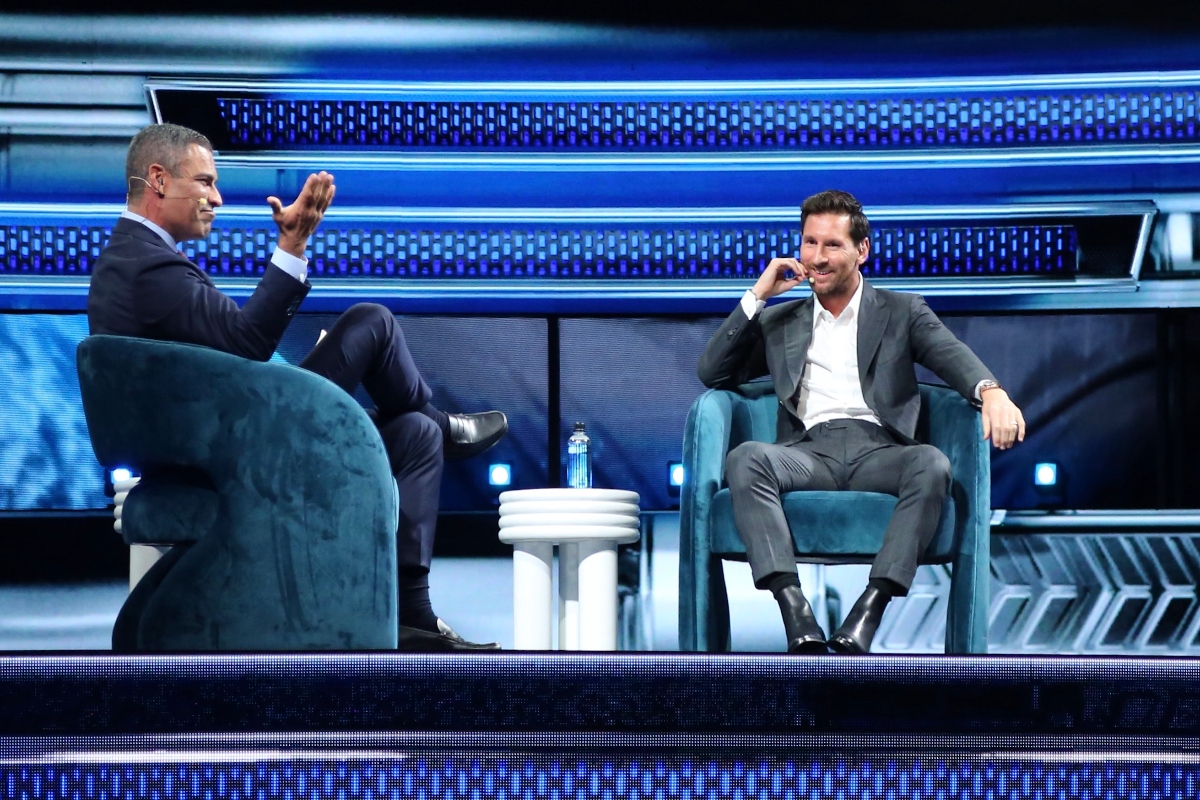
Although Messi expressed his desire to attend the World Cup with Argentina, he clarified that his participation will depend on his physical condition at the start of the 2026 season.
Meanwhile, his role as an ambassador for the growth of soccer in the U.S. is becoming increasingly clear.
For U.S. Hispanics, it is a sign that the sport they love is gaining ground in the country where they live, with possibilities of connecting directly to the global elite.
The 2026 World Cup will be a soccer party
For the Hispanic community living in the U.S., this message represents several opportunities:
To see soccer’s ambition to grow on U.S. soil reflected, something that aligns with the Latino identity that follows the sport with passion.
Learn how the presence of Messi and franchises like Inter Miami not only elevate the domestic league (Major League Soccer – MLS) but contribute to the development of young talent that can connect both the U.S. and Latin America.
Anticipate that the 2026 World Cup – held in part in the U.S. – could generate close fan experiences for U.S.-based Latinos, from travel to venues to bilingual media coverage.
For more information, visit QuéOnnda.com.