






At a time when the cost of living in the United States continues to put pressure on the pocketbook – higher rents, variable gasoline, ever-rising food prices – many families are looking for real ways to save without having to work longer hours or get a second job.
Although it may seem difficult, small adjustments to everyday habits can generate significant savings. Here are five proven tricks that are already helping thousands of Hispanics reduce expenses and save at least $300 a month.
1. Changing a single “invisible” expense can free up to $80 per month.

One of the most common mistakes is paying for subscriptions that you no longer use: streaming services, apps, music platforms, extra storage or subscriptions that come pre-installed on your phone.
In the U.S., the average user pays between $30 and $80 per month in forgotten subscriptions.
What to do:
Review your statements for the last 90 days.
Cancel everything you don’t use on a weekly basis.
Maintain a maximum of 2 streaming services.
This step alone can free up $40 to $80 per month.
2. Change the supermarket in key products

Food represents one of the highest expenses.
But you don’t need to change your favorite supermarket: just change what you buy and where.
Many Hispanics have already adopted this strategy with excellent results:
Buy basics at inexpensive stores such as Aldi, Walmart or Dollar Tree (rice, pasta, milk, bread, snacks).
Leave for Kroger, H-E-B, Publix, Target or Costco only what is really worthwhile (fresh fruits, meat, detergents).
This trick generates an average savings of $15 to $25 per week, or $60 to $100 per month without sacrificing quality.
3. Renegotiate your bills: internet, telephone
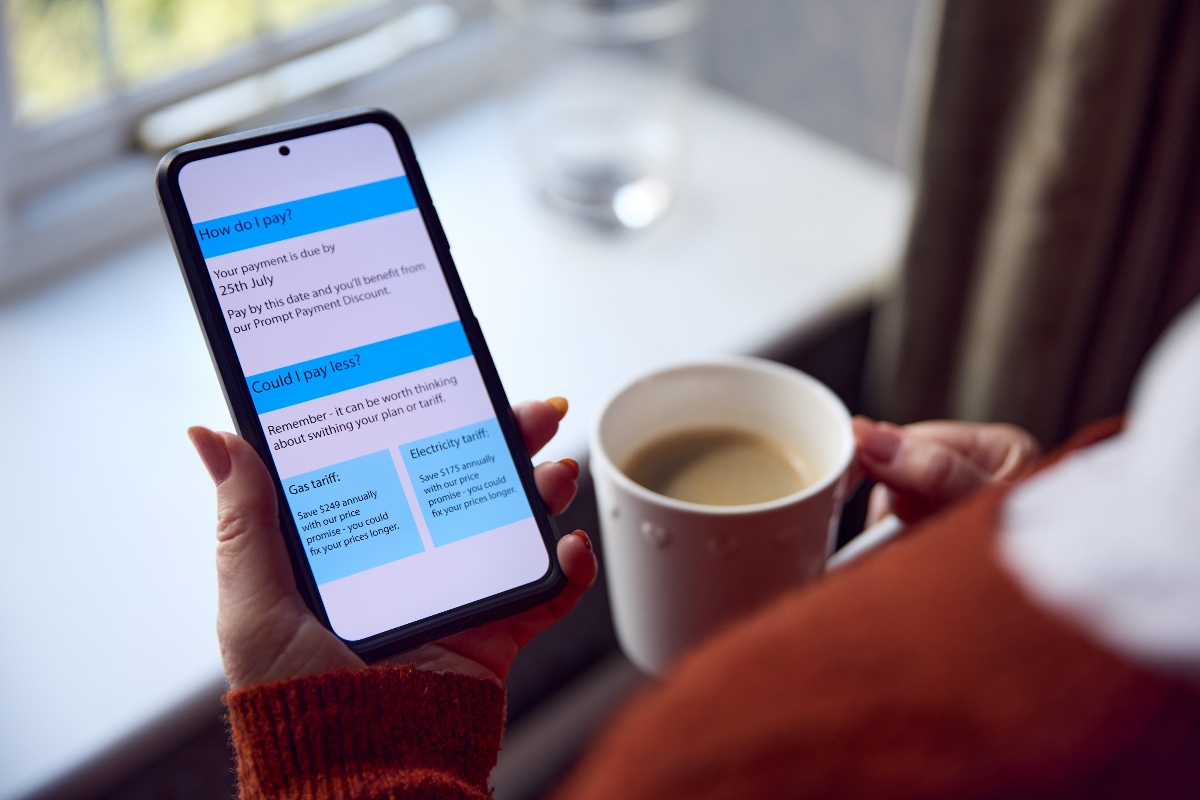
Internet and phone companies in the U.S. have rates that go down if you call once a year to renegotiate.
The same is true for auto insurance, electricity (in free market states) and utility platforms.
What to say when you call:
“I’m reviewing my monthly expenses – is there a promotion, discount or cheaper plan available?”
In most cases, you can reduce your bill by $10 to $30 for each service, which translates to $40 to $90 per month.
4. The “no shopping week” trick
Once a month, pick a week where you don’t buy anything extra outside of gas or emergencies.
Use everything you already have in your pantry and eliminate cravings, food orders and impulse purchases.
This trick, popular on personal finance blogs, generates savings of $50 to $70 in seven days, especially in families that cook more and order less fast food.
5. Reduce coffee and fast food outings

The $5 daily coffee and $12 “quick lunch” seem small, but they add up.
By reducing only 3 coffee purchases and 2 fast food meals per week, the estimated savings is:
Coffee: $15 per week
Fast food: $20-$30 per week
Total monthly savings: $35 to $120.
Tips to save 300
Adding simple strategies:
Subscriptions: $40-$80
Supermarket: $60-$100
Invoices: $40-$90
No shopping week: $50-$70
Less fast food and coffee: $35-$120
Total monthly possible: $225 to over $460.
Without working more. Without changing your lifestyle. Just adjusting habits.
Filed under: Tricks to save 300