






For many women, high heels are not just an accessory: they are part of personal style, special events or even work uniforms. But they are also one of the most common causes of foot, ankle and back pain in women of all ages. According to the American Podiatric Association, wearing heels frequently can put pressure on the front of the foot, alter posture and increase the risk of injury.
If you wear heels – whether every day or just on weekends – these tips can help you prevent pain, reduce discomfort and take care of your health without compromising your style.
Choose the right height: experts recommend heels of 5 cm or less.
Podiatrists agree that heels of two inches (5 cm) or less put much less pressure on the metatarsal bones.
Heels higher than 7 cm raise the heel excessively, increase the forward lean of the body and force the toes to bear more weight than they should.
Tip: If you are going to walk a lot or stand for several hours, choose medium or low heels. Reserve higher heels for short periods of time.
Avoid very thin heels
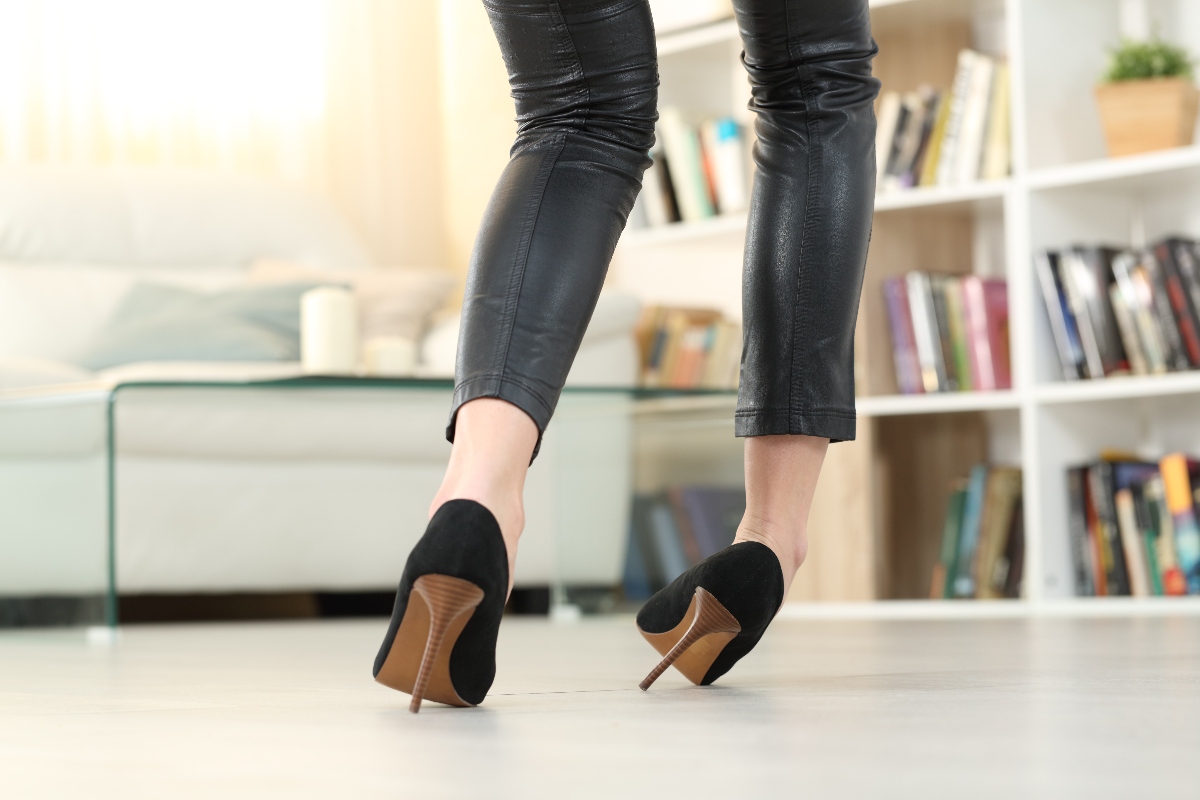
Although stilettos are elegant, the thinness of the heel reduces stability and increases the risk of sprains or falls.
Specialists recommend heels:
Wider
Block
Firm platforms
These distribute weight better and reduce pressure on the ankles.
Use inserts or gel pads: immediate relief
Gel pads, arch supports or forefoot protectors can significantly reduce pain.
They are sold in pharmacies, supermarkets and stores such as Target or Walgreens.
Benefits according to the American Podiatric Medical Association:
Cushion impacts
Reduce metatarsal pressure
Prevent slippage inside the shoe
Improve arch support
Tip: Look for heel-specific insoles, not standard ones.
Alternate footwear: do not wear heels two days in a row.
Daily use of heels can shorten the calf muscles and tighten the Achilles tendon.
For this reason, specialists recommend alternating:
Heels one day
Flat shoes or sneakers the next day
This gives the muscles time to recover.
Don’t ignore shoe fit
70% of women in the U.S. wear the wrong shoe size according to the APMA.
A shoe that is too tight causes blisters and pressure; a large shoe causes the foot to slip and generates pain.
Do this: Try heels at the end of the day, when your feet are more swollen and realistic to their size.
Stretch your feet before and after wearing heels.
Podiatrists recommend simple stretches to reduce tension:
Stretch the arch of the foot by leaning it against a wall.
Turning the ankle in circles
Stretch calves 20-30 seconds
Use a tennis ball to massage the plant.
These exercises help to improve circulation and avoid accumulated pain.
Carry tennis shoes or flats in your bag
If your day includes walking, train transfers, stairs or long distances, carry comfortable shoes in your bag and change heels only when you need them.
This minimizes the time your feet endure the heel tilt.
Warning signs: when to see a specialist
Seek medical attention if you present:
Pain lasting more than two days
Persistent swelling
Numbness or burning
Heel or arch pain
Discomfort when walking even without heels
These may be signs of plantar fasciitis, neuromas or injuries that need treatment.
Wearing heels does not have to be synonymous with pain.
With a few adjustments, a better choice of footwear and good habits, you can enjoy your style without compromising your health.
And most importantly: listen to your body and give it rest when it needs it.
Filed under: High heels