






The statements made by Rodrigo De Paul, Argentine midfielder of Inter Miami CF and world champion in Qatar 2022, sparked an international debate that has not gone unnoticed in the United States or Europe, since in an interview with beIN SPORTS USA, the former Atlético de Madrid player assured that, in his opinion, “it is more difficult to win the MLS than the Champions League”.
The phrase went viral on social networks and opened a deep discussion about the growth of Major League Soccer (MLS) and its comparison with the most prestigious club tournament in Europe.
Why does De Paul consider MLS to be more difficult?

The Argentinean’s argument does not focus on historical prestige, but on the competitive format.
MLS combines an extensive regular season – with extensive travel throughout the United States and Canada, changes in climate, altitude and surface – with a single-elimination playoff phase.
This means that a team can dominate for months and be eliminated in a single game.
Unlike the UEFA Champions League, which includes a group stage and two-legged knockout rounds (allowing room for error), MLS is designed on principles of competitive parity:
Salary cap, draft and balancing mechanisms that reduce the difference between workforces.
For Rodrigo De Paul, that structure in MLS forces him to “survive” week after week.
MLS consolidates its place in the global soccer world
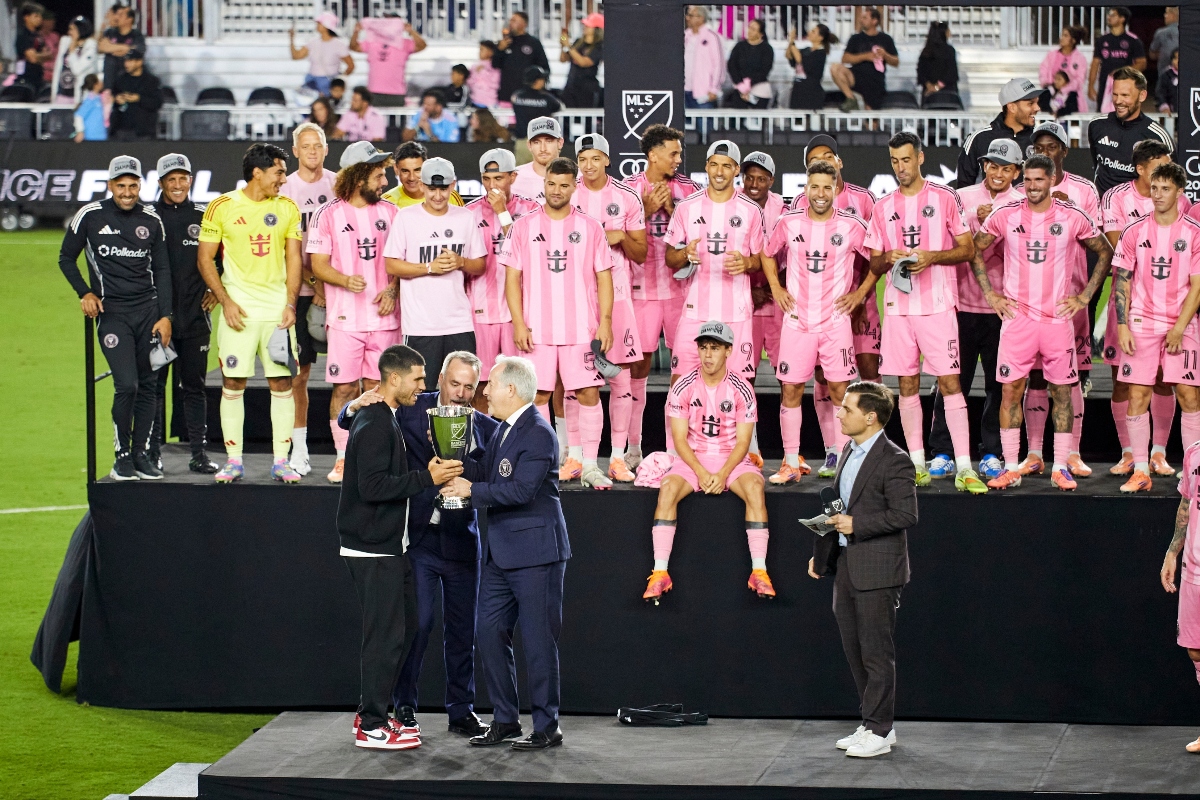
For the Latino community living in the United States, this debate strikes a special chord.
MLS has grown exponentially in audience, investment and cultural impact.
Especially in cities with high Hispanic populations such as Miami, Los Angeles, Houston and Chicago.
Having a world champion like Rodrigo De Paul defend the competitiveness of MLS reinforces the perception that soccer in the U.S. is no longer an emerging project, but an established competition.
The statement went viral on social media
QuéOnnda.com
Does prestige equal difficulty?
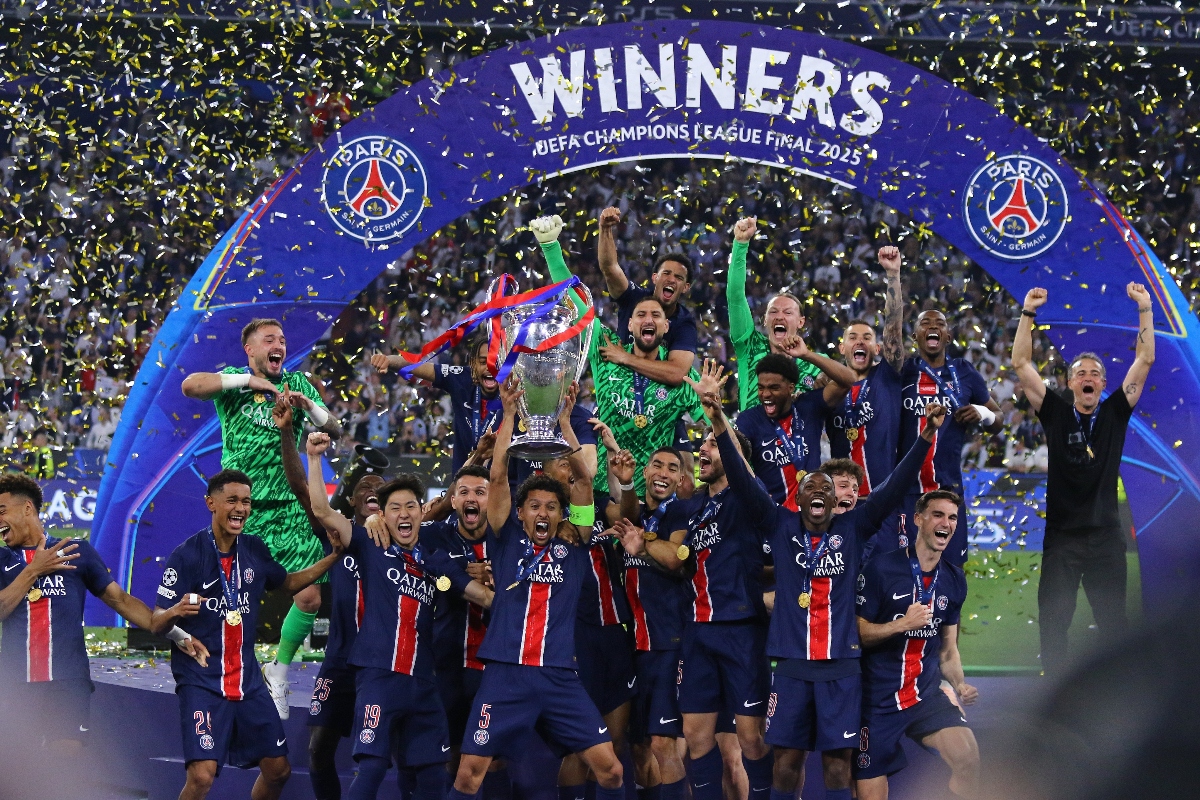
Historically, the Champions League has been considered the pinnacle of club soccer because of its technical level, economic power and tradition.
However, De Paul’s reflection raises another question: is a tournament with more resources necessarily more difficult?
The controversy is open. Some consider the comparison exaggerated; others see it as a sign of the real growth of MLS.
The truth is that Rodrigo De Paul has put MLS at the center of the conversation, something unthinkable just a decade ago.
For more information, visit QuéOnnda.com.