




Aging entails natural changes in the body, but the loss of teeth is not an inevitable consequence of aging. Under the premise that a healthy mouth is essential for proper nutrition and a good quality of life, specialists in geriatrics and dentistry warn about the importance of redoubling preventive care when crossing the 65-year barrier.
The myth of inevitable tooth loss
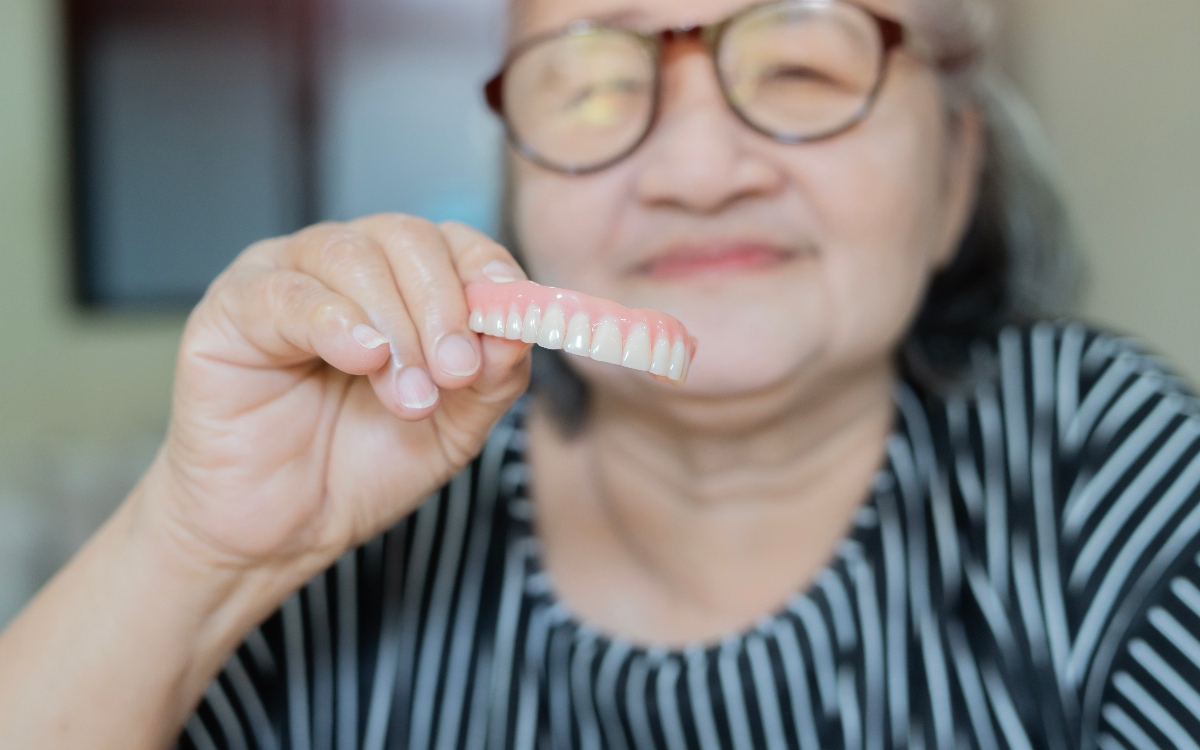
For decades, the use of total prostheses or “dentures” has been normalized as an obligatory stage of old age.
However, modern dentistry maintains that, with proper maintenance, natural teeth can be preserved for life.
The real risk in the elderly is not the passage of time, but rather the accumulation of chronic conditions such as periodontitis (gum disease) and xerostomia (dry mouth).
Xerostomia is particularly common in older adults due to the use of medications for hypertension or diabetes, which reduce saliva production.
As this flow decreases, the mouth loses its natural cleaning mechanism, facilitating the appearance of root caries (at the root of the tooth) and enamel erosion.
Systemic Risks: Beyond Aesthetics
Oral health in the elderly has a direct correlation with general health.
Clinical studies have shown that gum infections can aggravate pre-existing conditions:
Cardiovascular disease: Oral bacteria can enter the bloodstream and affect heart valves.
Diabetes: There is a bidirectional relationship; uncontrolled diabetes worsens gingival health, and an oral infection hinders glucose control.
Nutrition: Difficulty chewing leads many older adults to avoid fibrous foods or solid proteins, resulting in malnutrition or anemia.
Essential Care Guide
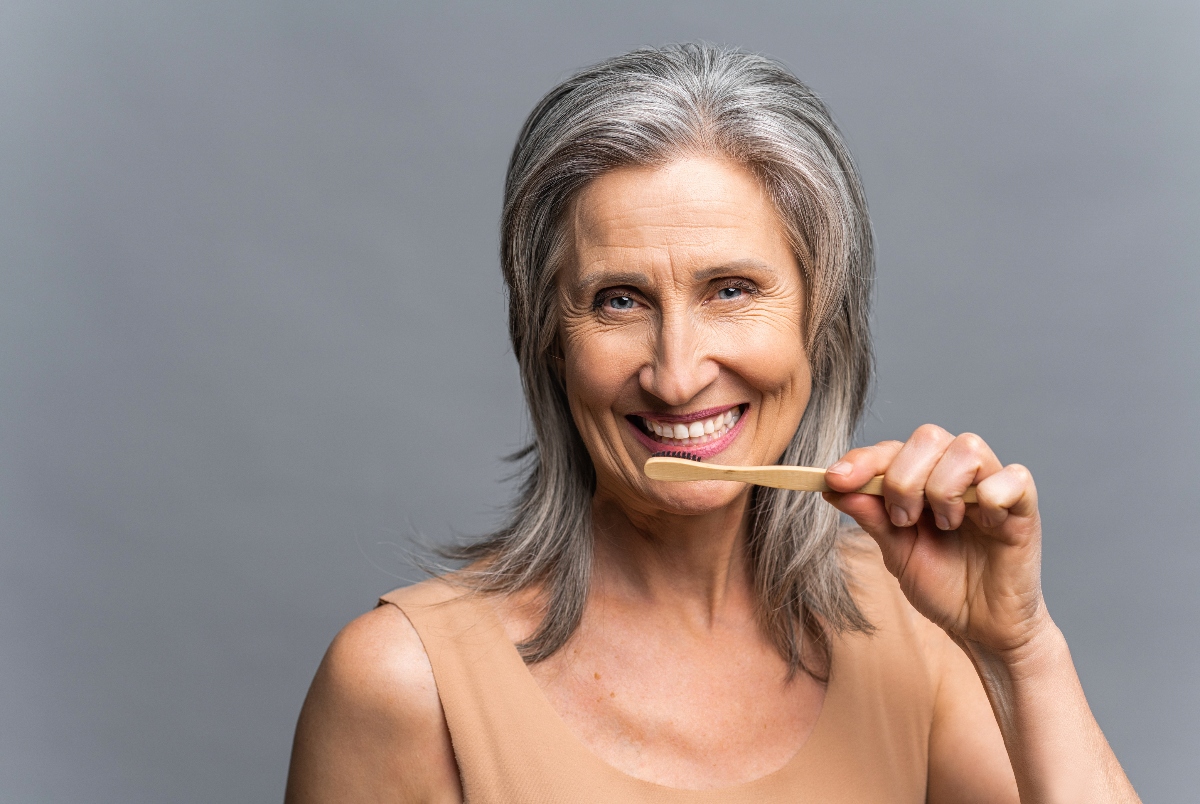
To avoid the use of false teeth or to ensure the success of implants, experts recommend three basic pillars:
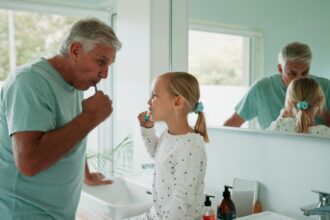
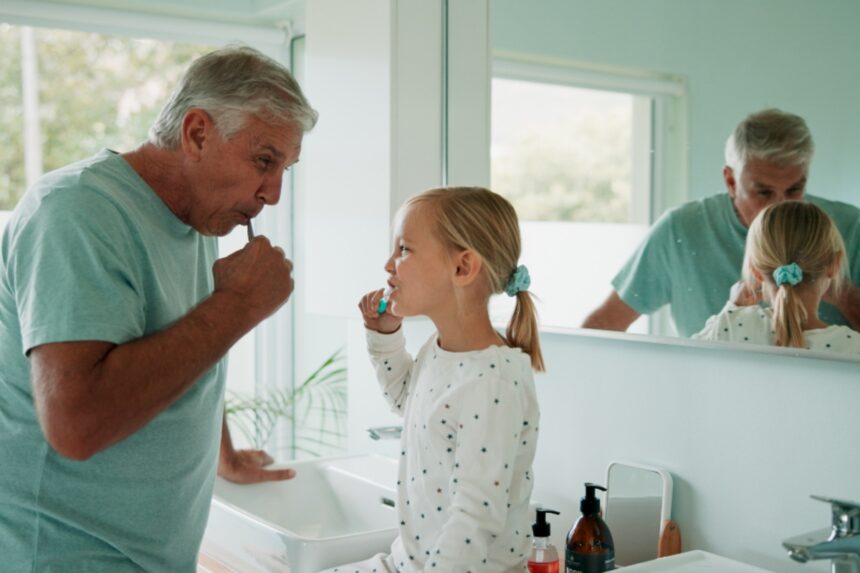
Adapted hygiene: The use of electric toothbrushes or brushes with ergonomic handles is vital for those suffering from arthritis or reduced hand mobility.
Denture cleaning: If removable dentures are used, they should be cleaned daily outside the mouth and removed at night to allow the tissues to rest.
Constant hydration: Drink water frequently and use salivary substitutes if necessary to combat drug-induced dryness.
Maintaining natural dentition not only preserves esthetics, but also ensures the functionality necessary for a full and active old age.
Filed under: Oral health elderly