





A combination of extreme conditions – including severe thunderstorms, possible flash flooding and sweltering temperatures – has prompted a nationwide weather alert this week, warned meteorologists from AccuWeather and the National Weather Service (NWS).
More than 50 million people are expected to face direct impacts from severe weather, especially in the central and eastern United States.
A “heat dome” puts millions at risk
From Texas to Missouri, more than 50 million people were under extreme heat warnings or advisories issued by the NWS.
These alerts include cities such as Dallas, Houston, Kansas City and St. Louis, where temperatures above 100 degrees Fahrenheit (38 °C) are anticipated, with even higher wind chill due to high humidity.
This phenomenon is related to a “heat dome” – an area of high atmospheric pressure that traps warm air near the surface – which, according to experts, could remain over the central US until mid-August.
Chad Merrill, AccuWeather senior meteorologist, explained that “this looks to be a long-lasting heat wave, with little chance of rain.”
He added that the drought is intensifying in the Central Plains, especially in Kansas and Nebraska, where areas with moderate to extreme drought are already reported.
Kansas City, Missouri, which had not reached 100 °F in two years, could record that temperature several times this week.
In Dallas, it would be the first time in 2025 to surpass that mark.
Risk of severe storms and flooding
Heat does not come alone.
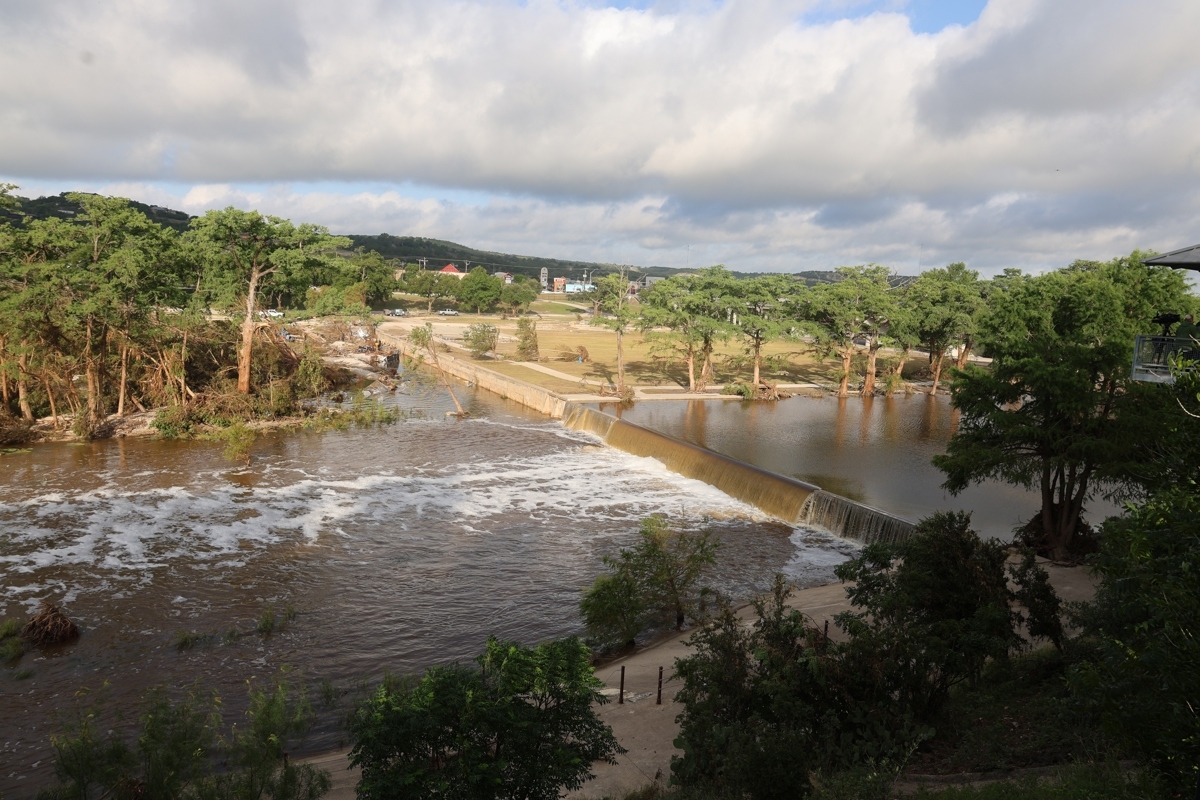
On the fringes of the heat dome, multiple rounds of storms are being generated that could cause flash flooding, hail and destructive winds.
By July 21, strong overnight thunderstorms are anticipated from southern Nebraska to Canada, with wind gusts that could reach 85 mph (136 km/h), according to AccuWeather.
Heavy rain is also expected in states such as Illinois, Indiana, Ohio, Kentucky and West Virginia.
Alex Sosnowski, another AccuWeather senior meteorologist, warned that many of these states have already been impacted by heavy rains recently and their soils are not in a position to absorb more water.
“We are seriously concerned about the risk of dangerous or potentially deadly flooding in southern Illinois and Indiana, central and eastern Kentucky, central and southern West Virginia, and southwest Virginia,” he said.
Floods in Texas: number of missing people drops drastically
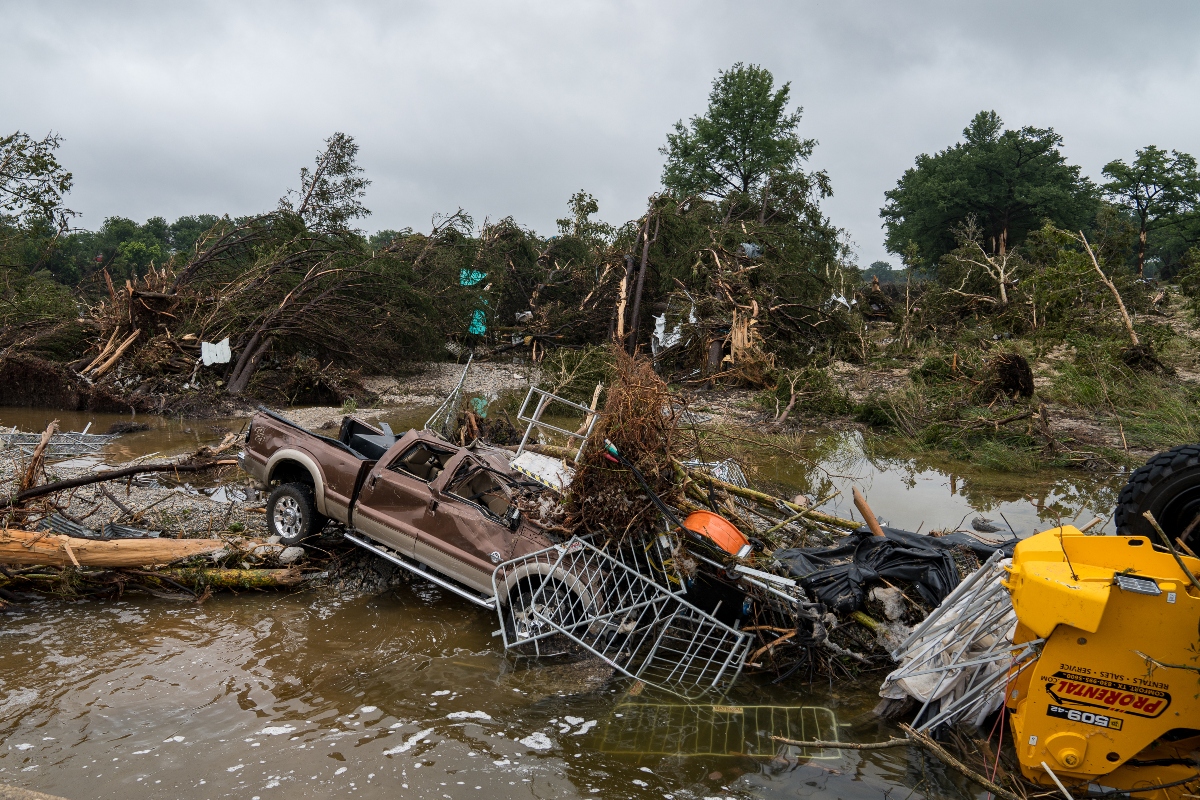
Meanwhile, in Texas, the number of people missing after catastrophic flooding over the July 4 weekend has been updated.
Kerr County authorities reported July 19 that only three people remain missing, a marked decrease from the 97 reported on July 15.
Texas Governor Greg Abbott reported that the total death toll statewide remains at 135, of which 116 died in Kerr County, one of the areas hardest hit by the floods.
Heavy rains overflowed rivers and flooded multiple rural and suburban communities, causing damage to homes, roads and basic services.
What should Hispanic families in the U.S. do?
For Latino families in the U.S., especially those who work outdoors, do not have air conditioning or live in flood-prone areas, these conditions represent a significant risk. Recommended:
Avoid outdoor activities between 11:00 a.m. and 5:00 p.m.
Hydrate constantly, even without feeling thirsty.
Be aware of local weather warnings.
Do not cross flooded streets or drive through areas under storm warnings.
Check the well-being of elderly people or small children, who are more vulnerable to extreme heat.
More than 50 million people are expected to face direct impacts from severe weather, especially in the central and eastern US
QueOnnda.com