




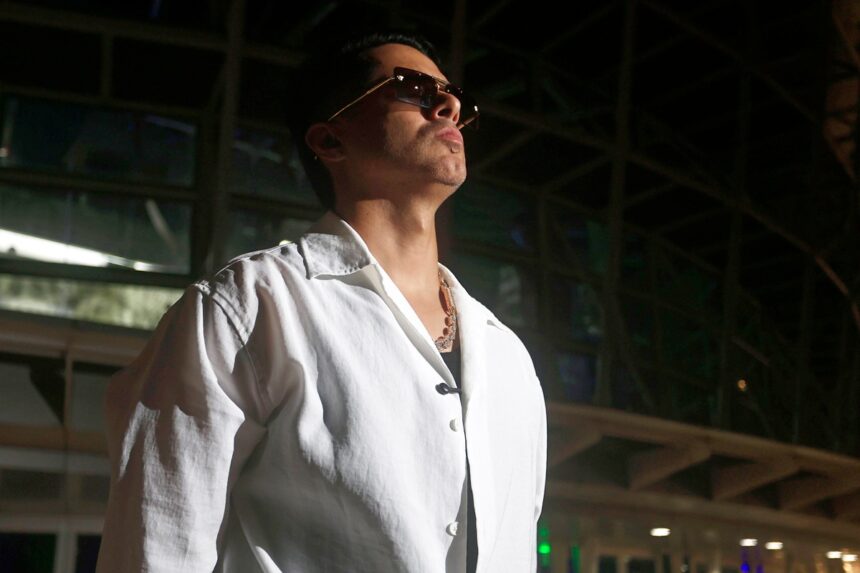
The union between reguetoneros and their collaborations are some of the keys that keep this musical genre as the most listened to in the world, despite the fact that the rhythm was marginalized in its beginnings due to its high sexual and violent content.
This was explained by veterans DJ Negro, Mario VI and Ken-Y after participating in the recent forum ‘Puerto Rico as a global engine of music and entertainment’, organized in San Juan by GFR Media and Agencia EFE.
“Collaborations are what has kept this genre united, relevant. Collaborations are not only among ourselves, but with other musical genres as well,” Mario VI, who in his time as a performer stood out as a composer and backing vocalist for Don Omar, another of the great stars of reggaeton, told EFE.
In his opinion, reggaeton “gave a lesson to other genres that did not do that”, such as pop, salsa and merengue, and that despite not making joints between their artists “they have collaborated with the urban genre”.
“We were never able to enjoy a Chayanne and Ricky Martin together; an Elvis Crespo and Manny Manuel (…) but we did enjoy a Daddy Yankee and Don Omar, although they had situations; an album by J Balvin and Benito (Bad Bunny), multicultural, two countries, two different and global artists”, detailed the author of songs such as ‘Repórtense’ and ‘Fiera’.
Mario VI, DJ Negro and Ken-Y are three luminaries of the urban movement who have seen the different stages of the genre since the late eighties, with the introduction of rap in Spanish by Vico C, to the present with the worldwide explosion of Bad Bunny.
“I feel super proud to be on that first step of the genre that dominates the world, because here in Puerto Rico there was no one before Vico, and how little by little people began to accept us,” reflected DJ Negro.
Mario VI, DJ Negro and Ken-Y and the evolution of the genre
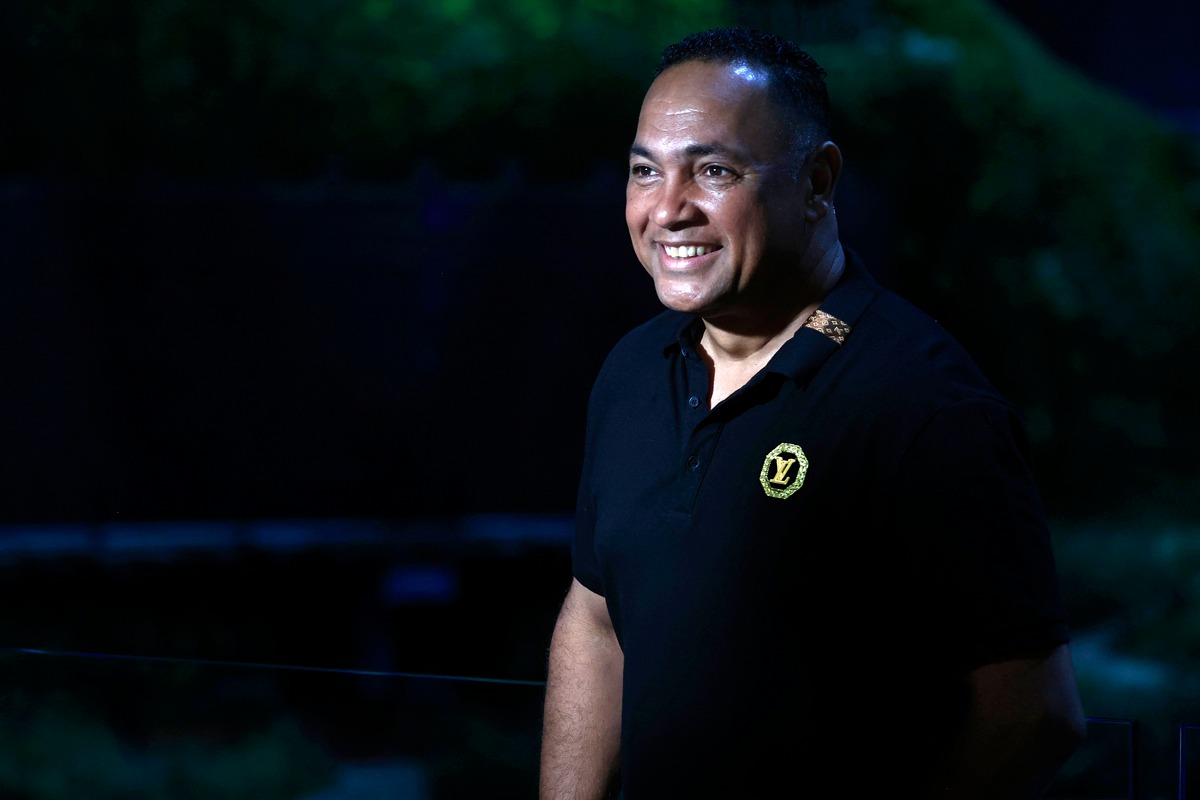
DJ Negro and Vico C were one of the first duos in Latin urban music with the musical production ‘La Recta Final’ (1989), a cassette of only four songs that achieved great success in the streets of the island.
Several years later, DJ Negro and other music producers such as DJ Playero were the precursors of the so-called ‘underground’, a fusion of rhythms with sexual and violent lyrics that captivated the youth, but also caused the government to censor the genre.
The Police fined people who were caught driving and listening to this music, so they withdrew the records from stores until they included on their covers that they contained explicit lyrics.
“A lot of controversy arose from the street to the Police for carrying a negative message, neighborhood stories, until it took a new turn of beats, songs, and I fell in love with the genre,” Ken-Y commented.
To defuse tensions, music producers, including DJ Negro, took the initiative to create songs with a less violent style. This led to artists from other genres collaborating with the urban performers, and reggaeton artists doing the same with each other.
With the entry of digital platforms, a crop of new artists such as Bad Bunny, Rauw Alejandro, Myke Towers, Anuel AA, J Balvin and Feid have achieved a worldwide musical explosion.
“What is happening is impressive,” said Mario VI, emphasizing how far the genre has come, as well as the worldwide influence of this music and Puerto Rican culture, reported Agencia EFE.
Find out more at ‘QueOnnda.com’.