






The Latino vote has established itself as one of the most decisive factors in U.S. politics.
With more than 36 million Hispanics eligible to vote in 2025, this community represents the largest ethnic minority in the nation’s electorate, and its influence is strongly felt in key states where elections are often defined by razor-thin margins.
Arizona and Nevada: the impact of the youth vote
In the western part of the country, Arizona and Nevada have become real political battlegrounds.
The growth of the Latino population, especially of young people born in the U.S., has changed the electoral landscape.
In Arizona, for example, one in four registered voters is of Hispanic origin.
These constituents have been key in recent elections, tipping the balance in very close races for the Senate and the White House.
In Nevada, something similar is happening: the Latino community, largely composed of service and hospitality workers, is increasingly organizing in unions and associations that promote political participation.
Texas and Florida: electoral giants
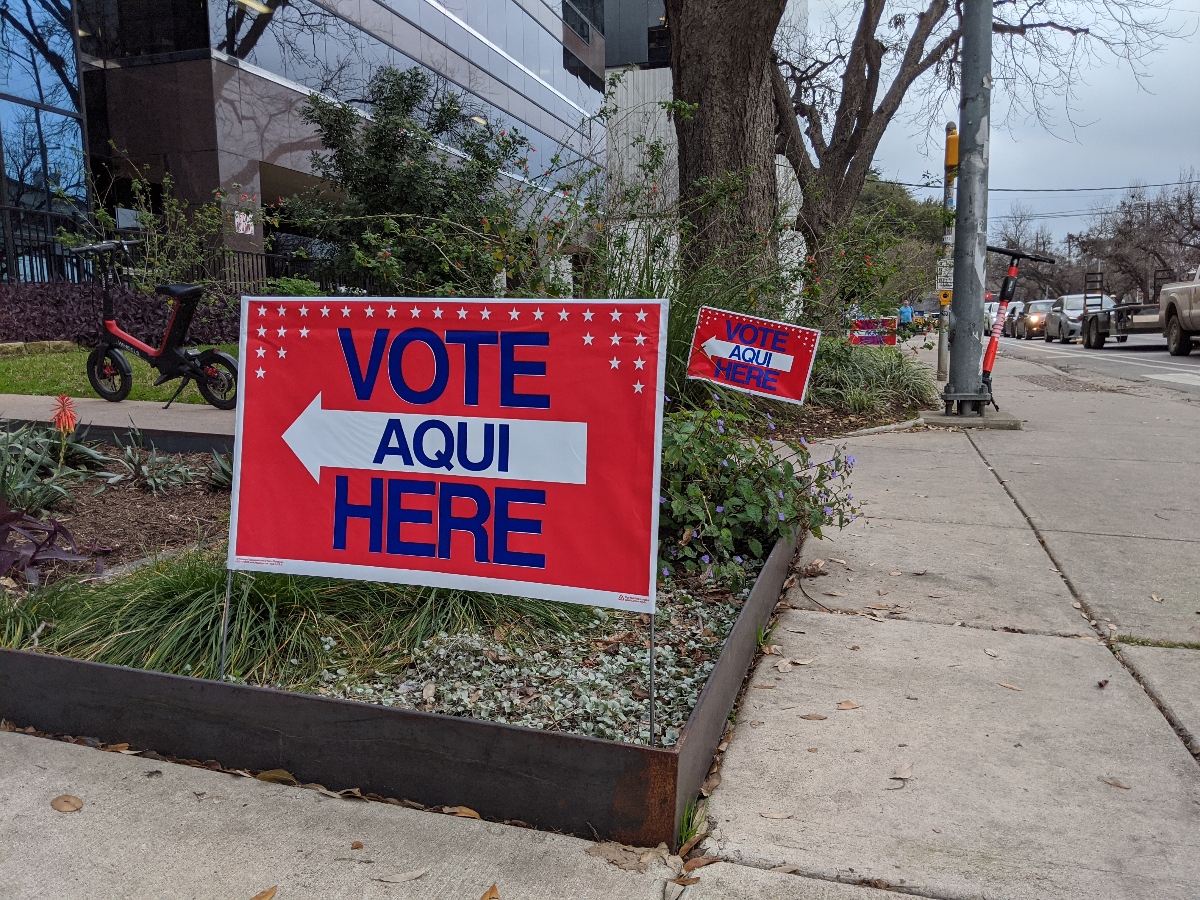
Texas and Florida are home to some of the largest Latino voting blocs in the country.
In Texas, more than 40% of the population is Hispanic, which means that the political direction of the state increasingly depends on this community.
Although it has traditionally been a Republican stronghold, the increase in Latino voter registration has generated forecasts of changes in the medium term.
In Florida, the Latino vote is diverse and complex.
While Cuban Americans in South Florida tend to lean toward conservative positions, Puerto Rican and Central American communities in the center of the state have shown more progressive preferences.
This diversity makes the state a true thermometer of Latino political power.
The power of Latino vote
Analysts agree that in states where the difference in votes between candidates is minimal, the mobilization of the Hispanic electorate can define who wins.
The case of the 2020 presidential election is illustrative: in several key states, Latino turnout was decisive for the final outcome.
Now, in the run-up to the 2026 elections, political parties have intensified their efforts to reach out to this community, offering messages in Spanish, visiting churches and collaborating with local organizations.
Despite their demographic weight, Latino voter turnout faces challenges: lower registration rates, language barriers and misinformation campaigns that seek to demobilize them.
However, community organizations across the country are working to overcome these barriers by promoting civic education and access to resources in Spanish.
More than 36 million Hispanics will be eligible to vote in 2025
QueOnnda.com