




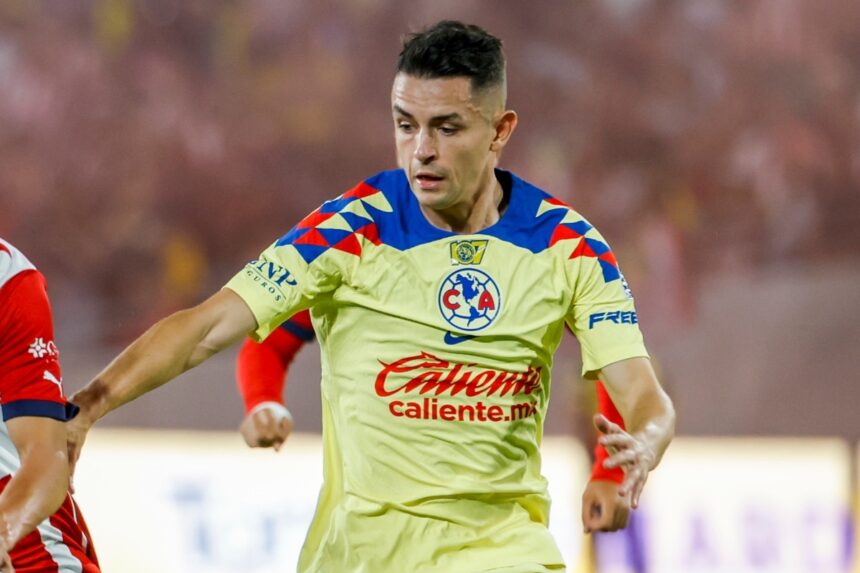
Club América’s Spanish midfielder Álvaro Fidalgo has taken a key step in his career: he has already obtained Mexican nationality through naturalization in December 2024.
While this formally makes him a Mexican national, he still cannot represent the Mexican National Soccer Team because he must meet the five-year uninterrupted residency requirement established by FIFA.
When could he make his debut with El Tri?
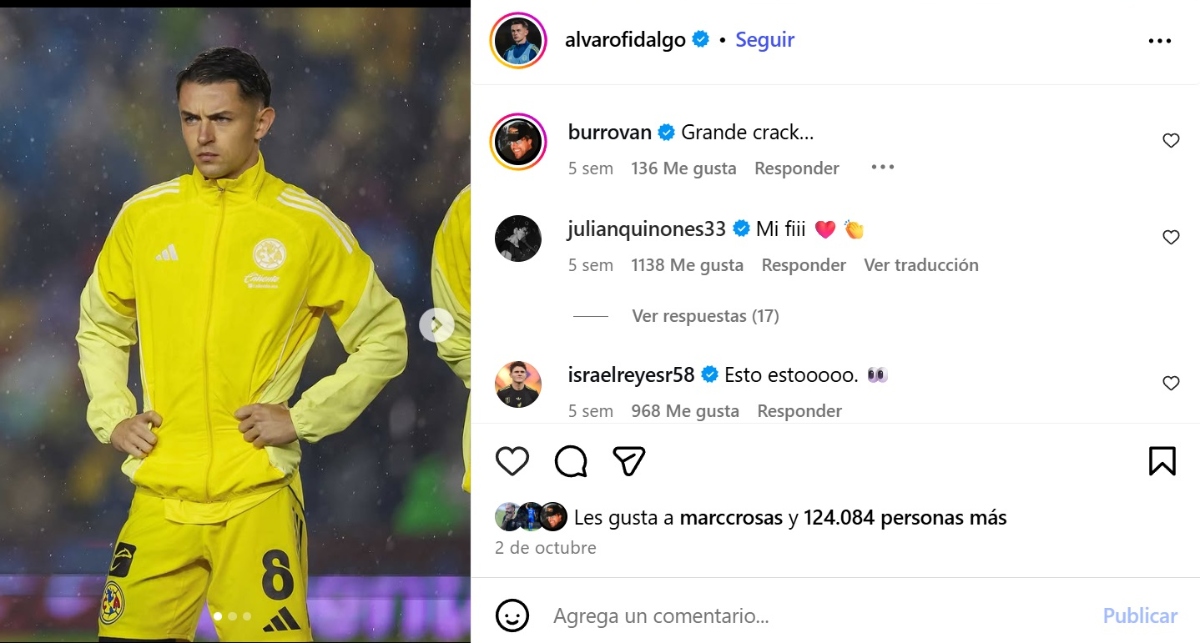
Álvaro Fidalgo arrived in Mexico in February 2021 to wear the Club América jersey.
This means that he would complete five years of residency in February or March 2026.
At the time he would become eligible to be called up by the Mexican National Team.
During the previous time, he has continued to excel in Liga MX, both in performance and leadership, which reinforces his potential call-up to El Tri.
What does your naturalization imply for Mexico?

He still cannot represent the Mexican National Soccer Team
QuéOnnda.com
His incorporation represents a strategic reinforcement for the Mexican National Team, especially in view of the 2026 World Cup, which will be partially hosted by Mexico, the United States and Canada.
With his vision and experience in Club América’s midfield, Álvaro Fidalgo could add depth to Javier Aguirre’s squad.
At the same time, it generates debate among U.S. Hispanic fans, many of whom follow both Liga MX and El Tri’s global tournament aspirations.
What challenges await you?
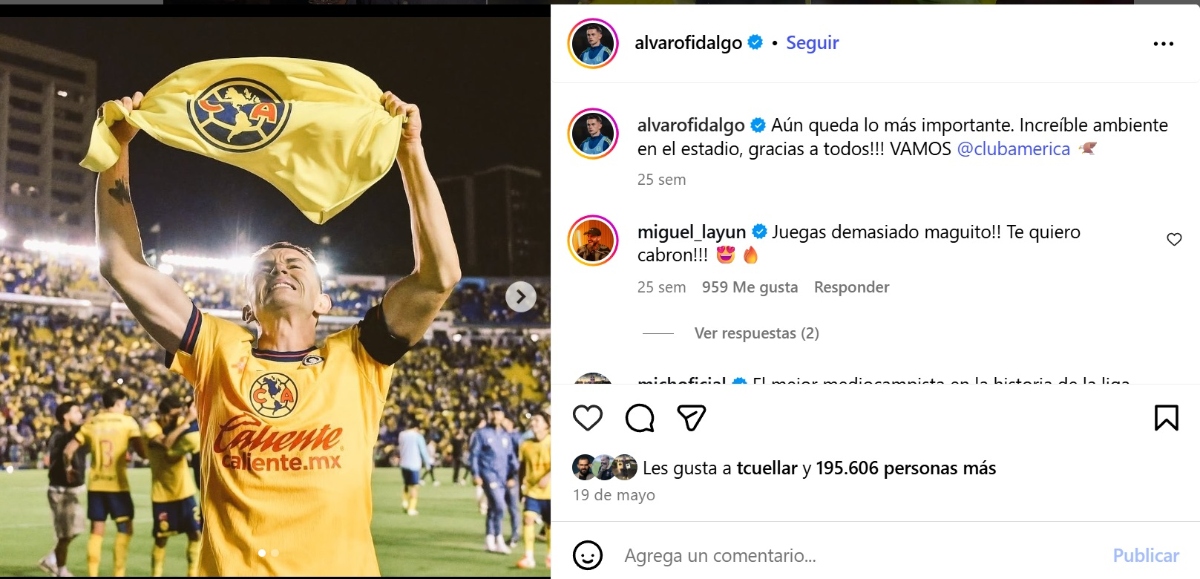
Although he already has the papers, Álvaro Fidalgo still faces the challenge of becoming a regular in the squad.
The coach will have to decide whether to include a naturalized player versus established national players.
In addition, the midfielder has expressed in the past that his dream was to play for the Spanish national soccer team -now he recognizes that this option is practically impossible- and that is why he accepts to represent Mexico.
For the U.S. Hispanic fan, these types of stories are relevant because they show how an international project is built from Latin American clubs and how cultural, professional and residency ties affect the chances of players and national teams in global soccer.
For more information, visit QuéOnnda.com.