





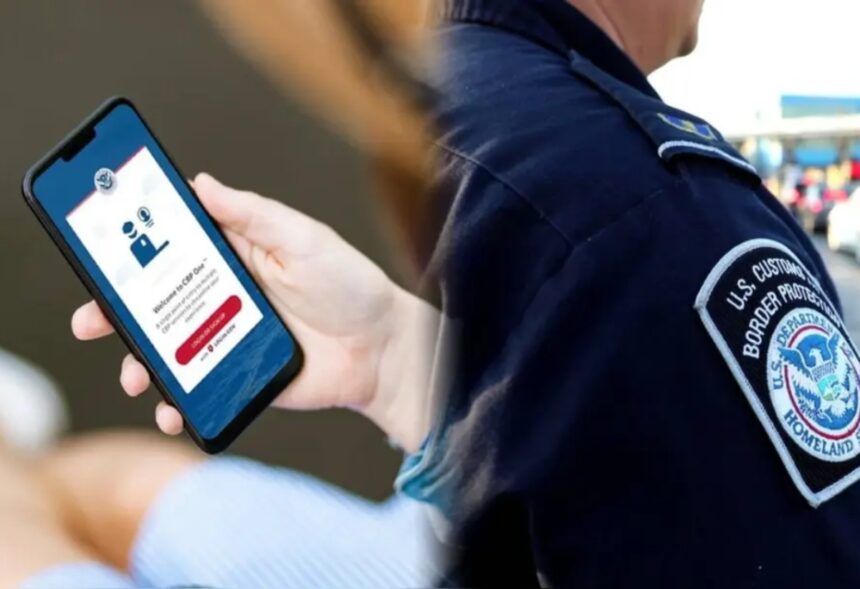
Attention! Beginning September 30, U.S. Customs and Border Protection (CBP) will implement several new fees and cost increases for various immigration procedures, travel authorizations and land crossings.
These modifications in which CBP will charge new fees were authorized by the budget reconciliation bill H.R. 1, passed in July of this year.
CBP: What changes and how much will it cost?
@evisa_advisors Did you already know about this new American Visa fee 🇺🇸? Learn more about this increase in the following video 😉 Share it to who you think needs it ☝️ #fyp #americanvisa #news #important #foryoupage #trend ♬ original sound – Evisa
Among the major adjustments in which CBP will charge new fees are:
ESTA (Electronic System for Travel Authorization): the fee increases from US$21 to US$40 for those traveling under the Visa Waiver Program for tourism or business stays.
EVUS (Electronic Visa Update System): until now free of charge, from the date mentioned above you will have to pay US$30 if you are a Chinese B-1/B-2 visa holder who needs to update data before traveling.
Form I-94 for land crossings: Those crossing at land border crossing points will need the Arrival/Departure Record Form. The current cost of US$6 increases to US$30 (including the new fee imposed by H.R. 1 of US$24).
To whom do the charges apply?
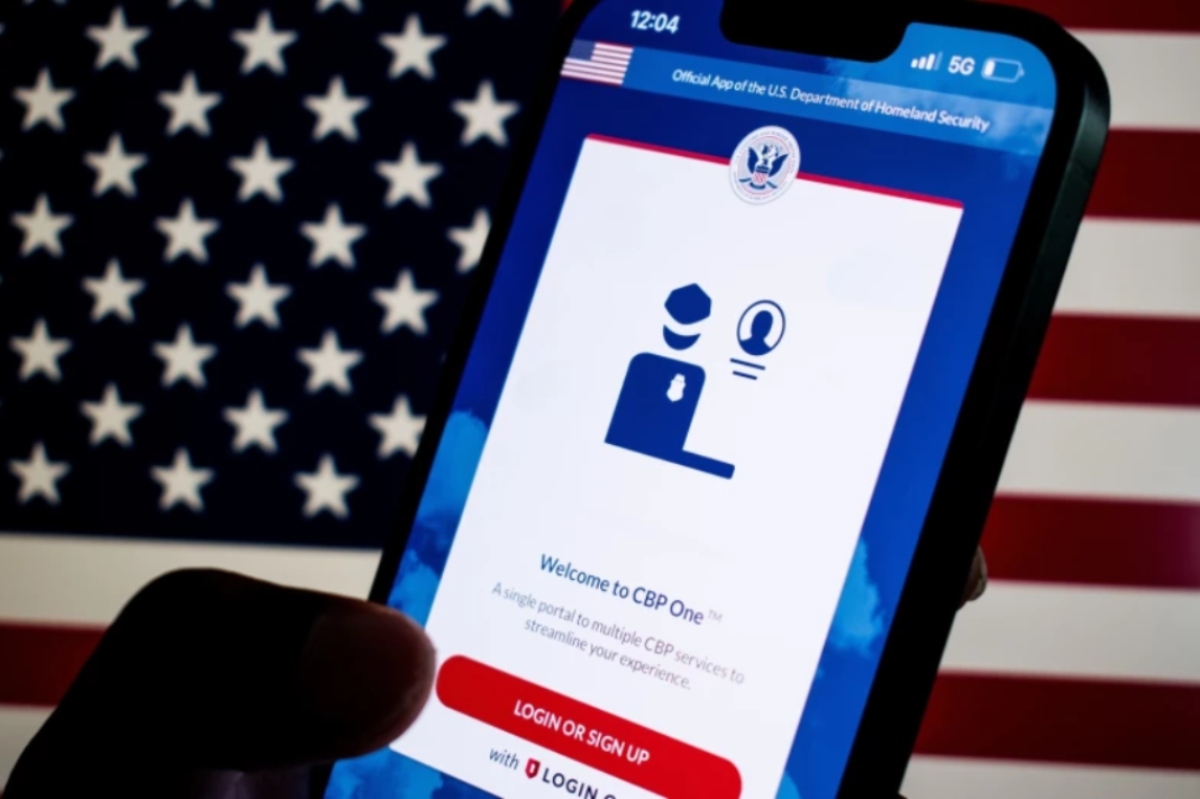
These fees primarily impact non-U.S. citizen aliens crossing land borders, those applying for electronic travel authorizations, or those using the EVUS visa update system.
They do not apply to U.S. citizens, but do apply to tourists, temporary visitors, visa waiver travelers, and those who need an I-94 when entering by land.
Reason for changes
The increases are in response to a regulatory update established by H.R. 1, which empowers the Department of Homeland Security and CBP to impose new fees to fund immigration operations, border control and electronic clearance processing.
They also reflect a general adjustment for inflation and a trend toward higher revenues to cover rising operating costs.
These adjustments represent a significant increase for frequent travelers and land border crossers.
The imposition of higher fees on previously low-cost or free paperwork may especially impact those who frequently cross for tourism or family visits, and will generate an additional cost when planning travel to or within the U.S.
This article was originally published in Nueva News.