






Chile is much more than a spicy ingredient in Latin cuisine: it is part of the cultural identity of millions of families in Mexico, Central America, the Caribbean and Latino communities in the United States. From homemade salsas to traditional dishes such as tacos, pupusas, tamales or moles, chile occupies a central place in the daily diet. But beyond flavor, what is the real health impact of chili?
Several scientific studies have analyzed the effects of chili peppers, especially the capsaicinoid called capsaicin, the compound responsible for the itching sensation. Their results show benefits, but also warn about certain precautions, especially for those living with digestive conditions.
Chile in the Latin American diet and in health

One of the main contributions of chili is its high nutritional content.
Many types of fresh chili peppers are rich in vitamin C, even in higher amounts than some citrus fruits, which contributes to the strengthening of the immune system.
They also provide vitamin A, antioxidants and anti-inflammatory compounds.
Capsaicin has been associated with improved metabolism.
Research suggests that it can help increase energy expenditure and promote calorie burning.
This explains why chili is often present in traditional diets without necessarily being associated with high rates of obesity when consumed in balanced contexts.
In addition, some observational studies have linked regular consumption of chili to a lower risk of cardiovascular disease, as it may help improve blood circulation and reduce certain cholesterol levels.
It is not a medical treatment, but it is a component that, within a balanced diet, can provide benefits.
Does chile hurt the stomach?

There is a belief that chili “burns” the stomach or causes gastritis.
Medical evidence indicates that, in healthy people, moderate consumption of chili does not cause gastric damage.
However, in those suffering from acid reflux, gastritis, ulcers or irritable bowel syndrome, chili can aggravate symptoms and cause discomfort such as burning, abdominal pain or heartburn.
For this reason, specialists recommend listening to the body.
If chili consumption causes discomfort, it is best to reduce or avoid it, regardless of the potential benefits.
Responsible and balanced consumption
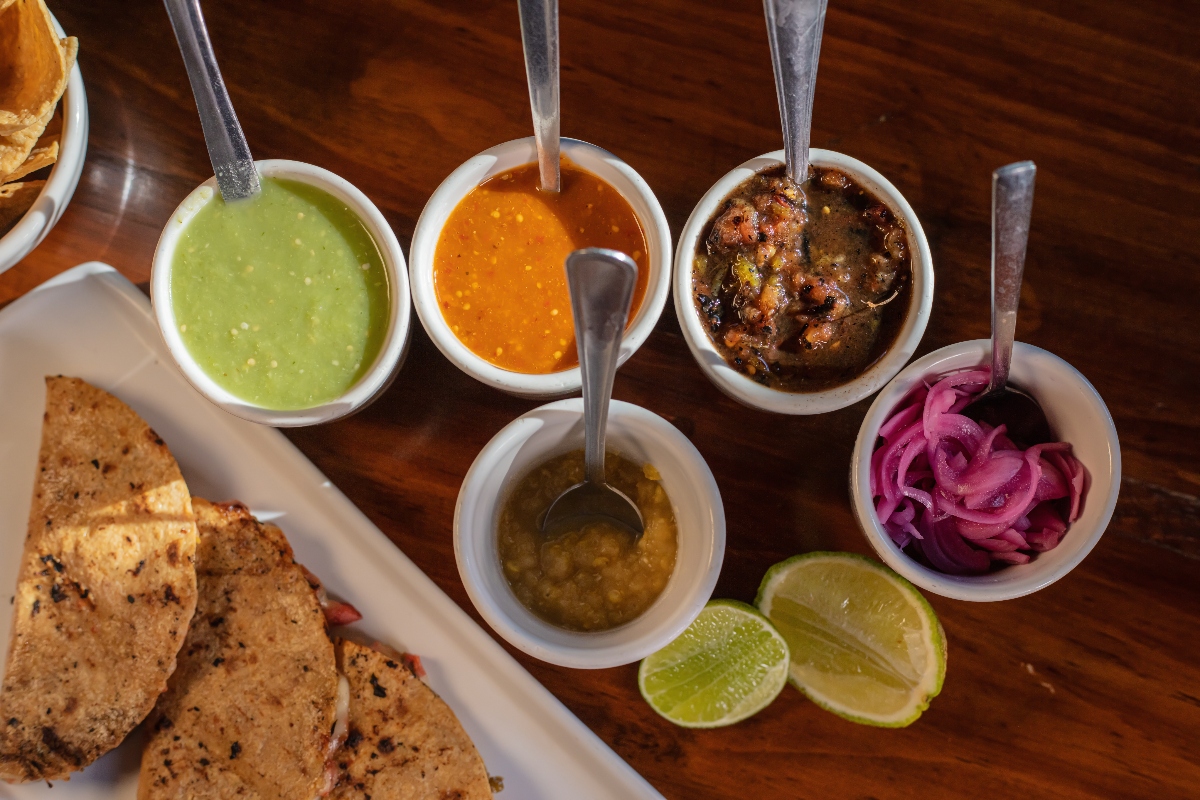
For many Latinos living in the United States, chile is not only an ingredient, but an emotional link to their roots.
Incorporating it into the diet can help maintain cultural traditions and culinary habits closer to home cooking than to ultra-processed foods.
However, nutrition experts advise balancing its consumption with a diet rich in vegetables, fruits, whole grains and healthy proteins.
In addition, they recommend avoiding combining chili with excess fat, salt or added sugars, which are common in some industrialized products.
Chili is neither a miracle food nor an enemy of health.
Consumed in moderation, it can provide flavor, nutrients and metabolic benefits.
The key is the amount, the preparation and the health condition of each person.
For the Latino community in the United States, maintaining a traditional diet adapted to a healthy lifestyle can be a powerful tool to take care of their health without giving up their cultural identity.
Chili, used with balance, can continue to be an ally in the daily table.
Filed under: Chile in the Latin diet