






On New Year’s Eve, many Hispanic families in the United States take care not only of the company with which they welcome 2026, but also of what they place on the table. Throughout Latin America, certain foods are associated, according to popular beliefs, with prosperity, good fortune and abundance.
Although there are no guarantees, these traditions continue because they represent a symbolic way of starting the year with intention, sharing with the family and keeping the original customs alive. Here are some options for dinner on New Year Day.
Lentils: symbol of money and stability
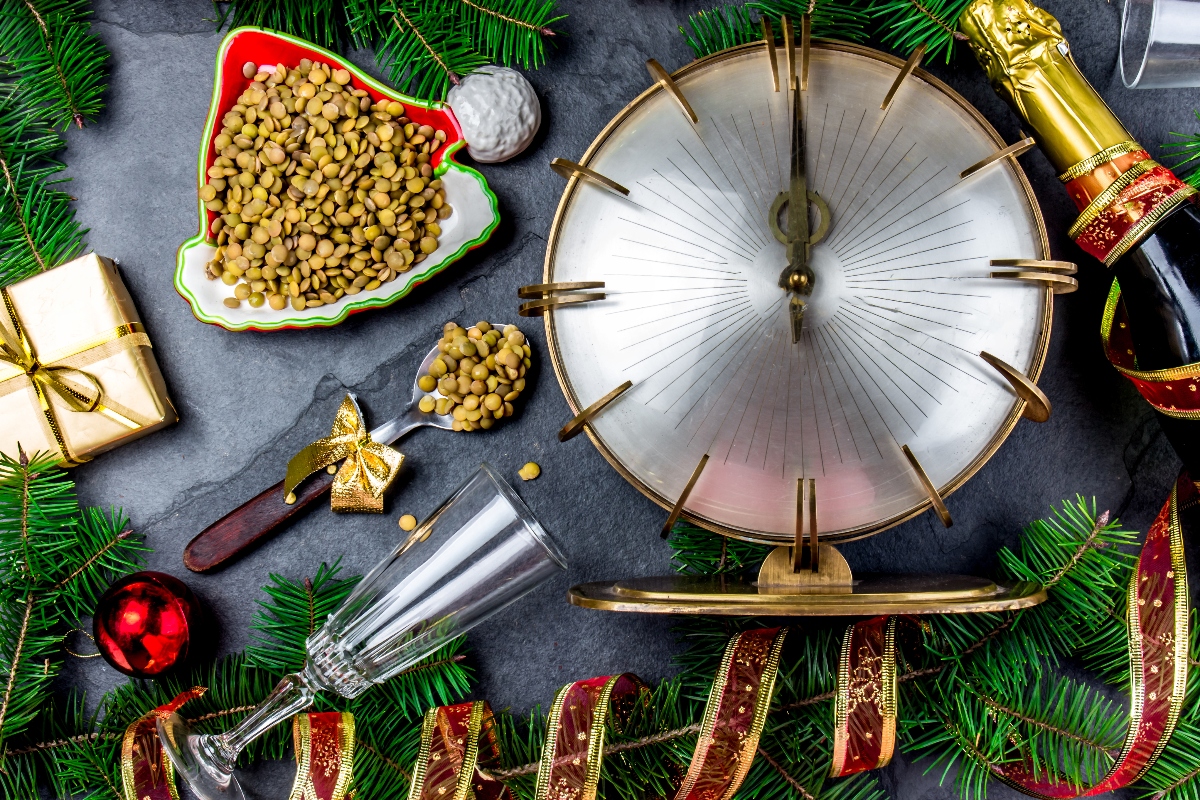
Lentils are one of the most common foods for New Year’s dinner.
In many countries they are associated with economic prosperity because of their coin-like shape.
Some people eat them just after midnight, while others include them as a main dish or side dish.
In U.S. Hispanic households, this tradition is maintained as a gesture of hope for a year of financial stability and steady work.
Grapes: month-by-month wishes

Eating 12 grapes at the stroke of midnight is a widespread custom.
Each grape represents a month of the year and is accompanied by a wish.
In addition to its symbolism, this ritual is usually a moment of family togetherness that marks the closing of the old year and the beginning of the new one with optimism.
Pig: abundance and progress

In various Latin cultures, the pig is associated with abundance and progress, as it traditionally represents well-being and assured food.
Dishes such as roast pork, pernil or similar preparations are usually part of the New Year’s dinner, especially in large family celebrations.
Rice: sustenance and continuity
Rice symbolizes daily sustenance and continuity.
For many families, including it in the evening meal represents the wish that there will be no lack of food or stability during the year.
Its presence is common because it is a basic ingredient in Latin cuisine and easily adaptable to different regional traditions.
Bread and dough: sharing and prospering
Bread and other dough-based foods represent family unity and prosperity.
Sharing bread symbolizes that the household will remain united and with sufficient resources.
In some homes it is accompanied by traditional sweets or homemade desserts prepared especially for the occasion.
Fish: moving forward and leaving behind
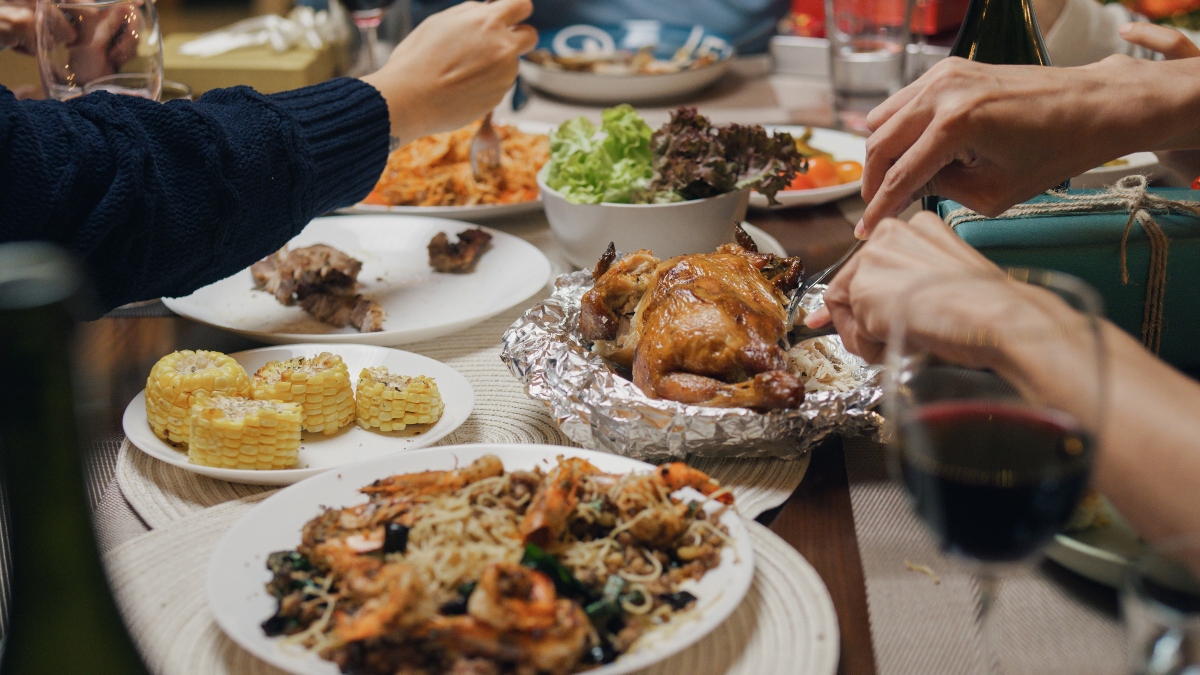
In some regions, fish is associated with moving forward and leaving the negative behind, as it swims forward.
Although it is not as common as other foods, it is still present on certain New Year’s tables.
For many Hispanic families in the United States, these foods not only represent good luck, but memory, identity and belonging.
They are a way of passing on traditions to children and grandchildren, even far from the country of origin.
Welcoming the New Year 2026 with these dishes does not guarantee abundance, but it does create a moment of reflection, gratitude and hope.
En un mundo acelerado, sentarse a la mesa con intención sigue siendo uno de los rituales más significativos para comenzar un nuevo año con buen ánimo.
Filed under: Dinner on New Year Day