




Menopause is a natural stage in every woman’s life, but for many Latinas it is still a topic surrounded by doubts, silence and misinformation. Far from being a disease, menopause marks the end of menstrual cycles and usually occurs between the ages of 45 and 55, although changes may begin several years earlier.
For Latinas living in the United States, understanding this process is key to taking care of their physical, emotional and mental health. Here you have all about menopause that you need to kwnow.
What is menopause and when does it begin?
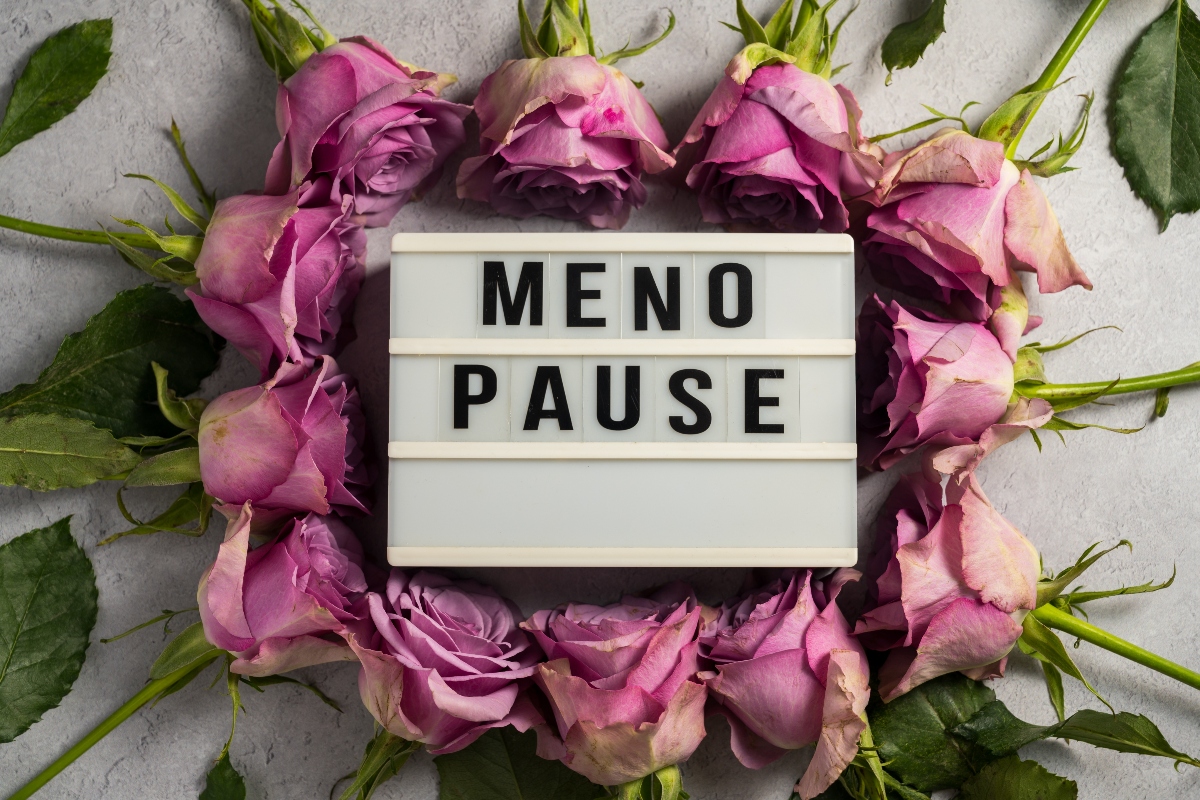
Medically, menopause is confirmed when a woman goes 12 consecutive months without menstruation.
Before reaching that point, many go through perimenopause, a transitional phase that can begin as early as age 40 or even earlier.
During this period, estrogen and progesterone levels begin to fluctuate, causing changes in the body.
It is important to know that every woman experiences menopause differently.
Some have mild symptoms, while others experience more intense changes that can affect their quality of life.
Most common symptoms

Among the most frequent symptoms are hot flashes, night sweats, sleep changes, fatigue, irritability, anxiety and mood alterations.
Vaginal dryness, decreased sexual desire, weight gain, and skin and hair changes may also occur.
In Latina women, some studies indicate that hot flashes may be more intense or prolonged, making it even more important to seek reliable information and proper medical attention.
Buzzy is also associated with changes in bone and cardiovascular health.
The decrease in estrogen can increase the risk of osteoporosis and heart disease, two conditions that significantly affect women after the age of 50.
Therefore, specialists recommend regular medical check-ups, monitoring of blood pressure, cholesterol levels and bone density, as well as adopting healthy habits from this stage.
Food, exercise and wellness
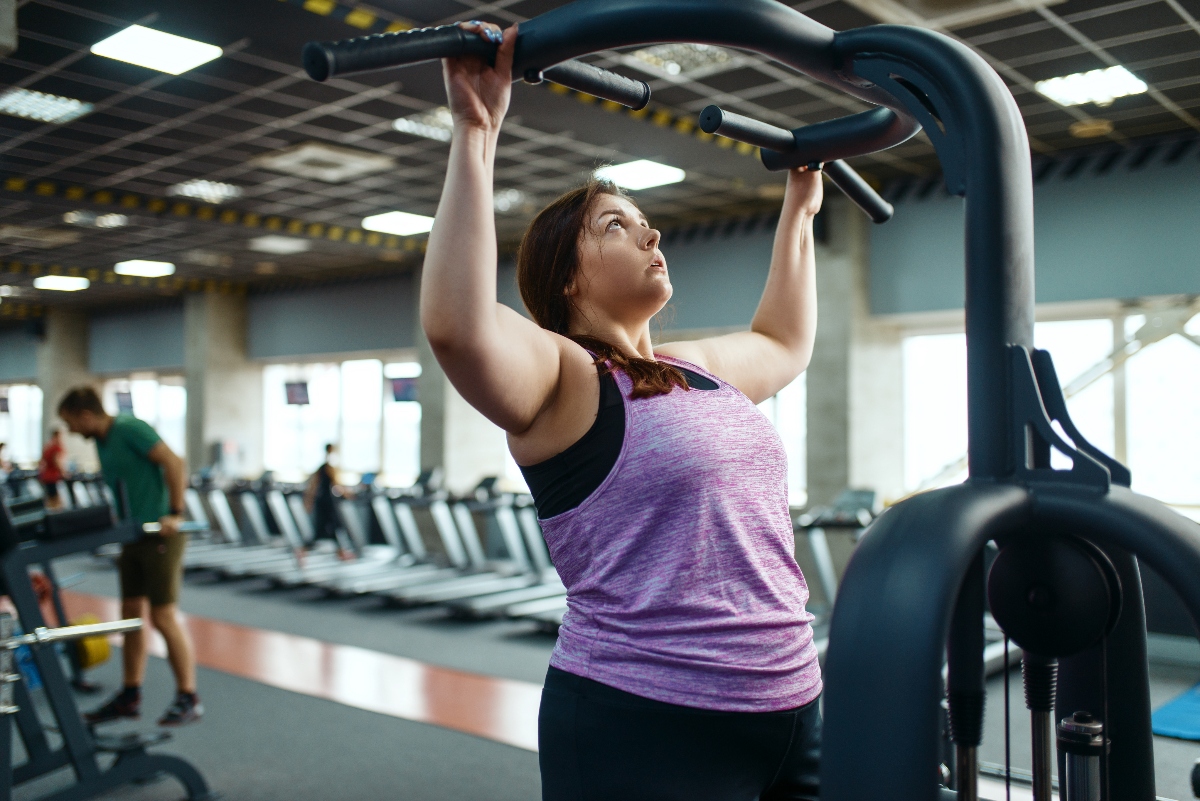
A balanced diet is essential during menopause.
Consuming calcium, vitamin D, protein, fruits, vegetables and whole grains helps protect bones and the heart.
It is also recommended to limit the consumption of sugars, ultra-processed foods and alcohol.
Regular exercise – such as walking, yoga, strength training or swimming – not only helps maintain a healthy weight, but also improves mood, sleep quality and bone health.
Emotional well-being is just as important.
Talking openly about menopause, seeking support from family, friends or community groups and, if necessary, seeing a mental health professional can make a big difference.
Treatment and medical accompaniment
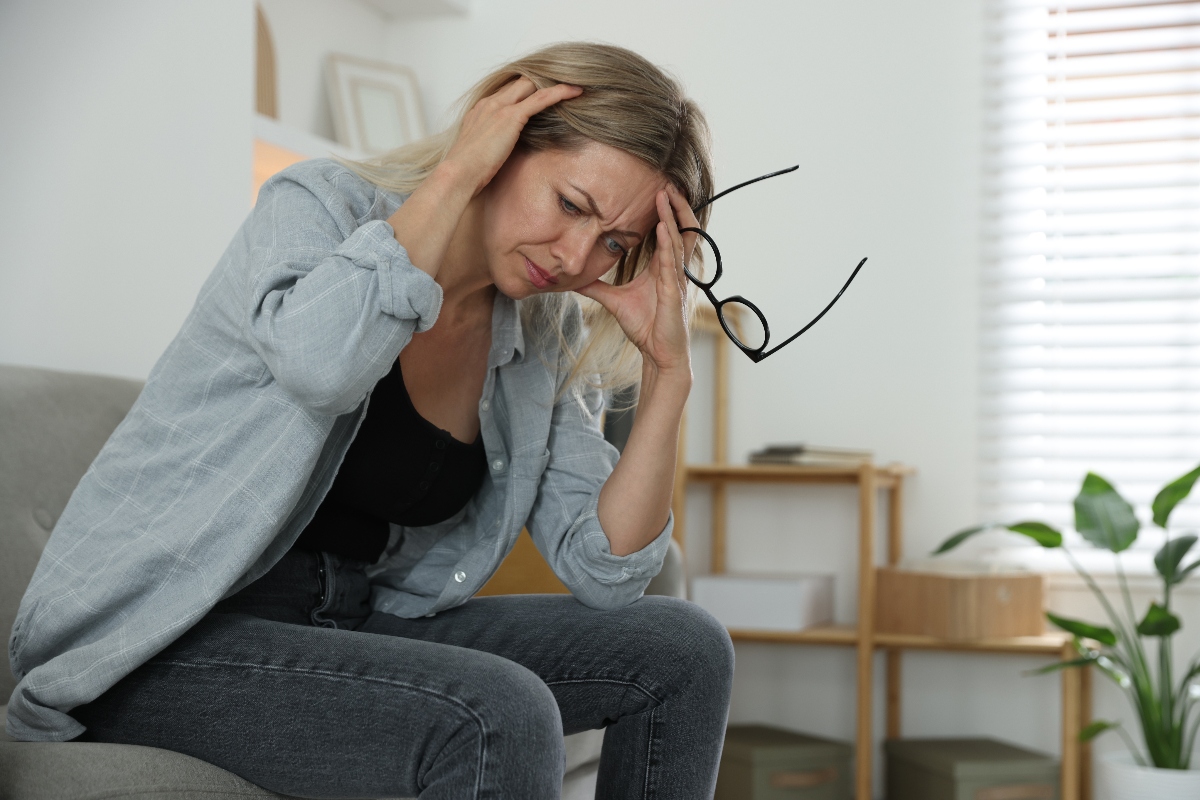
There are different options for managing symptoms, from lifestyle changes to medical treatments such as hormone therapy, which should be evaluated on an individual basis with a healthcare professional.
Not all women are candidates, which is why it is essential not to self-medicate.
For Latinas in the U.S., it is important to seek out health care providers who speak Spanish or understand the cultural context, which facilitates clear communication and informed decisions.
To talk about menopause is to talk about health, self-care and well-being.
Getting informed allows Latinas over 40 to take control of their bodies and live this stage with greater security and quality of life.
Menopause is not the end of anything: it is the beginning of a new stage that can be lived with fullness, knowledge and support.
Filed under: All about menopause