






On Tuesday, December 16, FIFA published new information for fans of the teams that have qualified for the 2026 World Cup in Mexico, Canada and the United States, informing that they will be able to purchase tickets for a “more affordable” price of $60 for the 104 matches of the tournament, including the final.
This idea of creating a special ticket category, called “basic grandstand”, comes after FIFA received 20 million applications in the random selection process alone, which is still active until January 13 on FIFA’s website, according to FIFA.
This is how the most economical tickets will be allocated
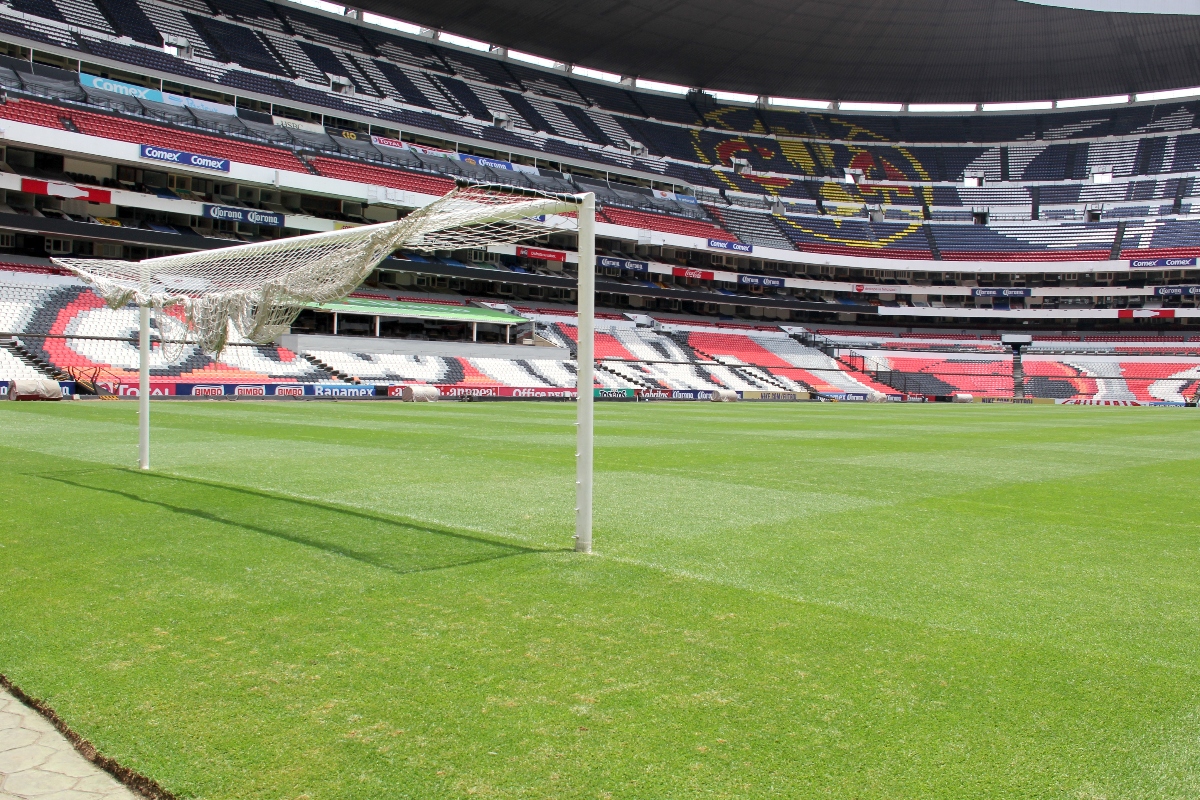
Basic tier tickets will be reserved for the fans of the qualified teams.
The participating member federations (FMP) will be in charge of their selection and distribution.
Each FMP will define its allocation criteria and application process.
They should ensure that they are attributed to the most loyal fans of their selection.
In total, 50% of the FMP allocation will correspond to the most economical categories.
That is, affordable tier tickets (40%) and basic tier tickets (10%).
The rest of the seats will be divided between standard and preferred seating.
In addition, when making refunds in cases where applications are not approved, the administrative fee will not be charged to fans who apply for tickets through the FMP and whose national team does not advance beyond the group stage.
With information from EFE
Controversy over high 2026 World Cup ticket prices
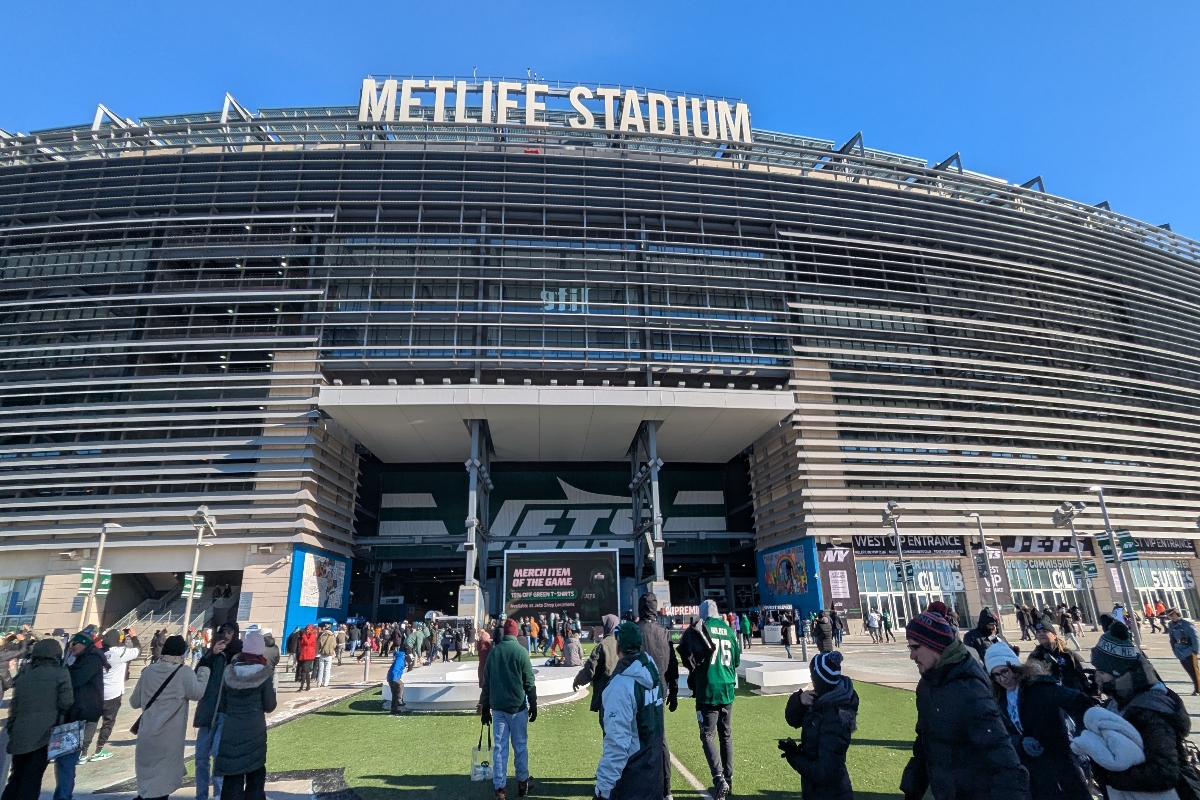
FIFA faced a major scandal after it was revealed that tickets for the 2026 World Cup would be priced much higher than expected by fans.
In social networks, especially among followers of Latin American teams, there was criticism that the costs exclude families and traditional fans.
The controversy grew as prices were compared to previous editions and the high cost of living in Mexico, the United States and Canada.
Faced with pressure, FIFA announced more economical categories, such as the “basic tier”, in an attempt to calm discontent and defend its revenue model.
For more information, visit QuéOnnda.com.