




Attending a soccer match has always been linked to the identity of stadiums. Iconic names, many of them associated with major brands, are part of the fan experience. However, that tradition will change during the 2026 FIFA World Cup, when most stadiums will temporarily drop their commercial names by a direct decision of world soccer’s governing body.
FIFA will implement a ban on naming rights during the 2026 World Cup, which will force several venues to operate under neutral denominations. This will directly impact stadiums in the United States, Mexico and Canada, the three host countries for the 2026 tournament.
What are naming rights and why will they disappear?
Naming rights are commercial agreements whereby a company pays to associate its name with a stadium.
In return, the brand gets constant visibility and exclusivity, while the property owner receives relevant income.
This model is common in modern sport and especially strong in the United States.
During the 2026 World Cup, FIFA will temporarily suspend these agreements.
The objective is to prevent brands that are not official sponsors of the tournament from benefiting from the enormous media exposure of the event.
Protecting the exclusivity of its global business partners.
Which stadiums will be renamed for the 2026 World Cup?
The 2026 World Cup will be played in 16 stadiums in the United States, Mexico and Canada.
Most should adopt generic names, usually linked to their city or region, eliminating any commercial reference.
In Mexico, the changes will be clear:
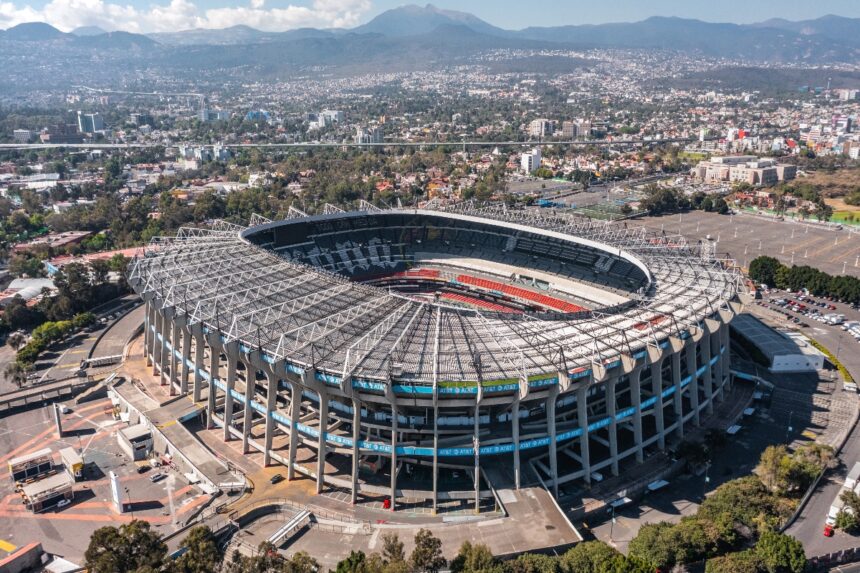
Estadio Banorte (Azteca) will be identified solely by its location.
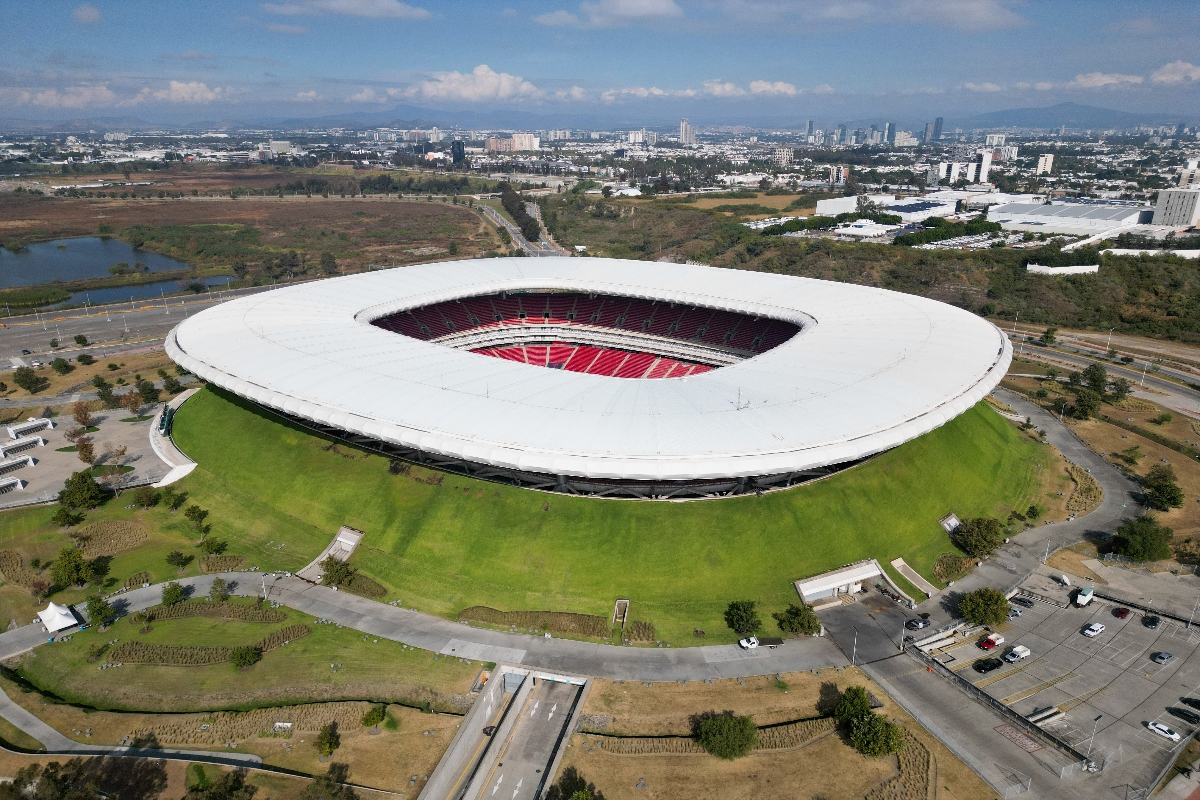
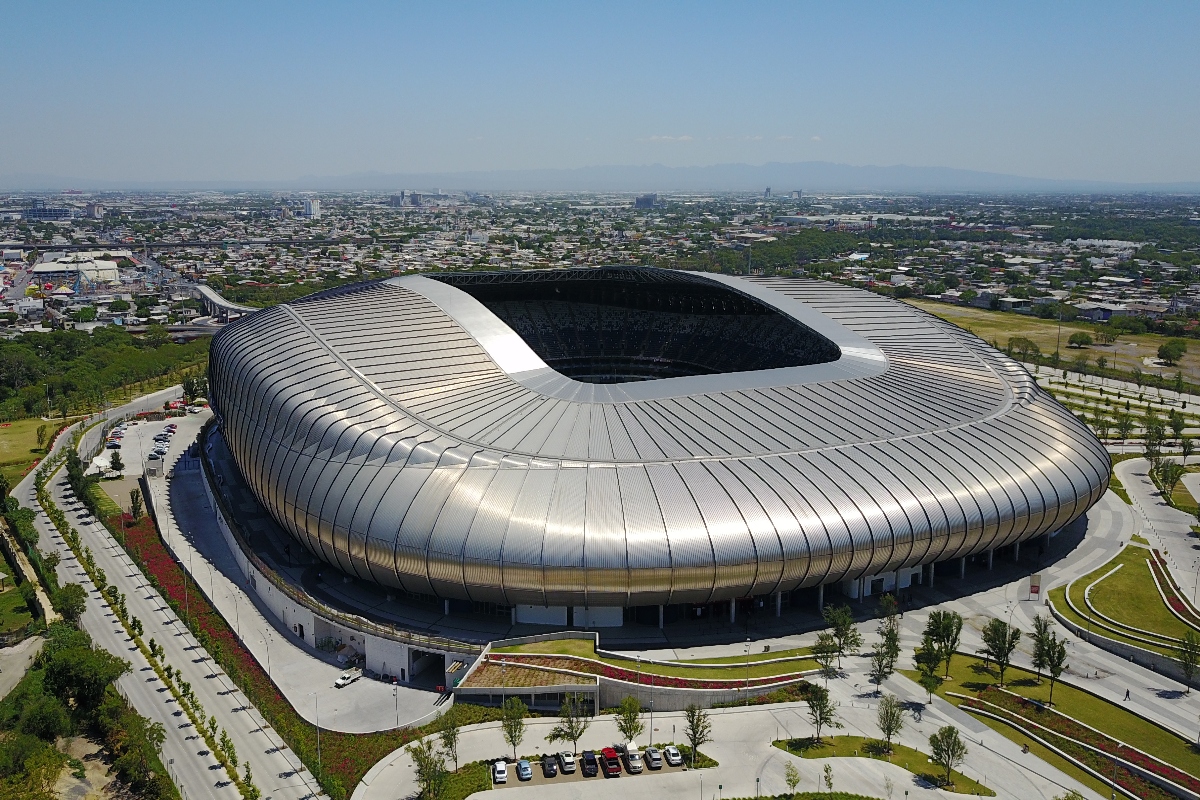
BBVA Stadium and Akron Stadium will also temporarily lose their commercial names during the tournament.
In the United States, where naming rights are a central part of the sports business, stadiums will also have to comply with FIFA regulations and operate under neutral names during the World Cup.
In Canada, one of the stadiums will retain its traditional name, while another will be renamed exclusively for the World Cup.
Naming rights are commercial agreements
QuéOnnda.com
What will happen after the tournament?
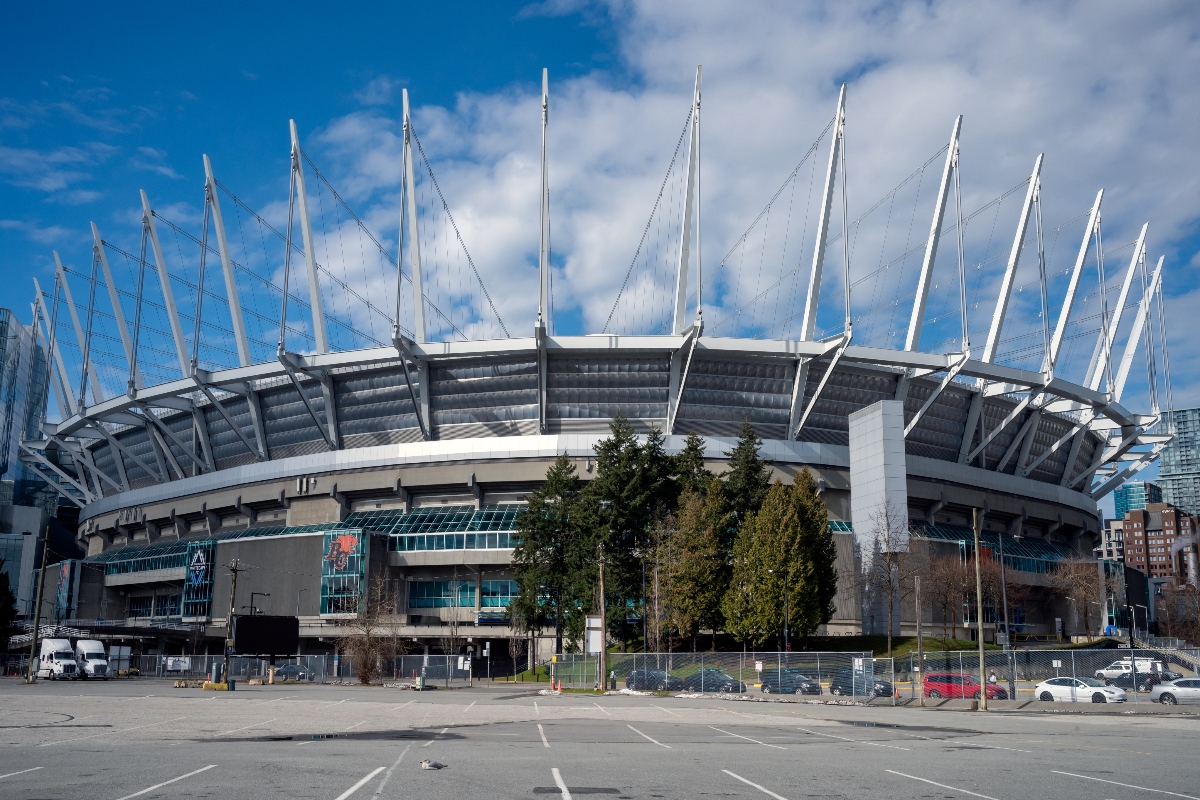
Once the 2026 World Cup is over, the stadiums will regain their usual commercial names and the naming rights agreements will be back in full force and effect.
The change is strictly temporary and limited to the tournament period.
For Hispanic fans living in the U.S., this measure may generate initial confusion.
But it also reinforces the idea that the 2026 World Cup will be a unique event, with its own rules that prioritize commercial neutrality and the global image of soccer.
For more information, visit QuéOnnda.com.