






Properly identifying immigration and other federal agency agents is critical to protecting yourself and exercising your rights during any encounter with these authorities. ICE (Immigration and Customs Enforcement) and CBP (Customs and Border Protection) are two of the main agencies in charge of enforcing immigration laws in the United States, and each has its own characteristics for identification.
Clothing and badges
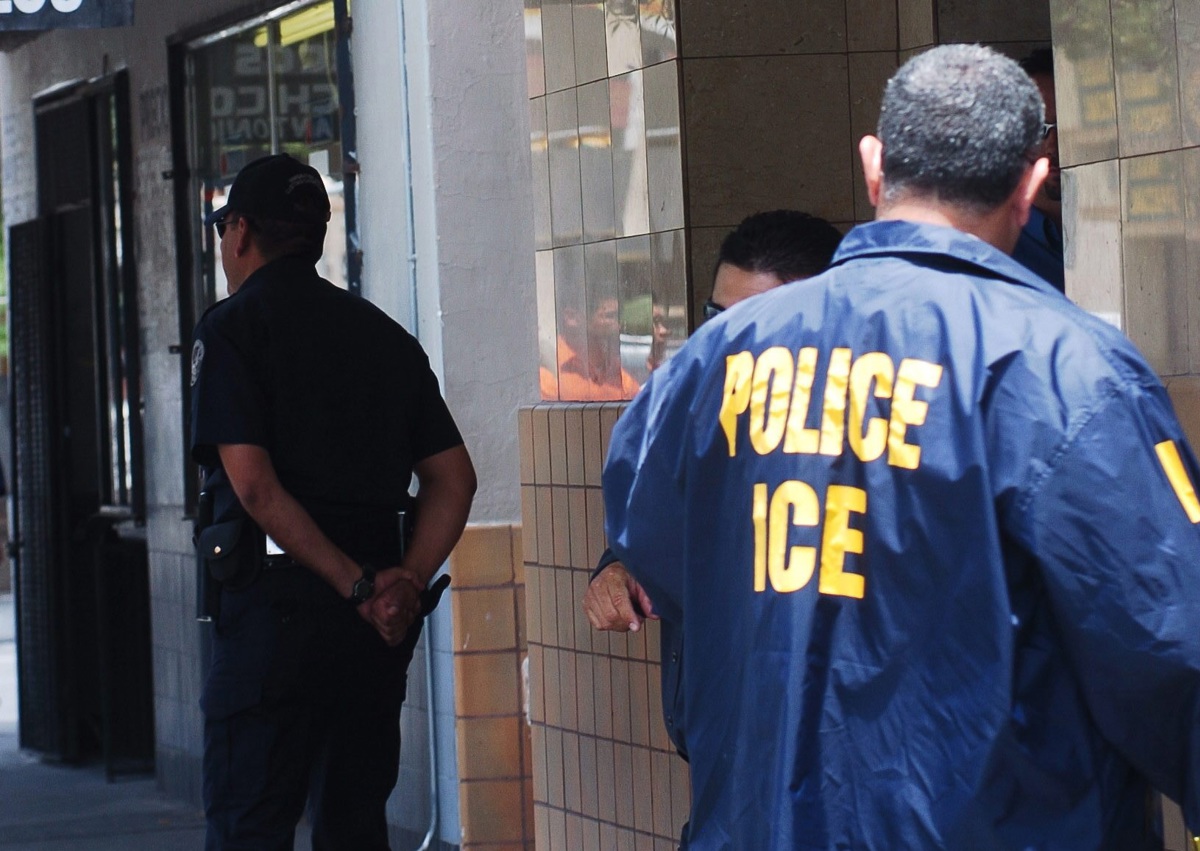
First, ICE agents, or CBP agents, may present themselves in different ways depending on the operation.
They usually wear bulletproof vests with the visible acronym of their subdivision, such as “ERO” (Enforcement and Removal Office), or simply “ICE”.
These vests are usually dark and have official logos printed on them.
However, another common way in which they operate is in civilian clothes, without uniform or visible identification.
Even so, they are required to identify themselves by displaying official badges during an arrest or direct interaction.
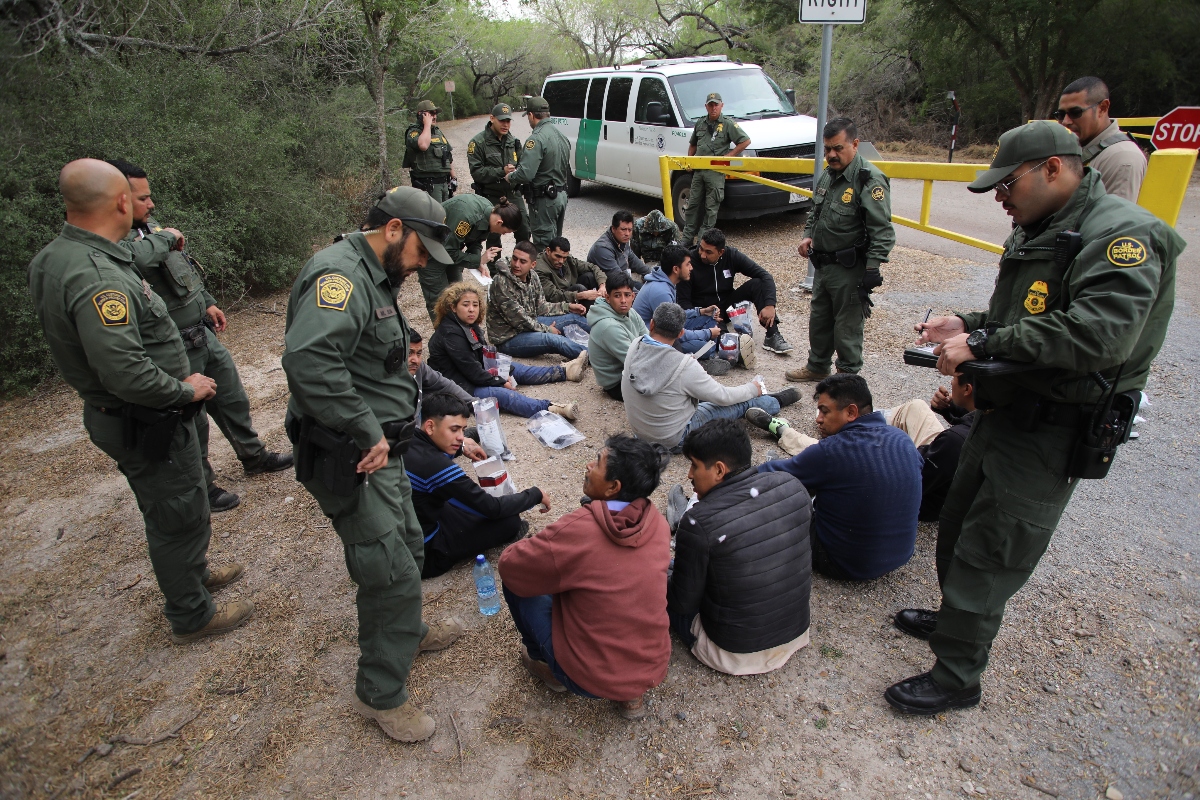
On the other hand, CBP and Border Patrol agents usually wear dark uniforms, usually navy blue or olive green, with light emblems showing the initials “CBP” or “Border Patrol”.
They generally wear vests and caps with these legends.
In addition, they are mobilized in vehicles without clear police markings, such as white vans without lights or sirens, which is different from typical local police cars.
How to recognize ICE, CBP? Formal identification and warrants
Another important recommendation is to always ask for the badge and documents showing the identity of the agents, whether ICE or CBP.
This is especially necessary before letting them into homes.
Agents must show a warrant signed by a judge in order to legally enter a residence.
If they do not present this order or only claim to have verbal permission, the person has the right not to open the door or cooperate.
How to differentiate other federal agencies?
In addition to ICE and CBP, there are other entities.
For example, Homeland Security Investigations (HSI) and the Special Response Office (EROs).
Their agents wear similar uniforms, but have different acronyms.
Often, the equipment includes weapons, radios and handcuffs.
Operations may be conducted in uniform or in plain clothes.
They must always be formally identified.
Filed under: How to recognize ICE or CBP
This article was originally published in Nueva News.