




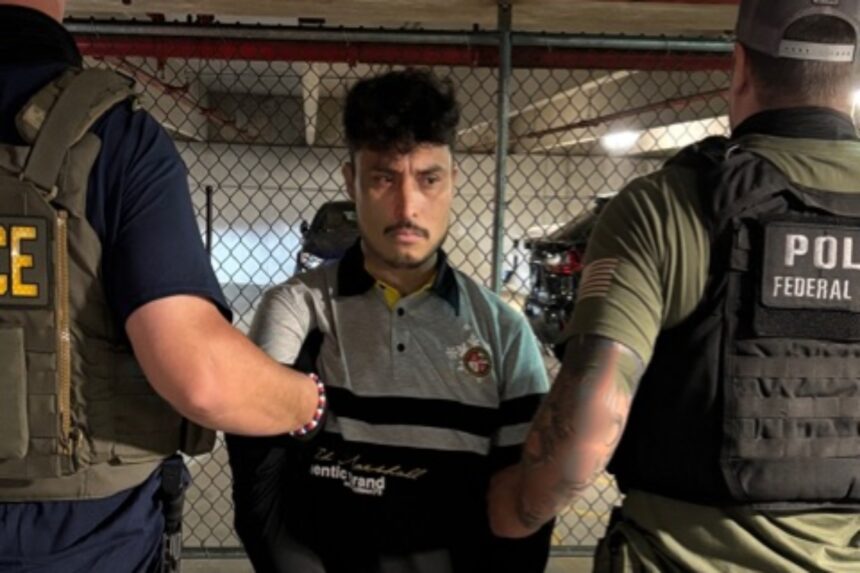
Between August 12 and August 15, 2025, Immigration and Customs Enforcement (ICE) executed a four-day operation in Connecticut, resulting in the apprehension of 65 undocumented immigrants. The action, called Operation Broken Trust, was coordinated by the Hartford field office and involved the collaboration of the FBI, the DEA, the U.S. Marshals Service and the Bureau of Alcohol, Tobacco, Firearms and Explosives (ATF).
The main objective was to detain individuals with serious criminal records, members of transnational gangs and wanted on international warrants.
29 felony arrests in the U.S.
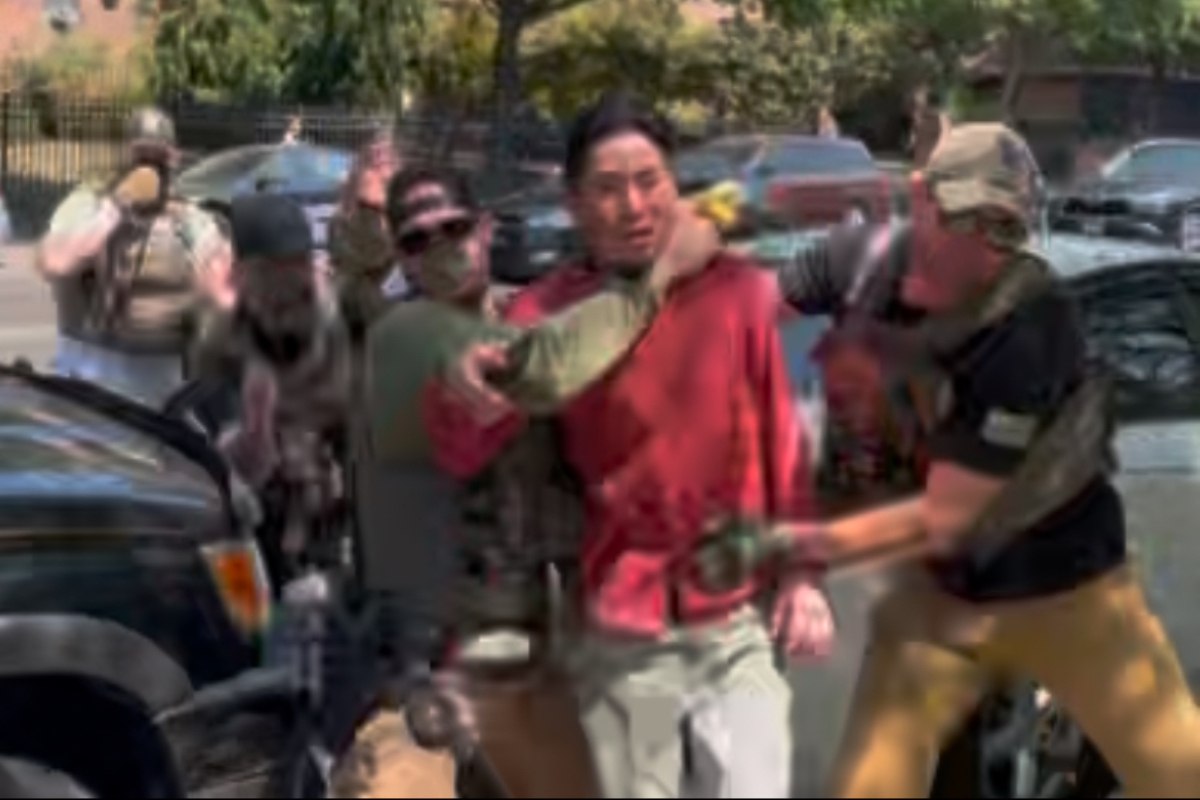
Of those arrested by ICE, at least 29 had U.S. criminal records.
This includes kidnapping, assaults, sexual offenses, drug trafficking, weapons violations and domestic violence.
Others had criminal records in their home countries or were members of international gangs such as MS-13.
Notable cases include:
Efren Mauricio Guallpa-Shurshanay (Ecuador): convicted of sexual assault in 2008.
Ruben Antonio Fuentes (El Salvador): with multiple convictions for drugs, violence against minors and possession of prohibited weapons.
Alexander Alberto Guerra-Ávila (Venezuela): arrested for harassment, domestic violence and injury to a minor.
Jaime Timoteo González-Morán (Guatemala): with convictions for sexual assault, threats and driving under the influence of alcohol and drugs.
Miguel Coello-Farfán (Peru): charged with sexual assault against a minor, although some charges were reduced on appeal.
All detainees remain in ICE custody pending deportation proceedings or resolution of their cases.
Criticism of “sanctuary” laws
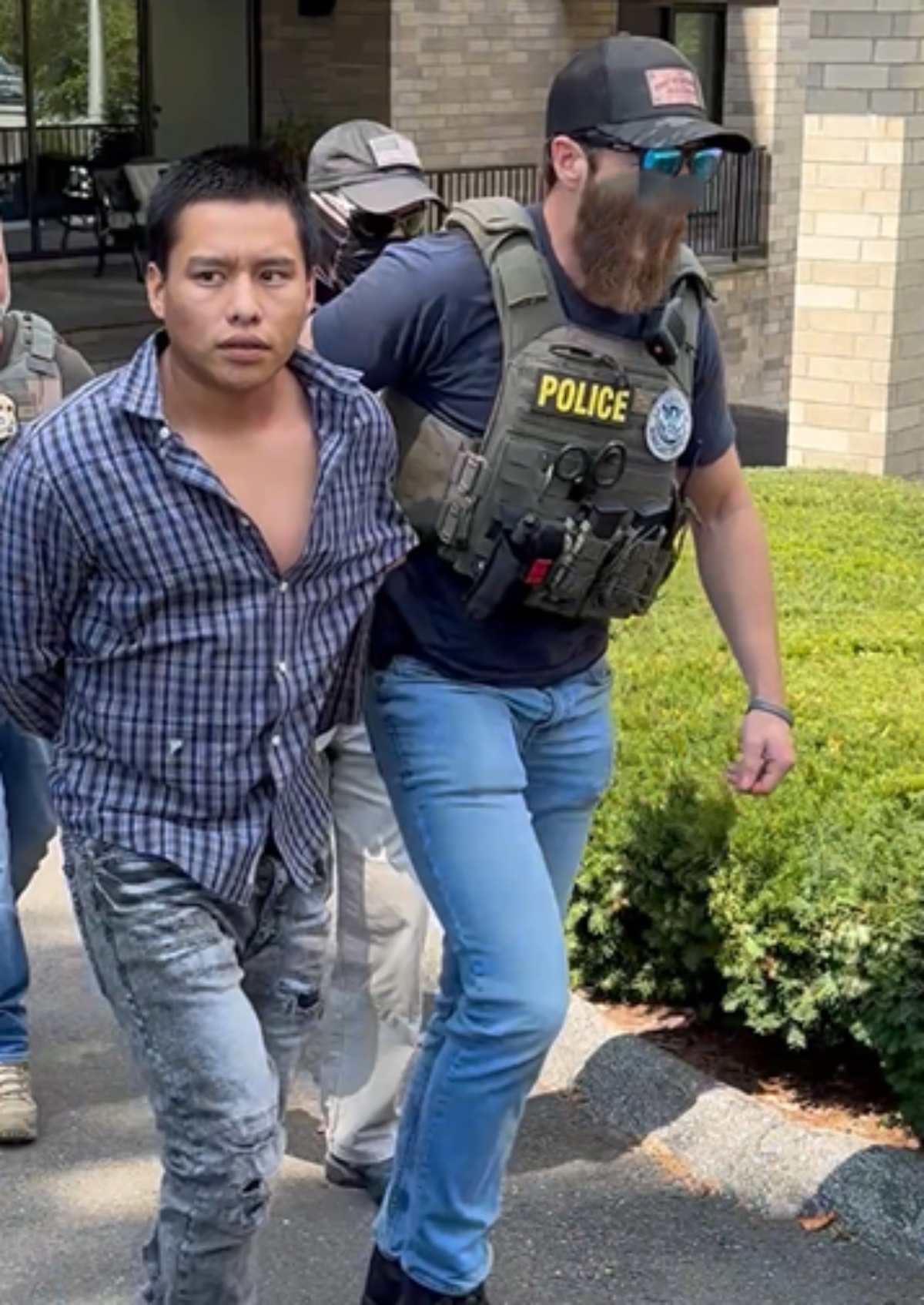
The raid reignited controversy over Connecticut’s Trust Act, a law that limits local police cooperation with ICE.
In May 2025, this regulation was extended, which further restricts state authorities from handing over detained immigrants, except in exceptional cases.
The main objective was to detain individuals with serious criminal history
QuéOnnda.com
ICE Boston Acting Director Patricia H. Hyde criticized these laws, stating that they “only put communities at risk by releasing criminal offenders.”
According to Hyde, the operation demonstrates that federal cooperation is key to removing dangerous individuals from the streets.
Impact on the immigrant community
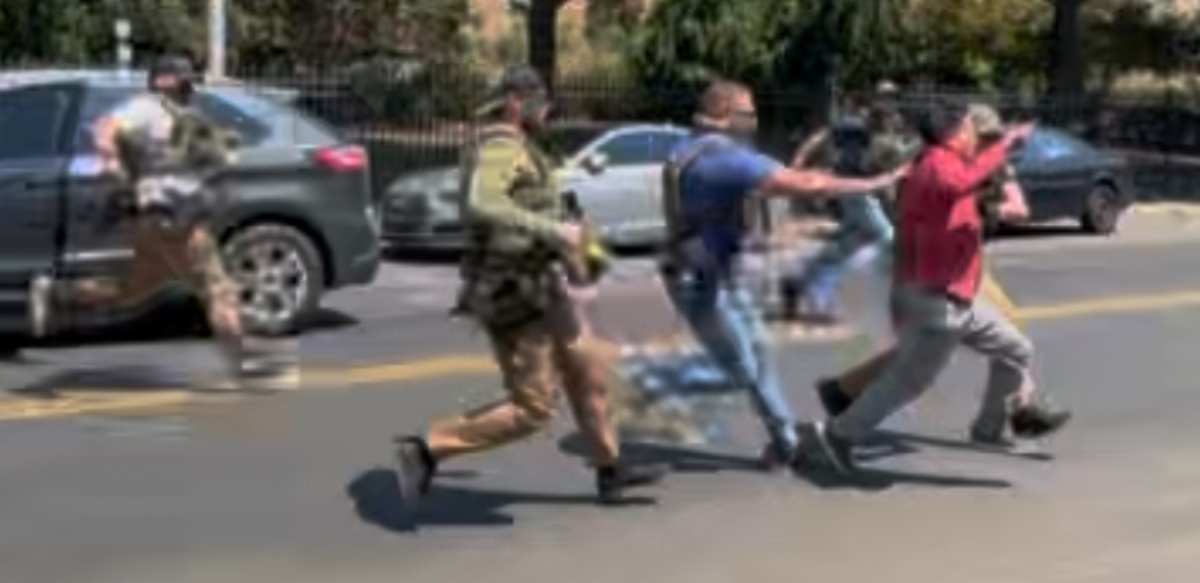
While federal authorities celebrated the operation as a security success, community and immigrant leaders denounced these actions as generating fear, distrust and division in the state’s Latino and immigrant communities.
Local organizations recalled that many detained immigrants also had families, jobs and years of residence in Connecticut.
They criticized the fact that the raids were even carried out in areas close to courthouses and communities, which, according to them, undermines trust in institutions.
For more information, visit QuéOnnda.com.