





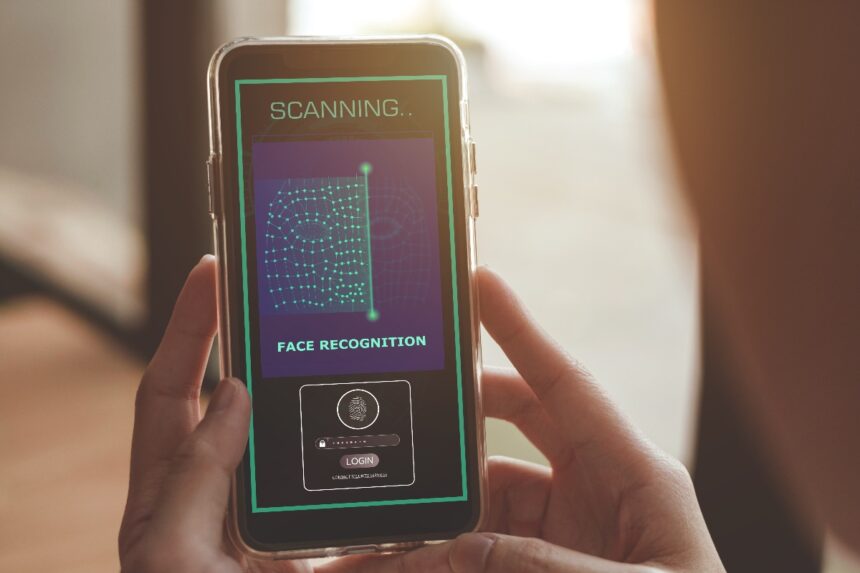
Immigration and Customs Enforcement (ICE) has begun using an advanced facial recognition and artificial intelligence tool in 2025 to identify migrants in the United States, even in operations carried out in public spaces. It is a mobile application called Mobile Fortify, designed to scan faces and fingerprints without physical contact, directly from a smartphone.
This system, according to reports by specialized media such as 404 Media and Wired, is already being used in field operations, especially in immigration raids and random searches. The tool allows the biometric data captured to be compared in seconds with databases of the Department of Homeland Security (DHS), which has raised alarms among civil rights advocates for its discretionary use.
How does Mobile Fortify work?
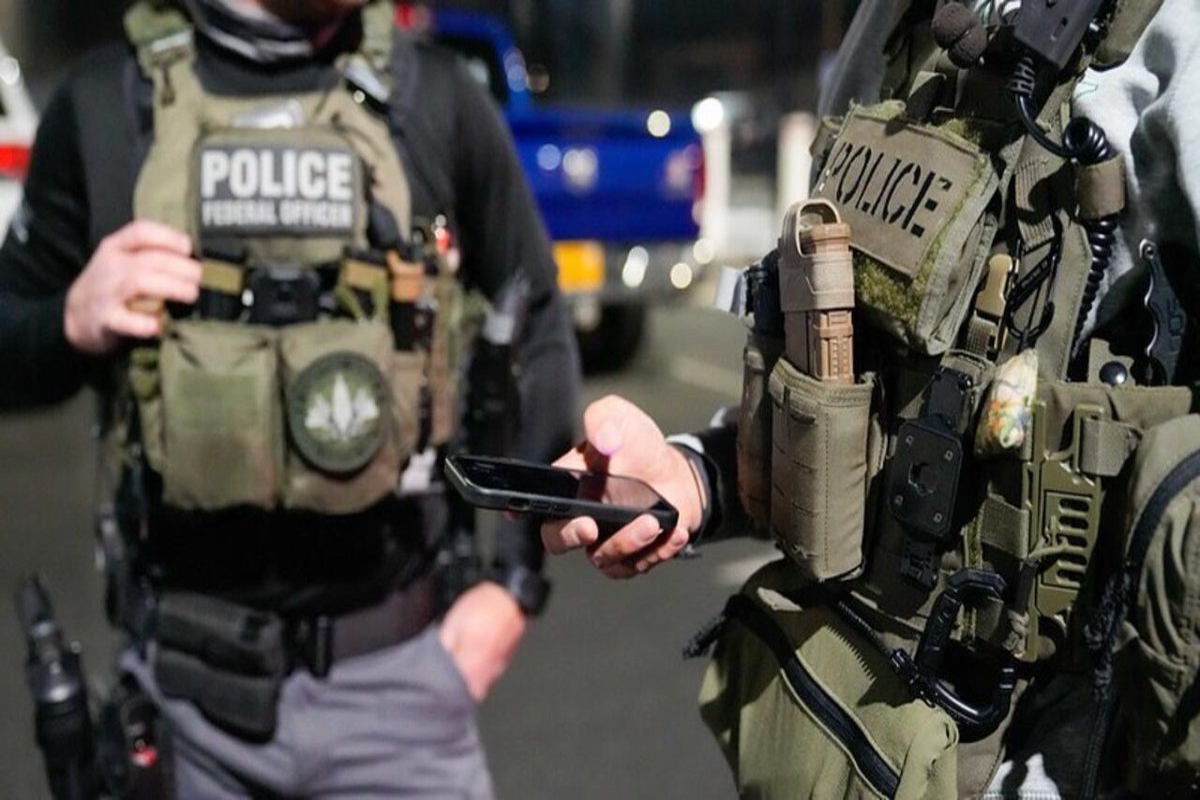
Mobile Fortify does not require additional devices or fixed stations:
A cell phone provided by ICE is sufficient.
Through its camera, it takes facial images or scans fingerprints without contact, and compares them in real time with databases such as:
Automated Biometric Identification System (IDENT): contains biometric records of more than 270 million people.
CBP Traveler Verification Service: used primarily at border crossings.
Other internal DHS systems linked to criminal and immigration records.
This system is operated by agents of the Deportation and Removal Operations Division (ERO), who have already been trained in its use.
Criticism and legal concerns
Several organizations, such as the American Civil Liberties Union (ACLU), have expressed concern about the use of this technology without a clear framework of regulation or judicial oversight.
The central fear is that ICE could use it to conduct racial profiling, surveil entire communities without warrants, and obtain data without consent.
Experts also point to the risk of misidentification, especially among racialized people, which can lead to unfair arrests.
In addition, the fact that the application operates with no visible connection to the judicial system opens the door to legal questions about the violation of the right to privacy and due process.
What should migrants know?
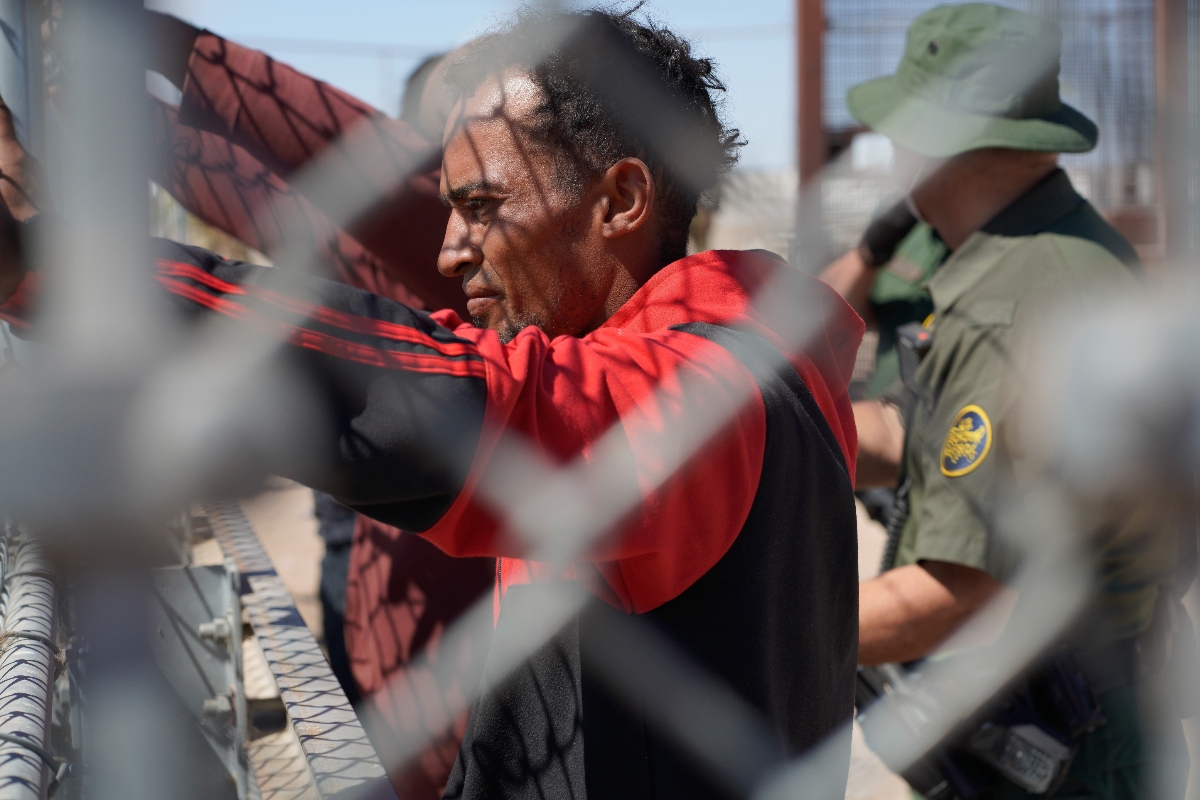
Although Mobile Fortify is already in use, not all states allow indiscriminate warrantless operations.
It is essential that migrants, regardless of their immigration status, know their rights:
They may remain silent
They may request to speak to a lawyer
They are not required to hand over personal devices or passwords.
Diversas organizaciones han expresado su preocupación
Local organizations in California, Texas, New York and Florida have already begun orientation campaigns for vulnerable communities.
For more information, visit QuéOnnda.com.