





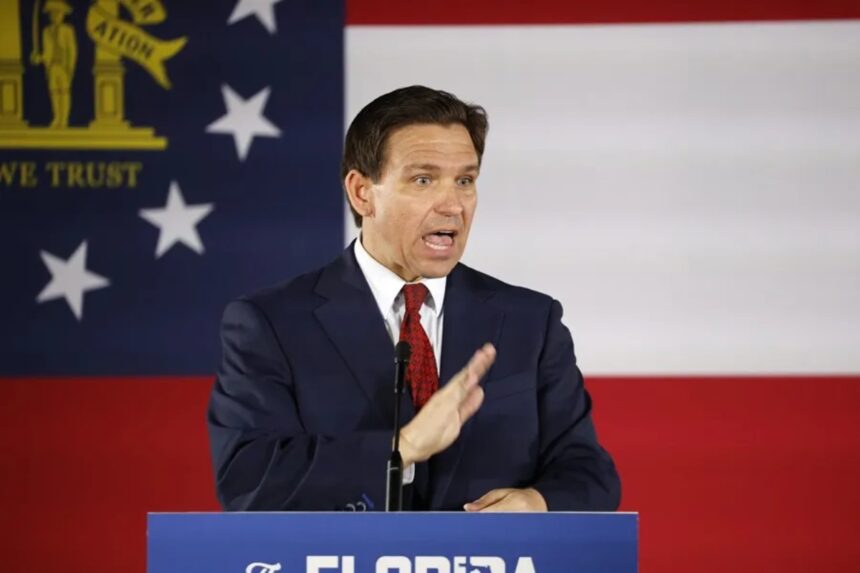
Florida is going through a 2025 marked by profound changes in its immigration legal framework. Governor Ron DeSantis, in line with President Donald Trump’s policies, has promoted a package of laws aimed at strengthening control over irregular immigration.
Although some of these regulations have been challenged in court, the Latino and foreign communities in the state are already feeling their impact in everyday life.
Immigration laws in Florida and coordination with ICE
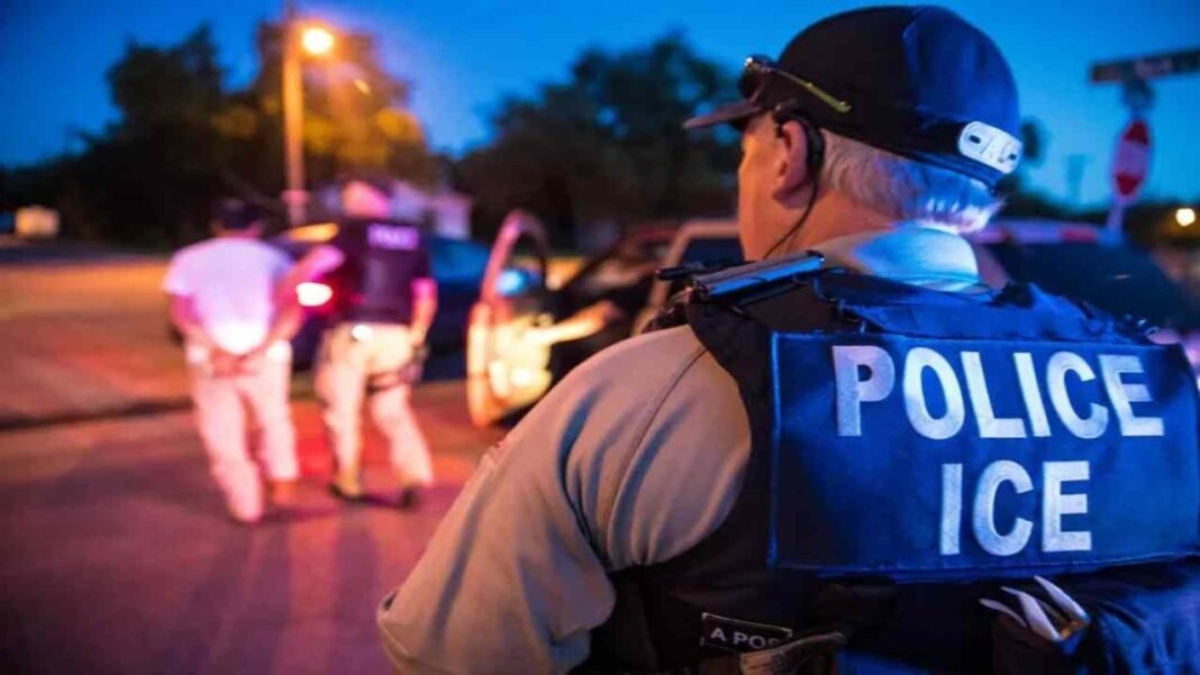
One of the most discussed measures is SB 2-C, which expands cooperation between state and local authorities with Immigration and Customs Enforcement (ICE).
This legislation opens the door to formal agreements with local agencies to share information and facilitate arrests of persons deemed undocumented.
Critics of the measure argue that this coordination turns the police into an extension of the federal immigration system, which generates fear in Latino communities.
Even residents with legal status report a climate of distrust towards the authorities, fearing they will be detained due to database errors or arbitrary searches.
DeSantis defended the measure noting that it seeks to “protect the citizens of Florida from the effects of illegal immigration.”
However, civil rights organizations warned that SB 2-C could lead to racial profiling practices against Latinos and other minorities.
SB 2-C opened the possibility of agreement between ICE and local agencies in Florida. Photo: ICE.gov
Maritime restrictions and SB 830
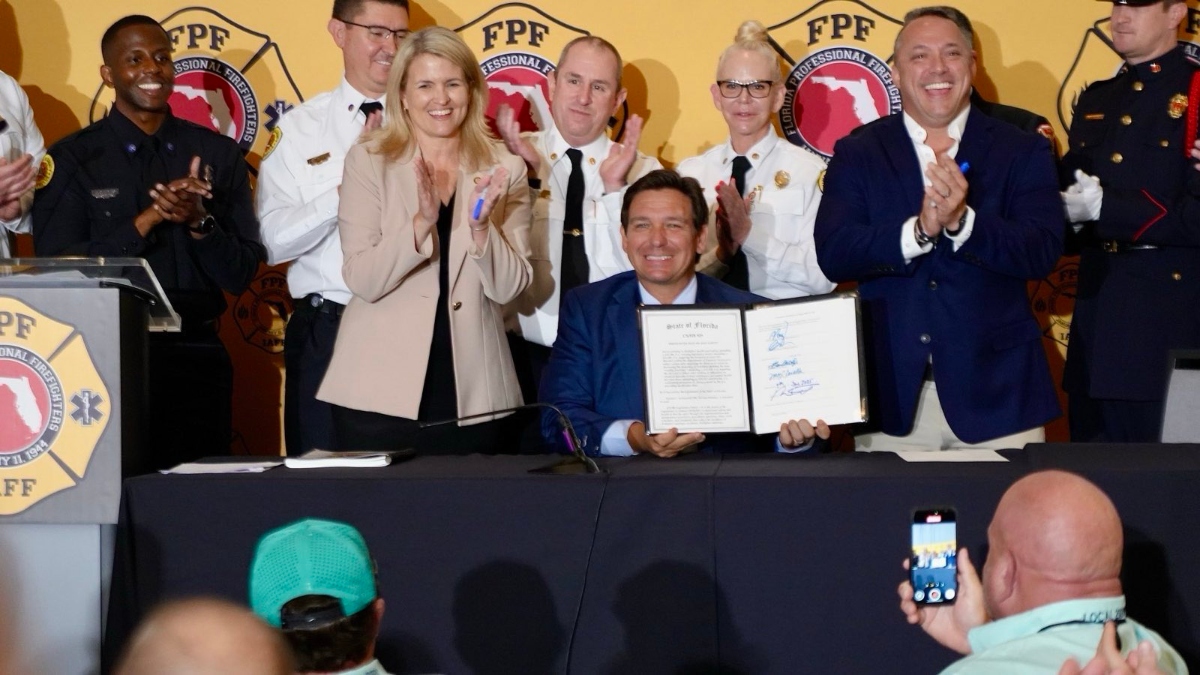
X/@GovRonDeSantis
Florida’s geography, with its long coastline and proximity to Cuba and Haiti, has made the sea a critical point of irregular entry.
In response, DeSantis signed SB 830, which authorizes the immediate removal of makeshift boats used by migrants to reach the state.
The regulation seeks to stem a steady flow of precarious rafts and boats from the Caribbean, while toughening penalties against those who organize or facilitate these trips.
For state authorities, this is a security measure aimed at preventing tragedies on the high seas and reducing human smuggling.
But immigrant community leaders denounce that this legislation does not solve the root of the problem: the lack of legal avenues to migrate.
In cities such as Miami and Hialeah, with large Cuban and Haitian populations, it has been questioned whether the rule further criminalizes those fleeing humanitarian crises.
Legal Fraud and HB 915
Florida’s immigration laws also include HB 915, which seeks to protect vulnerable immigrants from fraud committed by individuals posing as legal counsel without accreditation.
The legislation toughens penalties against those who offer false immigration services and promises to reinforce vigilance over notaries and managers operating in Latino communities.
This aspect of the reform was met with increased support, as thousands of immigrants have been scammed with promises to “fix papers” in exchange for high payments.
However, experts point out that the implementation of HB 915 will depend on the state’s ability to prosecute those who commit these frauds.
So far, many of these illegal practices are carried out informally and are difficult to trace.
SB 4-C and legal challenges
Perhaps the most controversial measure was SB 4-C, which defines as “unauthorized aliens” those without legal immigration status in the United States.
This legislation provides for harsher penalties for irregular entry into Florida and enables immediate arrests.
In July 2025, the U.S. Supreme Court temporarily suspended its application for possible constitutional violations, although state authorities have continued to apply parts of the law to justify detentions.
At the same time, Florida set up specific facilities to detain people in deportation proceedings, what some activists describe as “mass detention centers”.
These facilities, according to the state government, allow deportations to be expedited, but pro-immigrant organizations denounce precarious conditions and lack of access to adequate legal counsel.
Impact on the Latino community
Florida’s immigration laws create an atmosphere of uncertainty among the Latino population.
Families with mixed status – where some members are citizens and others undocumented – live in fear of forced separations.
In addition, agricultural workers, a key sector of the state’s economy and largely composed of immigrants, have reported a decrease in labor due to fear of raids.
Various associations warn that these measures, beyond their legality, deepen distrust towards institutions and may negatively affect the local economy.
Businesses and employers that rely on the immigrant workforce have expressed concern about potential worker shortages in the coming months.
In contrast, DeSantis and his Republican allies argue that Florida’s immigration laws reinforce the “rule of law” and align the state with the federal policies of President Donald Trump, who has promised a tougher approach to combating irregular immigration during his second term.
This article was originally published in Nueva News.