





For many Latino families living in the United States, the holiday season represents a mix of ancestral customs with new traditions adopted in their country of residence. Among them, two holiday mainstays stand out: Las posadas, a symbol of Mexican and Central American heritage, and Santa Claus, a key figure of American Christmas.
But is it necessary to choose one or the other? The answer is no. With intention, creativity and pride in our roots, it is possible to combine both celebrations harmoniously.
What do the posadas represent?

Las Posadas is a tradition that commemorates the pilgrimage of Mary and Joseph in search of shelter before the birth of Jesus.
They are celebrated during the nine days prior to Christmas (December 16 to 24) and usually include prayers, carols, candles, piñatas, hot punch and the classic snack.
This custom is not only religious, it is also deeply communitarian and strengthens the cultural identity of Hispanics.
And what does Santa Claus mean?

Santa Claus, or Santa Claus, is a figure inspired by Saint Nicholas, who in Anglo-Saxon culture represents the spirit of generosity and children’s illusion.
In the U.S., his image is omnipresent in shopping malls, television programs, and schools.
For children, their arrival on the night of December 24 is one of the most awaited moments.
How to unite both traditions without losing their essence
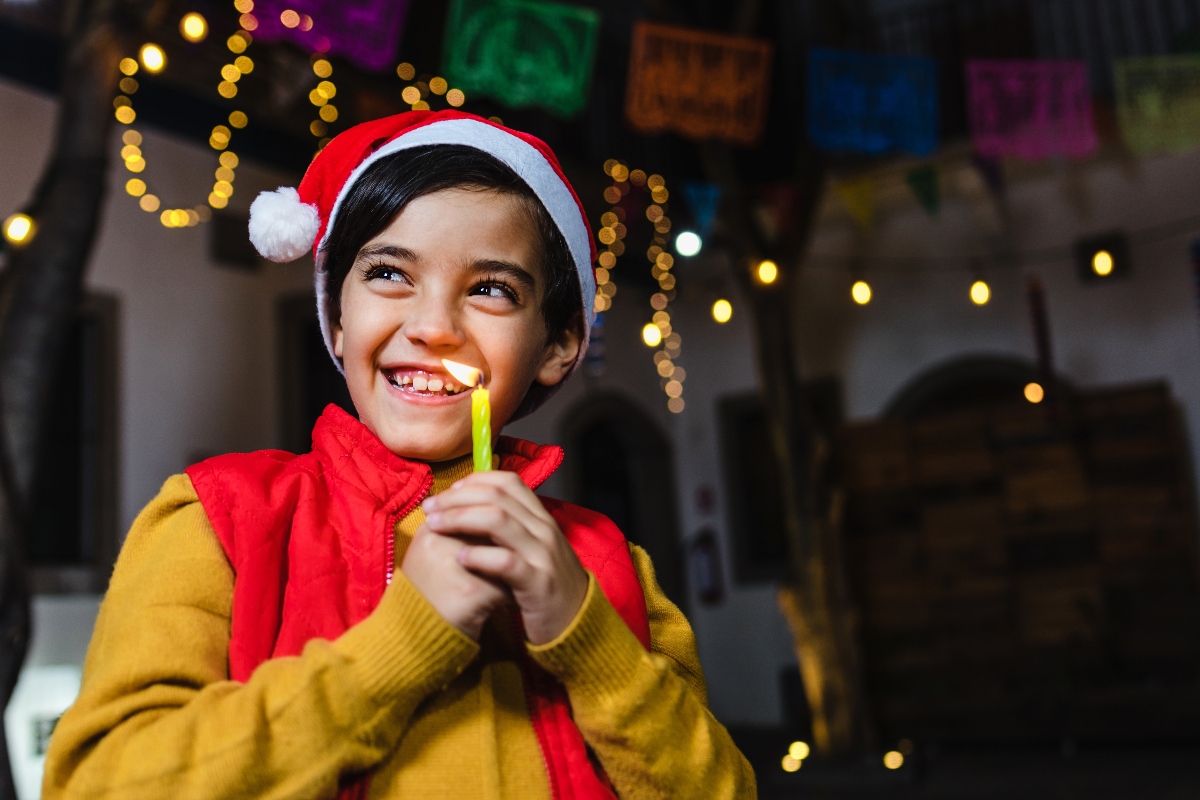
Celebrate the posadas as spiritual and cultural preparation: Make the nine days leading up to Christmas an opportunity to teach your children about the story behind the Christian Christmas, using activities such as short prayers, traditional songs or mini-posadas at home with neighbors, family or friends.
Reserve the figure of Santa Claus for Christmas Eve: The night of the 24th can serve as the ideal closing of the Posadas: after breaking the piñata and sharing tamales, let the children leave their letter or their shoes near the tree so that “Santa” can come by later with the gifts. This way, the tradition is not erased, it is enriched.
Involve children in both experiences: Invite them to make punch, help decorate the Posada candles and also bake Christmas cookies for Santa. You can read them stories from both traditions so they grow up with bicultural pride.
Include symbols of both worlds in your decorations: You don’t have to give up the nativity scene or the tree. You can place the nativity scene, the candles of the Posada, and Santa next to the Christmas pine tree together. Each symbol adds value.
Being bicultural is a strength
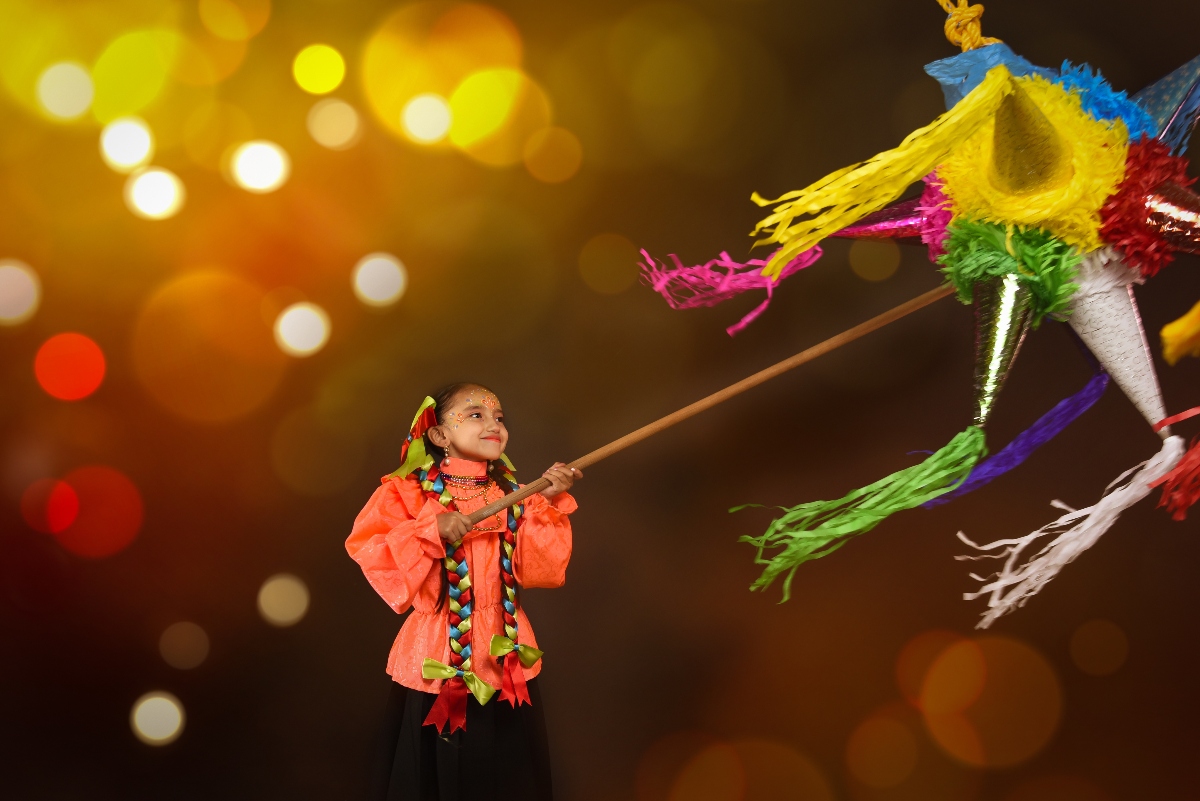
For Latino families in the U.S., raising bicultural children does not mean confusion, but opportunity.
Posadas teach community, faith and gratitude; Santa Claus nurtures imagination, generosity and the joy of giving.
Bringing the two traditions together creates more complete and meaningful Christmas memories.
Because celebrating our Latino heritage does not mean rejecting the new, but making room for the best of both worlds.
With intention, creativity and pride in our roots, it is possible to combine both celebrations harmoniously