





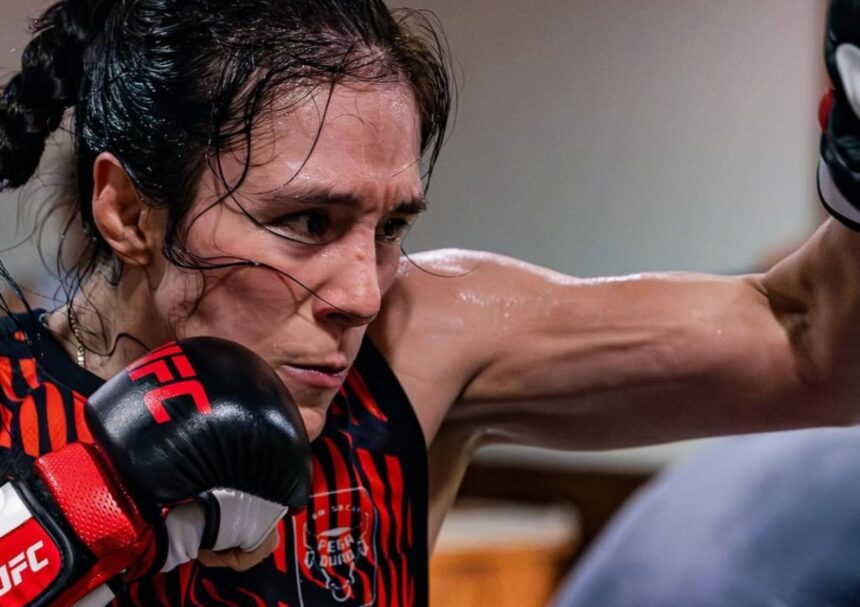
More and more Latinas are making their mark in the world of Mixed Martial Arts (MMA), a discipline that demands physical strength, tactical intelligence and an unbreakable will.
From Mexico to Colombia, Puerto Rico to Brazil, these warriors not only represent their countries with pride, but also inspire a new generation of Hispanic women in the United States to pursue their dreams in and out of the octagon.
Alexa Grasso, the Mexican pioneer
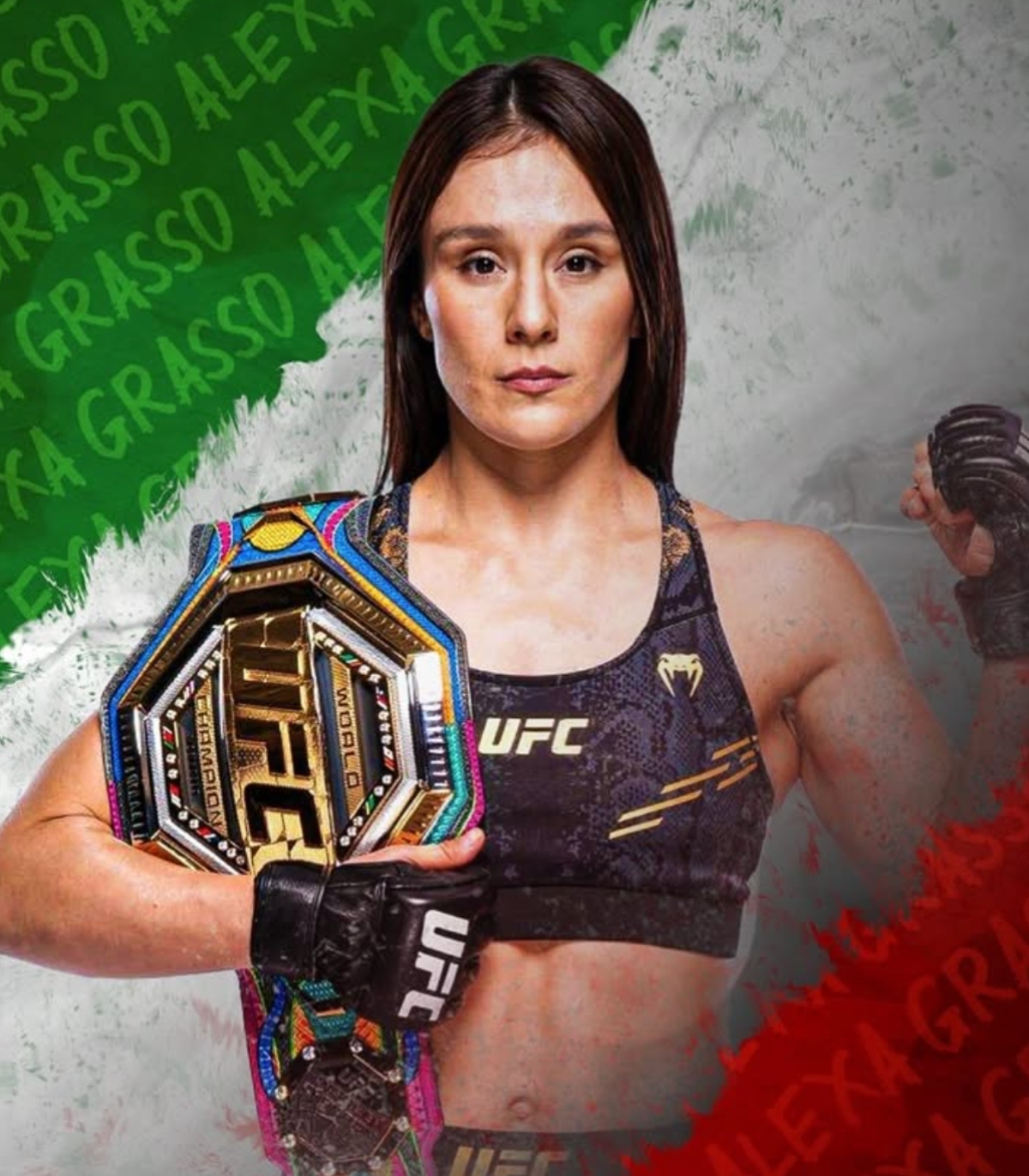
Mexico’s Alexa Grasso made history on March 4, 2023 by becoming the first woman from Mexico to win a world championship in UFC, MMA most prestigious league.
Grasso defeated then champion Valentina Shevchenko in a surprise fourth round submission and defended her title in 2024 in a fight that was declared a draw.
With her charisma, discipline and focus, Alexa has become a central figure for Latinas in combat sports.
Brazilian women: power and technique
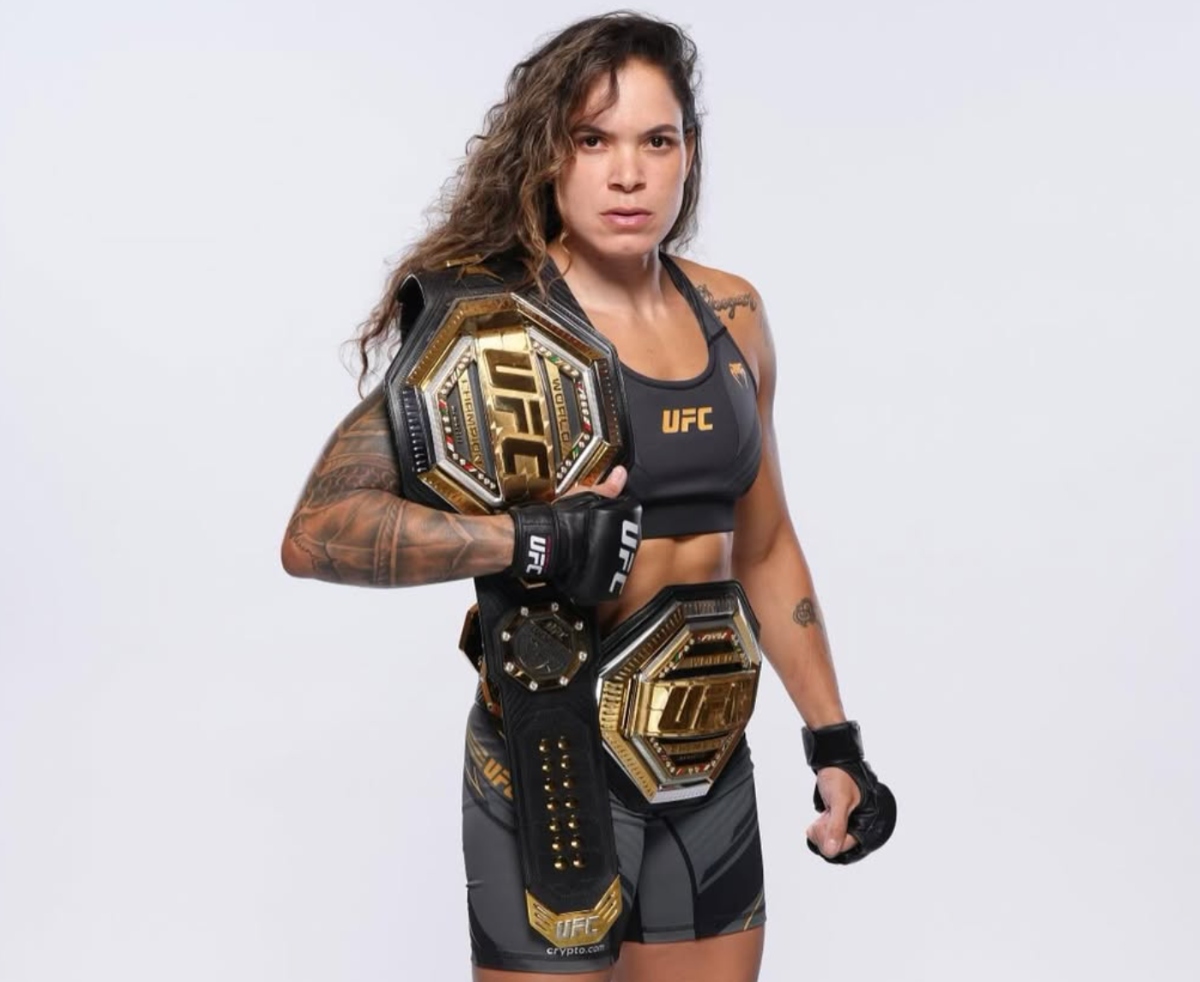
Brazil is a historic power in women MMA.
Names like Amanda Nunes – considered by many to be the greatest fighter of all time – have paved the way for new generations.
Nunes, a native of Salvador de Bahia, retired in 2023 as a simultaneous champion in two divisions.
Today, fighters like Mayra Bueno Silva continue to carry the Brazilian flag with determination and success.
Combate Global and the boom of Latinas in the U.S.
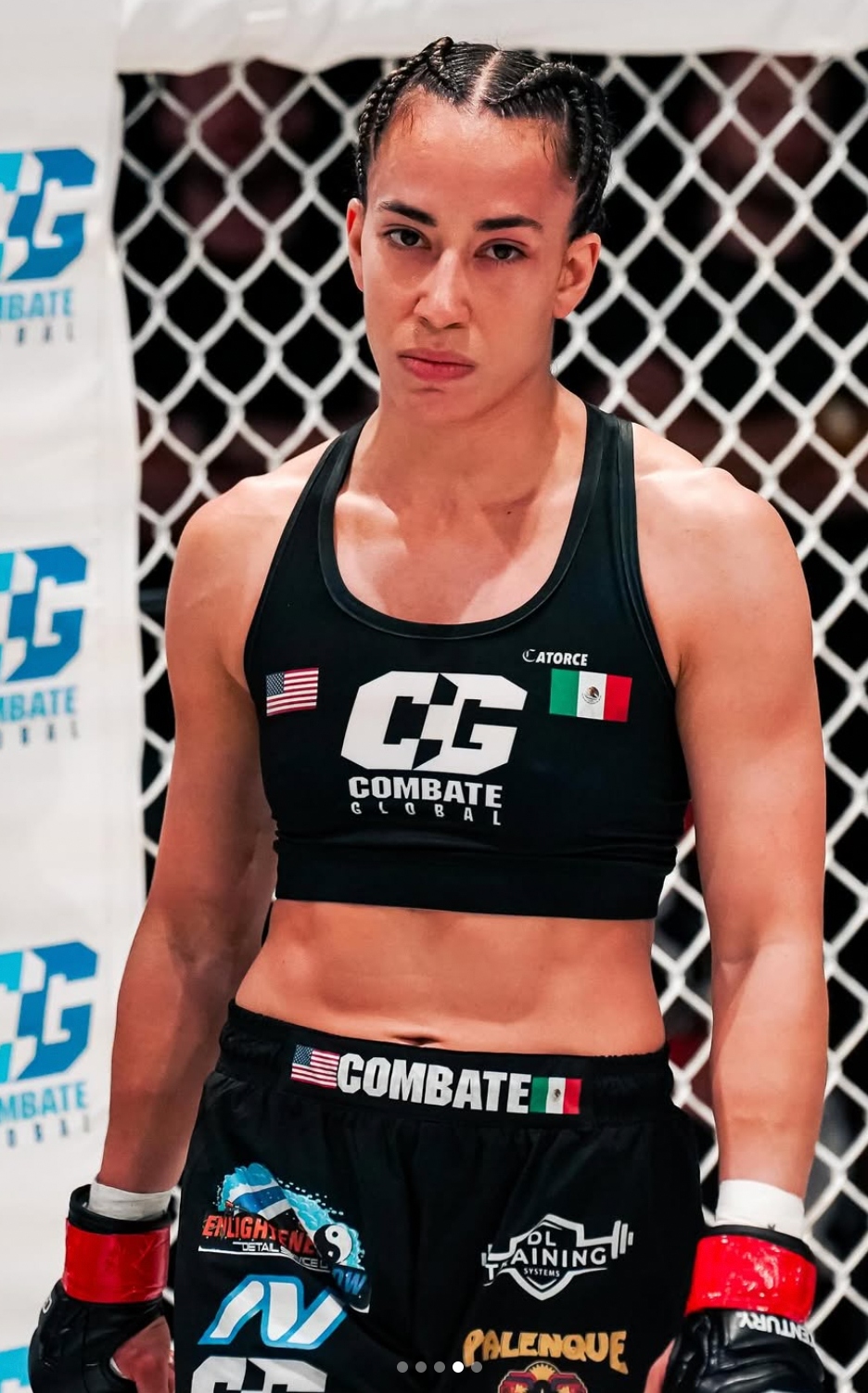
Miami-based promoter Combate Global has been instrumental in the development of Latino female talent in the US.
Its bilingual and multicultural approach has allowed fighters such as Melissa Amaya (of Honduran descent) and Lucero “La Loba” Acosta (Mexico/California) to gain notoriety among Hispanic audiences.
This televised format has attracted a large young community that sees in these athletes models of effort and authenticity.
Bicultural fighters: bridges between worlds
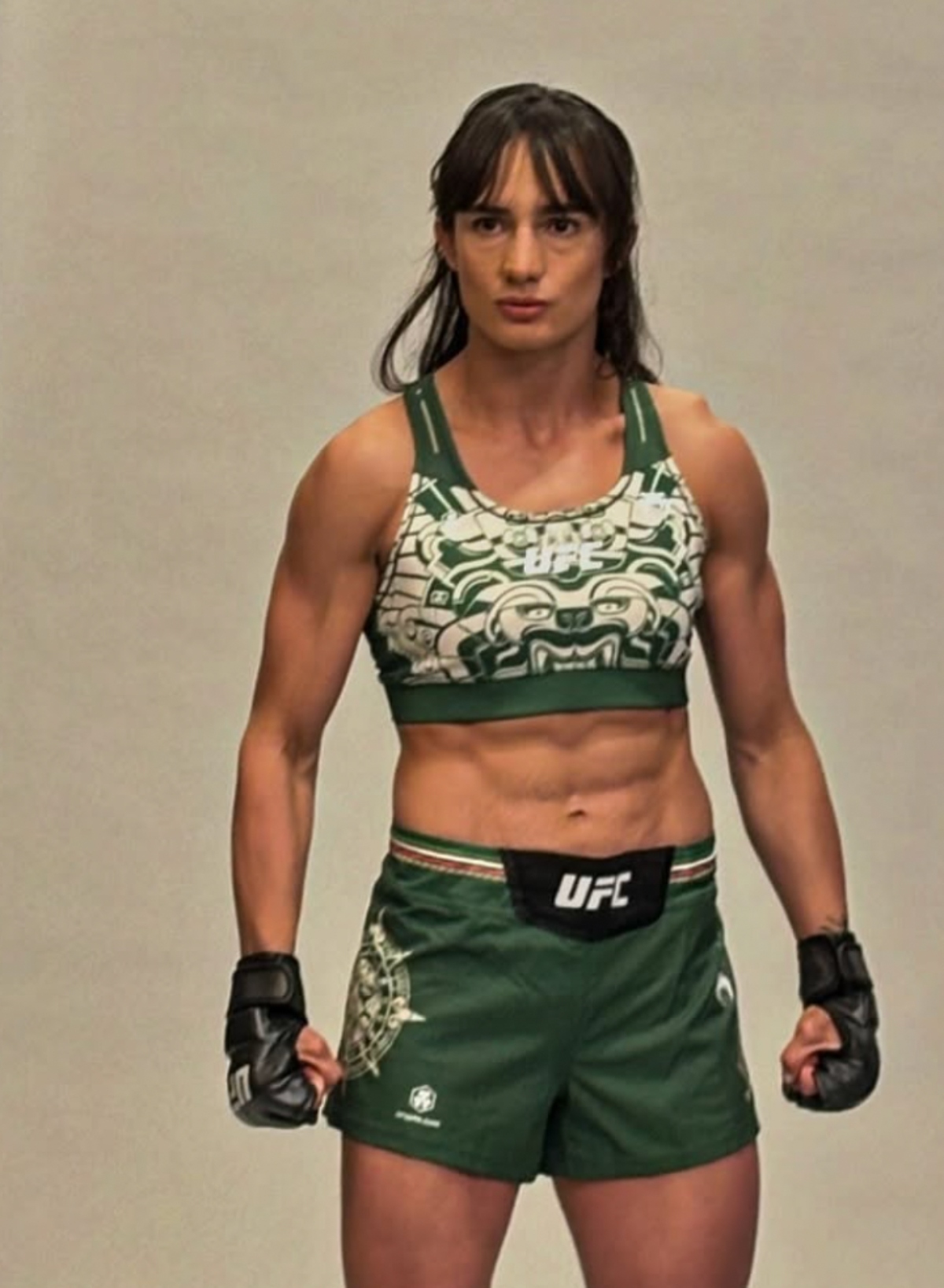
Many of today’s fighters are bicultural: Latinas born or raised in the United States who combine cultural heritages.
Such is the case of Yazmin Jauregui, a young UFC star born in Tijuana but based in California, whose aggressiveness in the octagon and humility outside of it have made her a symbol of binational identity.
Beyond the cage: referents and inspiration
These women not only compete: they also raise their voices for equality in sports, break stereotypes and defend social causes.
Several have shared their stories of lives marked by migration, poverty or violence, and how sports gave them a new opportunity.
For many Latino families in the U.S., their trajectories offer a hopeful narrative.
No matter how much it costs, I don't stop
Yazmin Jauregui