






Raising healthy children goes far beyond preventing disease. For Latino families living in the United States, instilling healthy habits from childhood is a key tool for children to grow up with physical, emotional and mental well-being in an environment where fast food, sedentary lifestyles and excessive use of screens are part of daily life.
Habits learned at home during the early years tend to stay with people throughout their lives. That’s why Latino parents play a key role in forming routines that help prevent problems such as childhood obesity, type 2 diabetes, anxiety and other conditions that disproportionately affect the Latino community in the U.S.
Nourishment begins by example
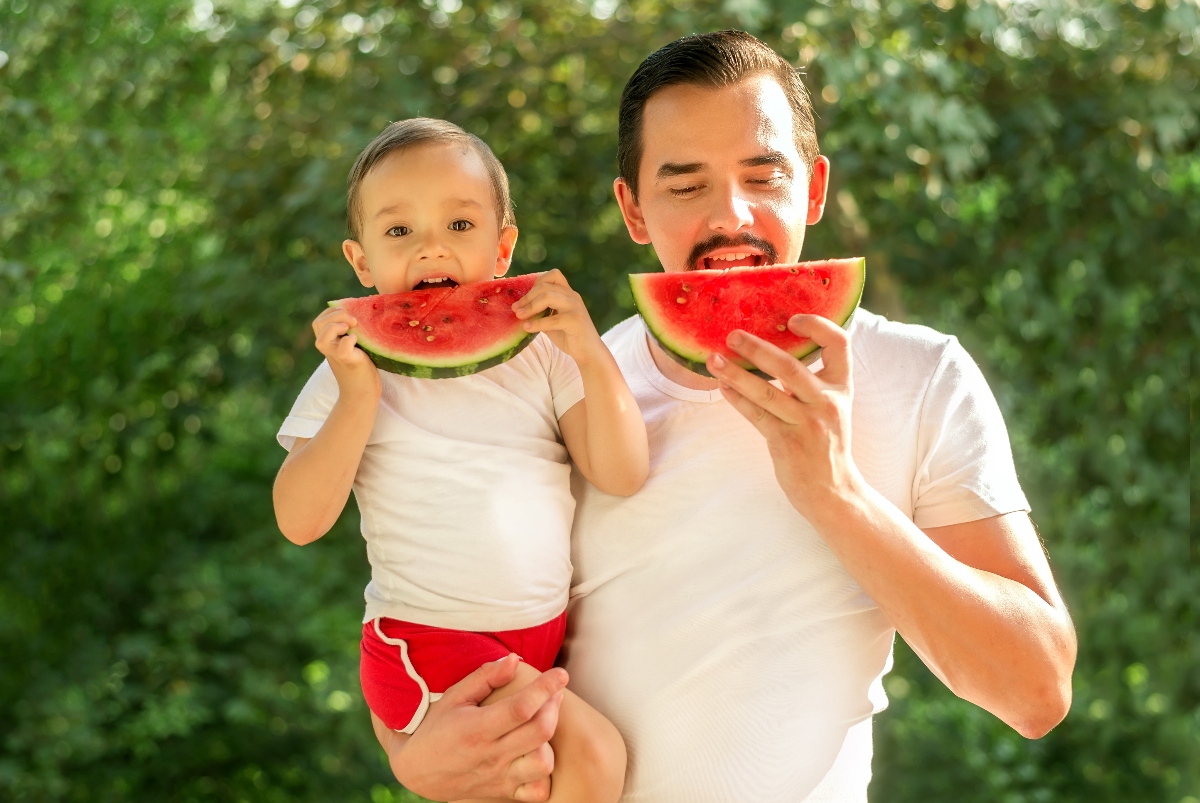
One of the pillars of children’s health is balanced nutrition.
It is not about eliminating traditional dishes, but learning to prepare them in a healthier way.
Incorporating fruits, vegetables, beans, whole grains and lean proteins helps meet children’s nutritional needs.
It is important to limit consumption of sugary drinks, processed juices and ultra-processed snacks, which are often high in sugar, sodium and unhealthy fats.
Involving children in the kitchen, allowing them to choose fruits or vegetables at the grocery store and teaching them where food comes from can spark their interest in eating better.
Daily movement: key to its development

Physical exercise should not be seen as an obligation.
Playing outdoors, riding a bike, dancing at home or playing sports are effective ways to keep children active.
Specialists recommend that children do at least one hour of physical activity per day.
For many Latino families, activities such as playing soccer, walking as a family or dancing to Latin music can become convivial moments that strengthen family bonds and promote an active lifestyle.
Sleep routines and emotional well-being

Sleeping well is as important as eating well.
Establishing regular bedtimes, reducing the use of screens before bedtime and creating a nighttime routine helps improve rest and school performance.
In addition, taking care of children’s emotional health is fundamental.
Listening to them, validating their emotions and teaching them to express what they feel strengthens their self-esteem and reduces the risk of anxiety and stress.
In Latino households, where sometimes talking about emotions is not commonplace, opening up these spaces can make a big difference.
Fewer screens, more connection
Excessive use of cell phones, tablets and video games can affect children’s physical and mental health.
Setting clear limits on screen time and promoting technology-free family activities – such as reading together, playing board games or going for a walk – helps create a healthy balance.
Latin parents must create habits

Teaching healthy habits does not mean being perfect.
It is about consistency and coherence, not extreme prohibitions.
When children see that their parents also eat better, move, rest and take care of their emotional well-being, they learn naturally.
For Latino families in the United States, maintaining cultural traditions adapted to a healthy lifestyle is a powerful way to take care of the health of new generations.
Investing in healthy habits today is giving your children a solid foundation for a healthier and more balanced future.
Filed under: Latino Parents