





The Liga MX Clausura 2026 Liguilla will be played without extraordinary reinforcements, despite the absence of several teams due to call-ups to the Mexican National Team. For weeks, there have been rumors about the possibility of enabling a special transfer period to replace players called up for international commitments. However, so far there has been no official approval to implement this measure, so clubs will have to play the final phase with their current squads.
This takes place in a complicated context, since the national team activity coincides with the end of the tournament, which could affect the performance of several teams that could lose key players.
What had been proposed to support clubs?

The idea that was discussed was to allow temporary reinforcements exclusively for the Clausura 2026 Liga MX Liguilla.
This is in order to cover the absences of called-up players.
Under this scheme, qualified teams would have been able to sign Mexican players from eliminated clubs only for the duration of the final phase.
At the end of the participation in the Liguilla of the Clausura 2026, these players would return to their original teams.
In addition, important restrictions were contemplated:
Only Mexican players could be registered
Transfers that violate international rules (such as playing for three clubs in the same season) would not be allowed
Reinforcements would only be temporary.
However, since it does not have the corresponding approval, this plan will not be implemented for the 2026 Clausura.
So far, there is no official approval
QuéOnnda.com
Impact on teams and players
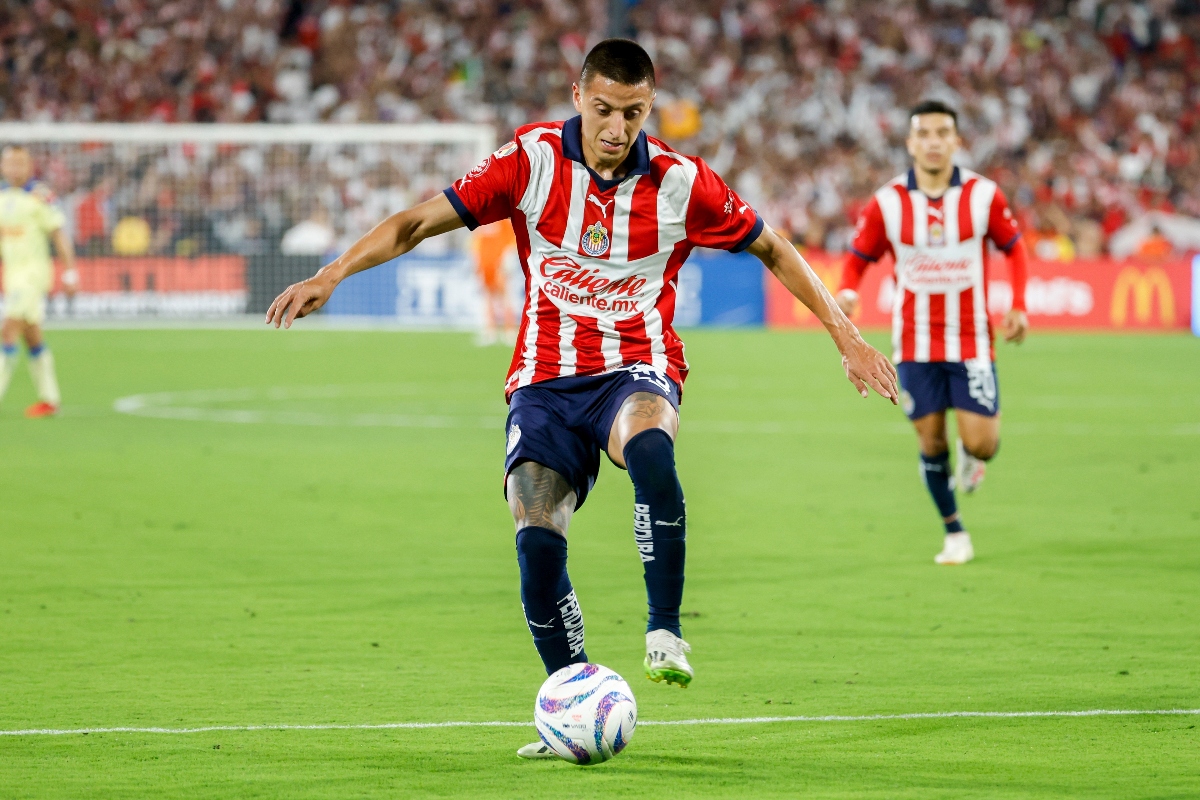
The absence of reinforcements may have a direct impact on clubs with several selected players.
Teams with shorter squads or dependent on key players could find themselves at a disadvantage during decisive matches.
For Hispanic fans in the United States – especially those who follow Liga MX closely – this means that the 2026 Clausura Liguilla could be more unpredictable.
With opportunities for young or less regular players.
It also highlights the challenges of the international calendar, where local tournaments and national team commitments can overlap, generating tension between clubs and federations.
For more information, visit QuéOnnda.com.