




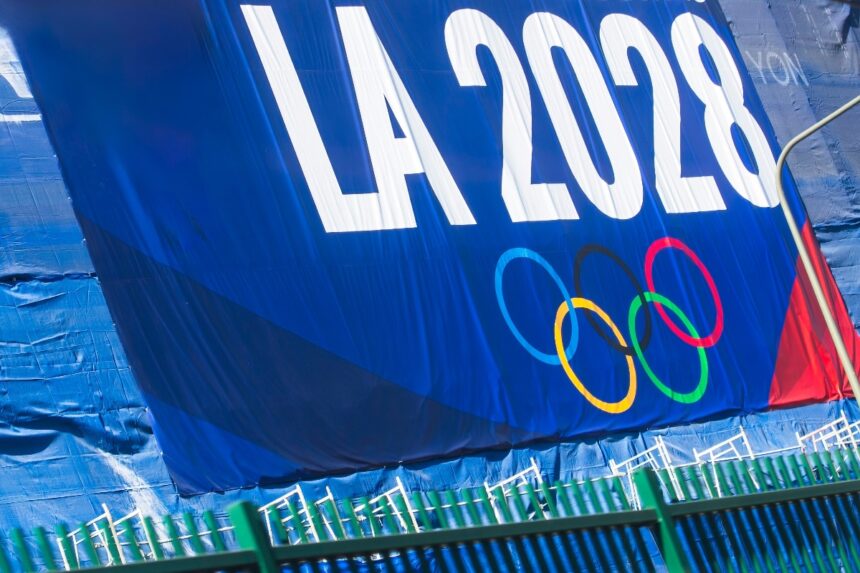
Los Angeles 2028 will mark a before and after in the history of the Olympic Games by allowing for the first time the sale of naming rights for some of its venues.
It is a significant break with the traditional policy of the International Olympic Committee(IOC), which has historically prohibited the use of corporate names in stadiums and arenas.
Breaking the mold
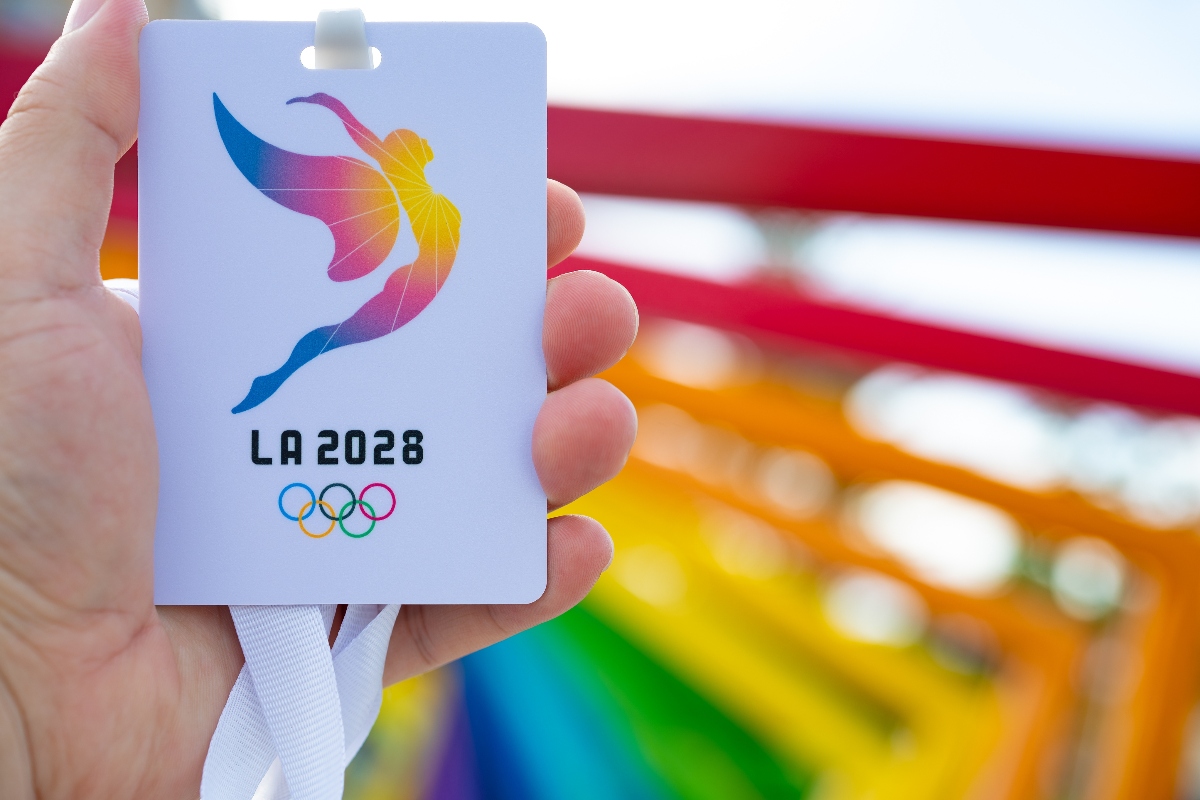
The Los Angeles 2028 organizing committee, which will fully fund the Games without government backing, has initiated this innovative strategy.
This is to generate additional resources to its base budget of approximately US$6.9 billion.
The agreements with the Honda brand (which retains the rights to the Honda Center) and Comcast (for the new “Comcast Squash Center” at Universal Studios) are the first examples of this new modality.
An opportunity for TOP sponsors
Up to 19 temporary venues will bid to have a corporate name during the Olympic Games.
The IOC’s most important sponsors (the so-called “TOP Sponsors”) will have access first.
It is a significante break with the IOC's traditional policy
QuéOnnda.com
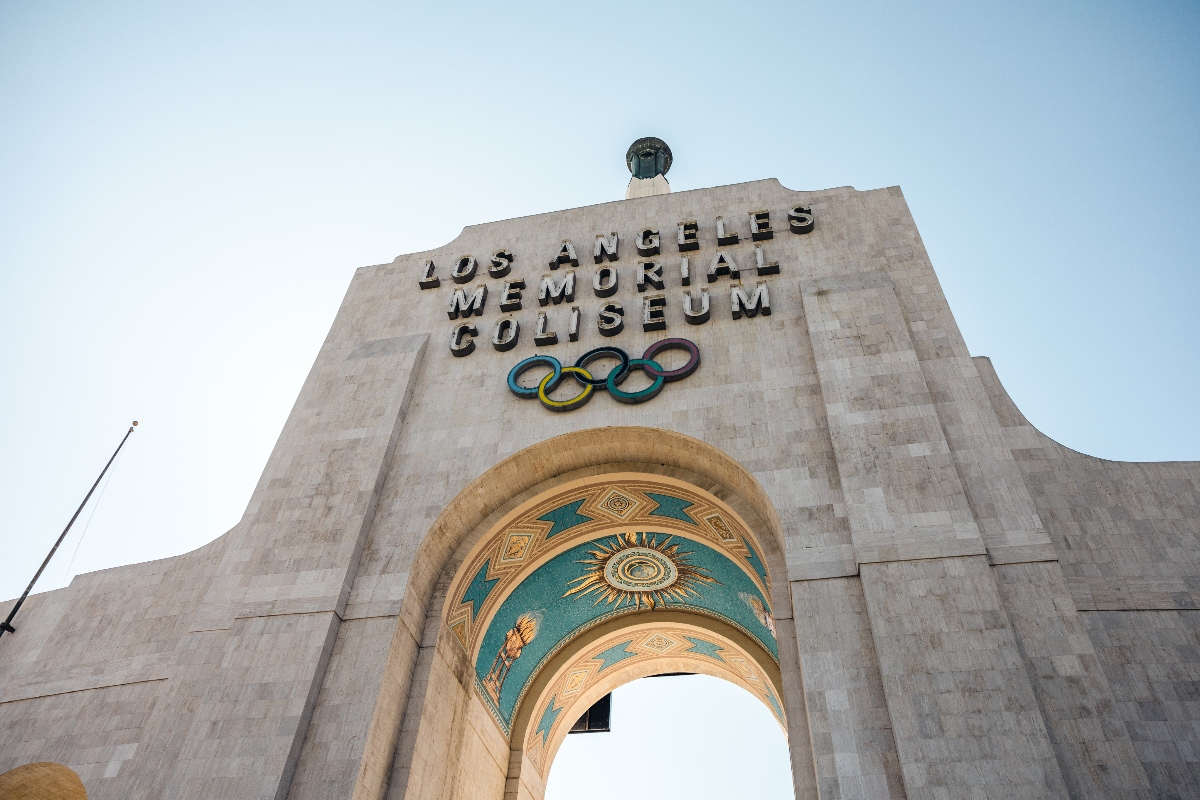
However, iconic venues such as the Los Angeles Coliseum, Rose Bowl or Dodger Stadium are excluded from these agreements.
The “clean field” regulations will remain in force during the competitions.
Sports culture vs. Olympic tradition
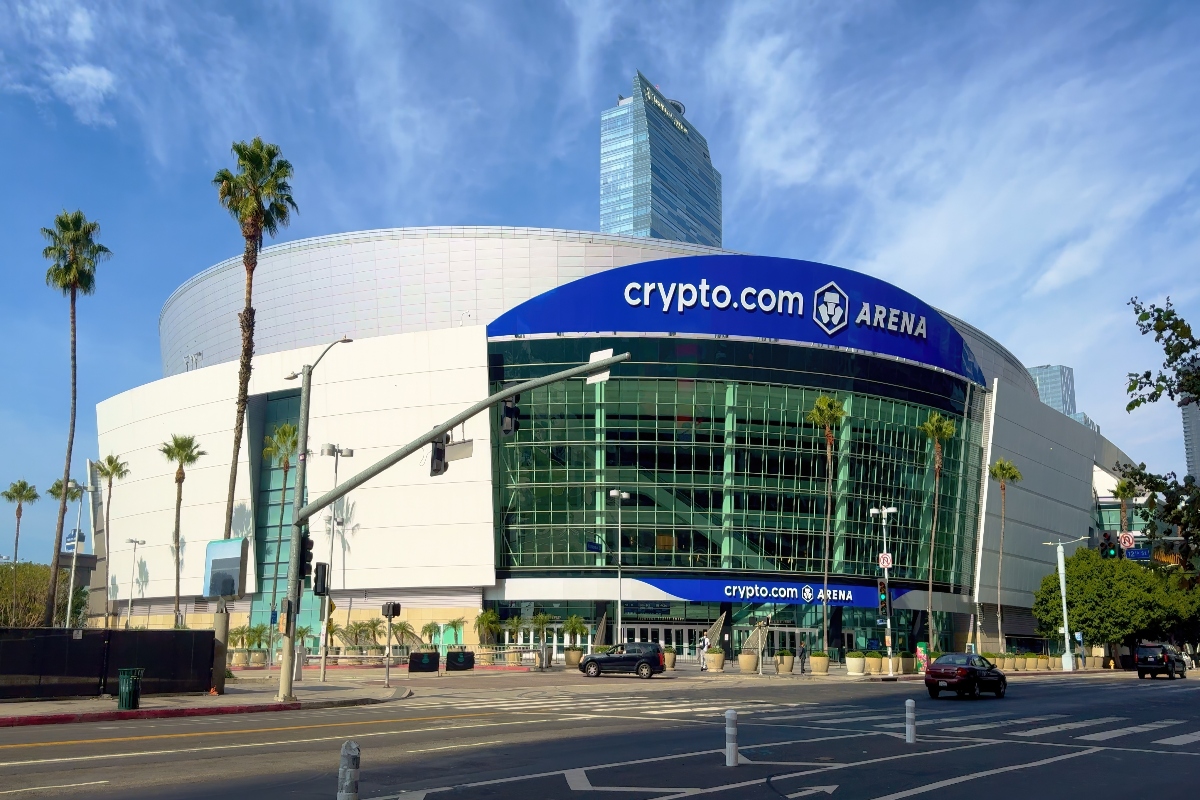
Casey Wasserman, president of Los Angeles 2028, argued that it is common in the U.S. to identify venues by brand names-such as “Crypto.com Arena.”
Allowing these rights makes it easier for fans to navigate and connect.
He also stressed that, as a private entity, Los Angeles 2028 cannot be limited to a “no” from the IOC:
It must negotiate, present solid arguments and break paradigms.
A new model for future Games?
This initiative represents a forward-looking pilot within the Olympic movement.
If well-received and successful, it could redefine how other countries fund and organize such mega-events.
For more information, visit QuéOnnda.com.