



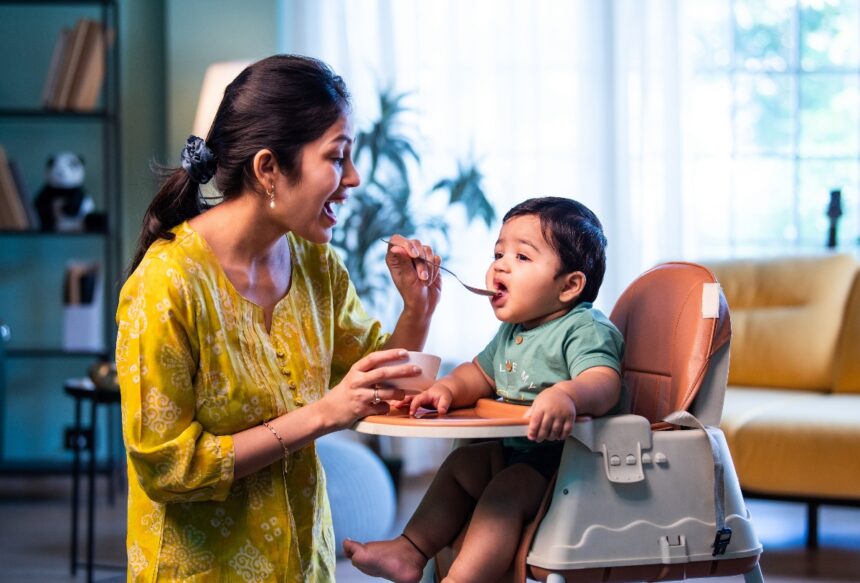
Childhood malnutrition does not always manifest itself with extreme underweight or obvious signs. On many occasions, it presents itself silently through nutritional deficiencies that can affect children’s growth, learning, immune system and emotional development.
For Latino families living in the United States, identifying these signs early is key to preventing long-term health problems.
What is a nutritional deficiency?
Occurs when the body does not receive enough essential vitamins, minerals or macronutrients such as protein, iron, calcium or vitamin D.
These deficiencies can occur even in children who eat every day, especially if their diet is poorly varied or high in ultra-processed foods.
According to the Centers for Disease Control and Prevention (CDC), in the U.S. some of the most common deficits in childhood include iron, vitamin D, calcium and zinc, with higher incidence in low-income communities.
Warning signs parents should not ignore
Nutritional deficiencies can manifest themselves in different ways.
Among the most common signs are:
Constant tiredness or lack of energy
Difficulty concentrating at school
Excessive hair loss or brittle nails
Frequent infections
Delayed growth or low weight gain
Pallor of the skin (possible iron deficiency)
Buzzy or muscle pain (vitamin D or calcium Buzzy)
In infants and young children, irritability, delayed language development or loss of appetite may also be observed.
Risk factors in Latino children
Some factors that may increase the risk of nutritional deficiencies in Latino children include:
Limited access to fresh and nutritious food
Diets high in fast food or sugary beverages
Food insecurity
Lack of regular medical check-ups
Inadequate breastfeeding or complementary feeding
In addition, conditions such as lactose intolerance, common in Latino populations, can reduce calcium intake if dairy is not adequately substituted.
How to confirm a deficiency?
The only sure way to confirm a nutritional deficiency is through a medical evaluation, which may include blood tests and a review of the child’s growth.
Programs such as Medicaid and CHIP cover these screenings for millions of U.S. Latino families.
It is never recommended to administer supplements without consulting a pediatrician, since an excess of vitamins can also be harmful.
To prevent nutritional deficiencies, specialists recommend:
Offer a varied diet with fruits, vegetables, proteins, whole grains and healthy fats.
Include iron-rich foods such as beans, lentils, spinach and lean meats.
Take advantage of nutritional support programs such as WIC and SNAP.
Perform regular pediatric checkups
Detecting a nutritional deficiency early can make a big difference in a child’s health and future.
Watching for the signs and seeking medical guidance is a powerful way to care for Latino children and strengthen their well-being.