






The 1944 International Waters Treaty between Mexico and the United States establishes the distribution of the flows of the Bravo and Colorado Rivers along the shared border of more than 3,100 km.
Under this agreement, Mexico must deliver 2,158.6 million cubic meters of water to the U.S. in five-year cycles, while the U.S. annually delivers 1,850 million cubic meters to Mexico from the Colorado River.
The 2025 commitment

Mexico’s President Claudia Sheinbaum announced that the federal government agreed with the U.S. to deliver water “to the extent possible and within the possible margins”.
The objective is to prioritize the human right to water and guarantee agricultural irrigation in key regions such as Chihuahua, Coahuila, Sonora and Tamaulipas.
Sheinbaum detailed that the technical review of the dams showed partial availability, so deliveries will be made according to the existing volume.
In addition, an annual bilateral review was established to ensure transparency and compliance with the treaty.
Drought, debt and pressure
Mexico has a water debt with the United States that represents 70% of the agreed volume for the 2020-2025 cycle, which expires on October 24, 2025.
The main cause has been prolonged droughts in the north of the country.
Mexico must deliver 2,158.6 million cubic meters of water to the U.S.
QueOnnda.com
During the first months of 2025, U.S. pressure increased.
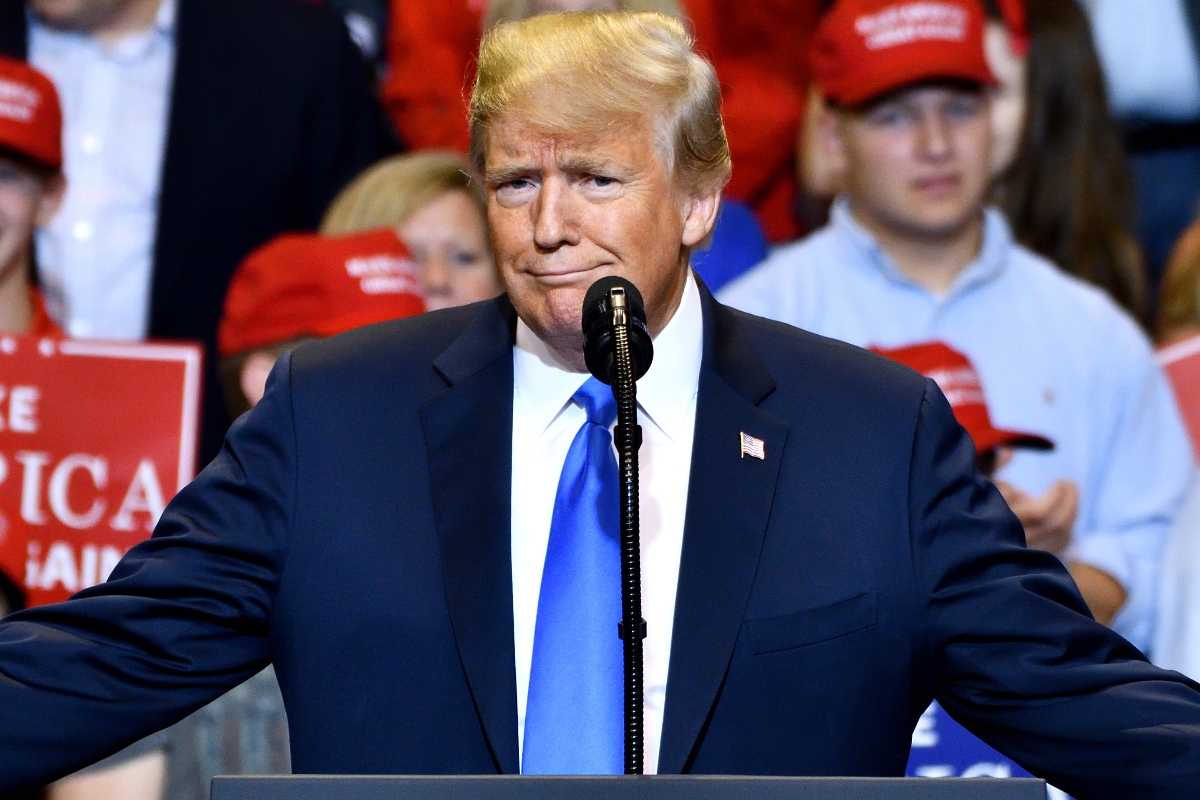
Its president, Donald Trump, warned of diplomatic and trade consequences if Mexico did not comply with the International Waters Treaty.
This made it necessary to accelerate diplomatic and technical negotiations between the two governments.
Long-term solutions

The Mexican government reported that it is applying efficient irrigation technologies in the northern states and strengthening coordination with state authorities to comply without compromising local needs.
The National Water Commission(CONAGUA) and the International Boundary and Water Commission (IBWC) are the entities responsible for supervising and implementing this agreement.
The United States has agreed to maintain technical cooperation.
This agreement is key for thousands of Hispanic families living in border areas of Texas, Arizona and New Mexico.
Guarantees water supply for consumption and agricultural production, sectors where there is a high participation of Mexican and Central American workers.
For more information, visit QueOnnda.com.