





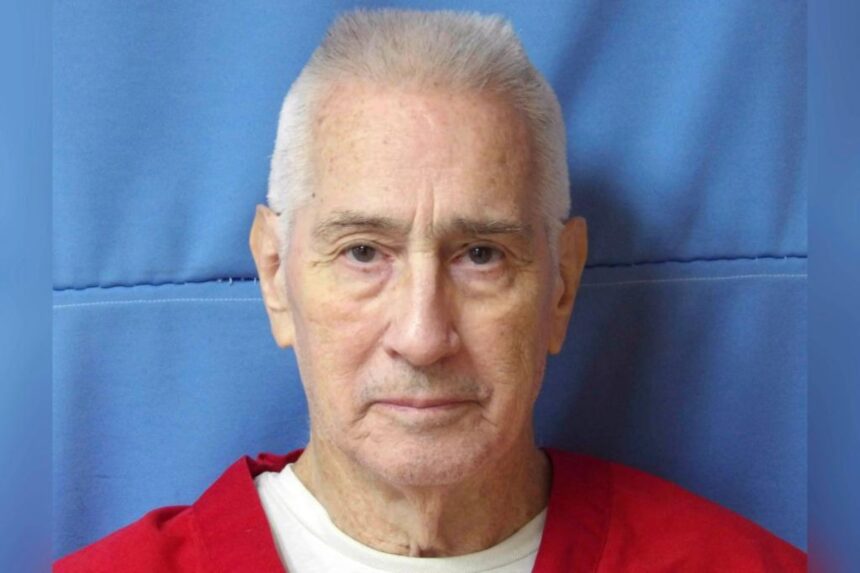
The execution of Richard Gerald Jordan, a 79-year-old Vietnam War veteran, took place this Wednesday, June 25, 2025, in the state of Mississippi, after spending half a century on death row.
Jordan was convicted of the 1976 kidnapping and murder of Edwina Marter, a crime that generated widespread national attention due to the unprecedented length of his sentence prior to his execution.
The crime and the sentence

According to Mississippi Public Broadcasting, Richard Gerald Jordan traveled from Louisiana to Mississippi with the intent to kidnap a relative of a bank executive and demand a ransom.
He posed as an electrician, kidnapped Edwina Marter, Charles Marter’s wife, and took her to a forest.
When he attempted to escape, Richard Gerald Jordan shot him in the back of the head.
He subsequently demanded a ransom of $25,000, without revealing that the victim had already been killed.
He was arrested the next day in a hotel and faced four trials in total: in 1976, 1977, 1983 and 1998. In all, he received the death penalty.
Last hours and execution
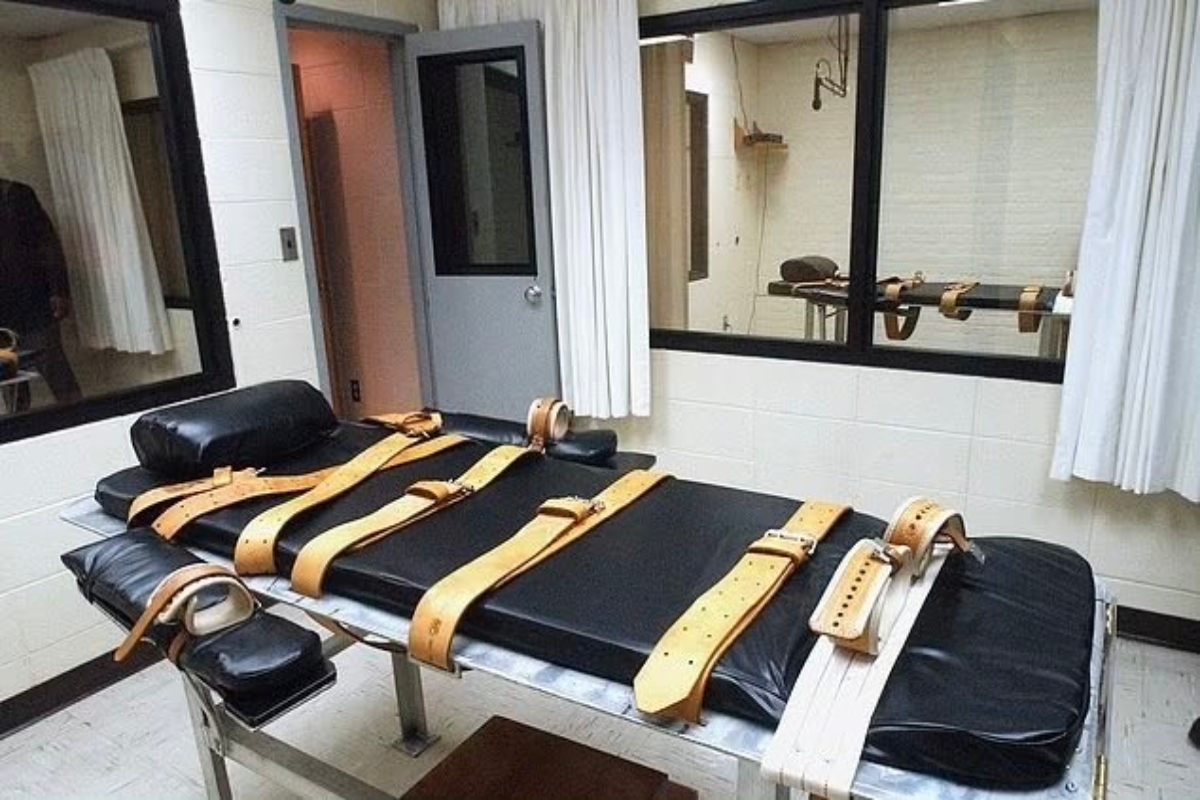
The execution was carried out by lethal injection in the state prison.
Richard Gerald Jordan apologized to the victim’s family and thanked his lawyers, wife and prison staff.
I love you all very much. I'll see you in the other side
The execution began with the administration of midazolam, a sedative that has been the subject of controversy for allegedly failing to prevent the pain caused by the other two drugs in the protocol.
He was pronounced dead at 18:16 hours.
Richard Gerald Jordan had been the lead plaintiff in a federal lawsuit against Mississippi’s lethal injection protocol.
Although his case came to an end, the litigation remains active for other death row inmates.
Denial of clemency and appeals

Mississippi Governor Tate Reeves rejected a plea for clemency, calling the crime “violent and premeditated.”
Nor did the state Supreme Court, a district court, the Fifth Circuit Court of Appeals, or the U.S. Supreme Court intervene, exhausting all of the condemned man’s legal options.
The victim’s children, now in their 50s, were present at the execution.
Department of Corrections Director Burl Cain said:
“He was remorseful and his family was able to say goodbye. Everything was done with respect.”
The case of Richard Gerald Jordan highlights ongoing debates about the death penalty, execution protocols and the treatment of elderly prisoners.
Especially those with a history of mental health related to post-traumatic war stress.
For more information, visit QuéOnnda.com.