




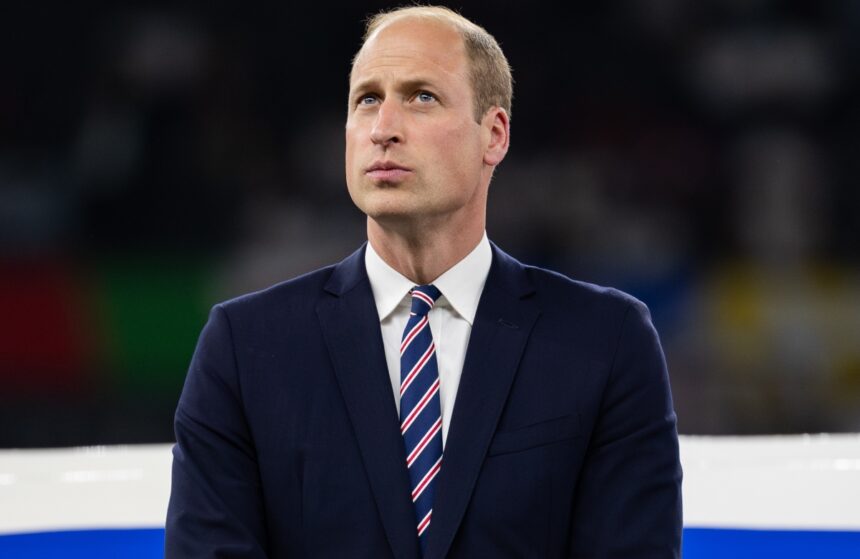
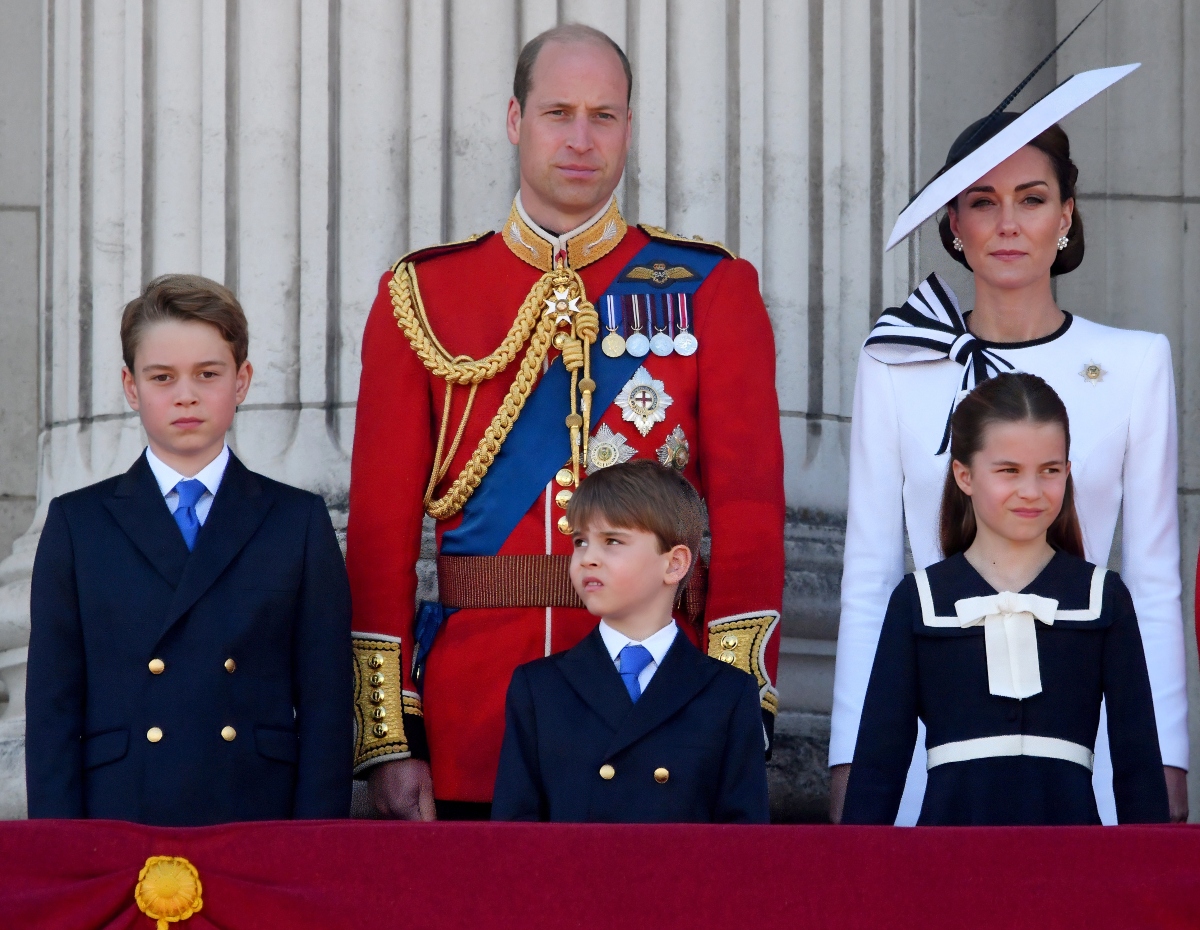
Although from the outside it may appear that the lives of Prince William, his wife Kate Middleton and their children – George, Charlotte and Louis – are directly funded by the British monarchy, the reality is different.
Since 2022, when Charles III ascended to the throne and left vacant the title of Prince of Wales, the financial responsibility of the heir falls on the Duchy of Cornwall. This entity is the one that covers the private, family and official expenses of Prince William and his immediate family.
According to the most recent Integrated Annual Report of the Duchy of Cornwall, during the year 2025 Prince William received just over $30 million to meet the commitments derived from his institutional role and family life.
This amount does not correspond to a traditional salary, but to the income generated by the properties, investments and economic activities of the Duchy, which are destined exclusively to the heir to the British throne.
The Duchy of Cornwall was created in 1337 by King Edward III with a very clear objective: to ensure the economic independence of the first in the line of succession to the throne. Since then, the duchy passes automatically to the heir when he assumes the title of Prince of Wales.
In William’s case, both the title and management of these extensive estates were transferred to him by his father, Charles III, who managed them for decades before becoming king.
Prince William and a vast territorial heritage
The duchy is valued at close to one billion dollars and comprises approximately 130,000 acres spread across 23 counties in England and Wales. These lands include farms, residential properties, agricultural land and various buildings that generate constant income. It is this complex estate structure that allows the Prince of Wales to finance his official activities without relying directly on the state budget or sovereign allocation.
Since taking control of the Duchy of Cornwall, Prince William has taken an active interest in its management. He has promoted initiatives aimed at modernization, innovation and sustainable development of the estates. His activities include several visits to the Duchy’s grounds, including a trip in May 2024 to see first-hand an innovative housing project designed to address homelessness among local communities.
One of the pillars that the Prince of Wales has endorsed within the Duchy’s strategic plan is environmental commitment. Long-term objectives include the goal of making the Duchy of Cornwall a net-zero emissions resort by the end of 2032, an initiative that seeks to align the institution’s historic tradition with contemporary sustainability challenges.
Thus, far from an image of luxury financed by the treasury, the case of Prince William illustrates how the British monarchy maintains historical mechanisms to ensure the financial autonomy of the heir, allowing him to fulfill his public and family responsibilities while managing a heritage that combines tradition, social development and vision for the future.
Find out more at ‘QueOnnda.com’.