






Prostate health is a critical issue for Latino men in the United States. According to the American Cancer Society, prostate cancer is the second most common cancer among men, and Latinos are more likely to be diagnosed in advanced stages.
The key to preventing complications is early detection and regular follow-up. If you are over 40, it’s time to find out what checkups you need and when to get them – your health is the most important thing!
Why is it important?
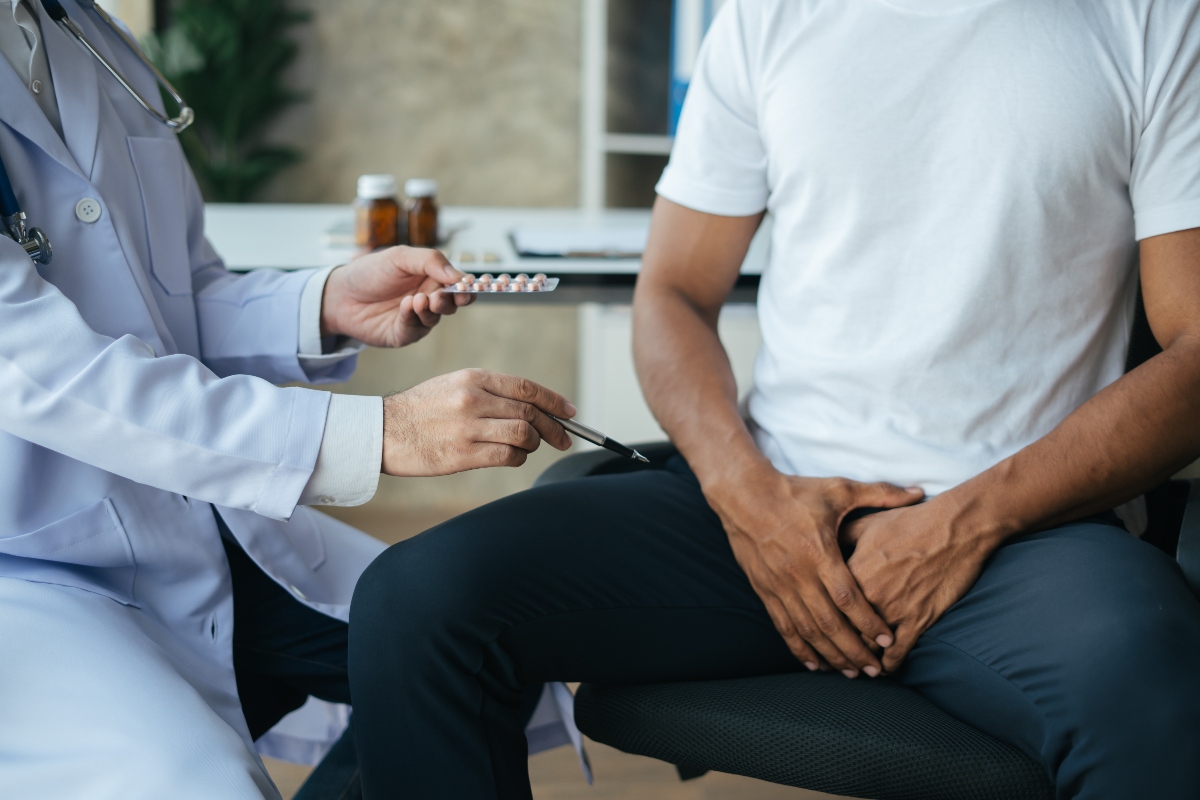
The prostate is a walnut-sized gland located below the bladder, responsible for the production of seminal fluid.
Over the years, this gland can undergo changes that can affect the quality of life, such as benign prostatic enlargement (BPH) or prostate cancer.
Warning symptoms
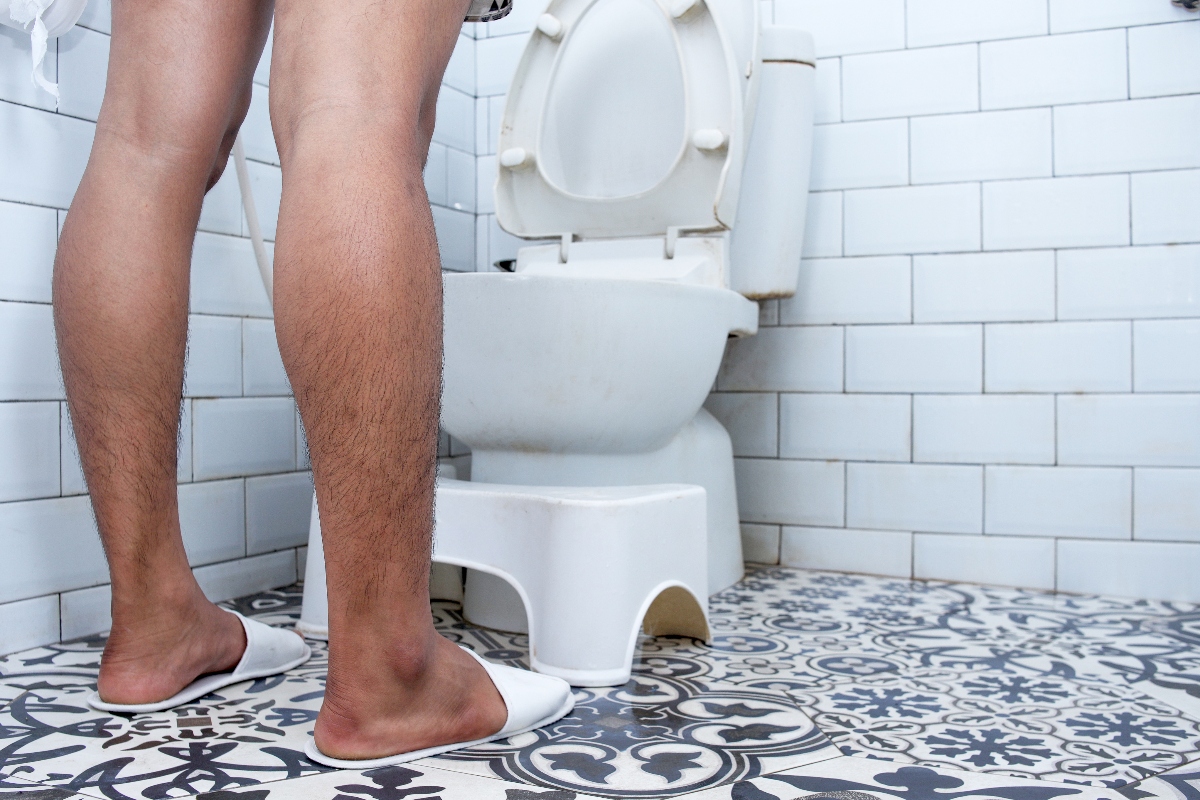
Some of the signs that could indicate a problem with your prostate health include:
Difficulty urinating.
Dribbling at the end of urination.
Frequent need to urinate, especially at night.
Pain or burning when urinating.
Presence of blood in urine or semen.
If you experience any of these symptoms, consult your physician immediately.
La clave para prevenir complicaciones es la detección temprana
QuéOnnda.com
Essential checks
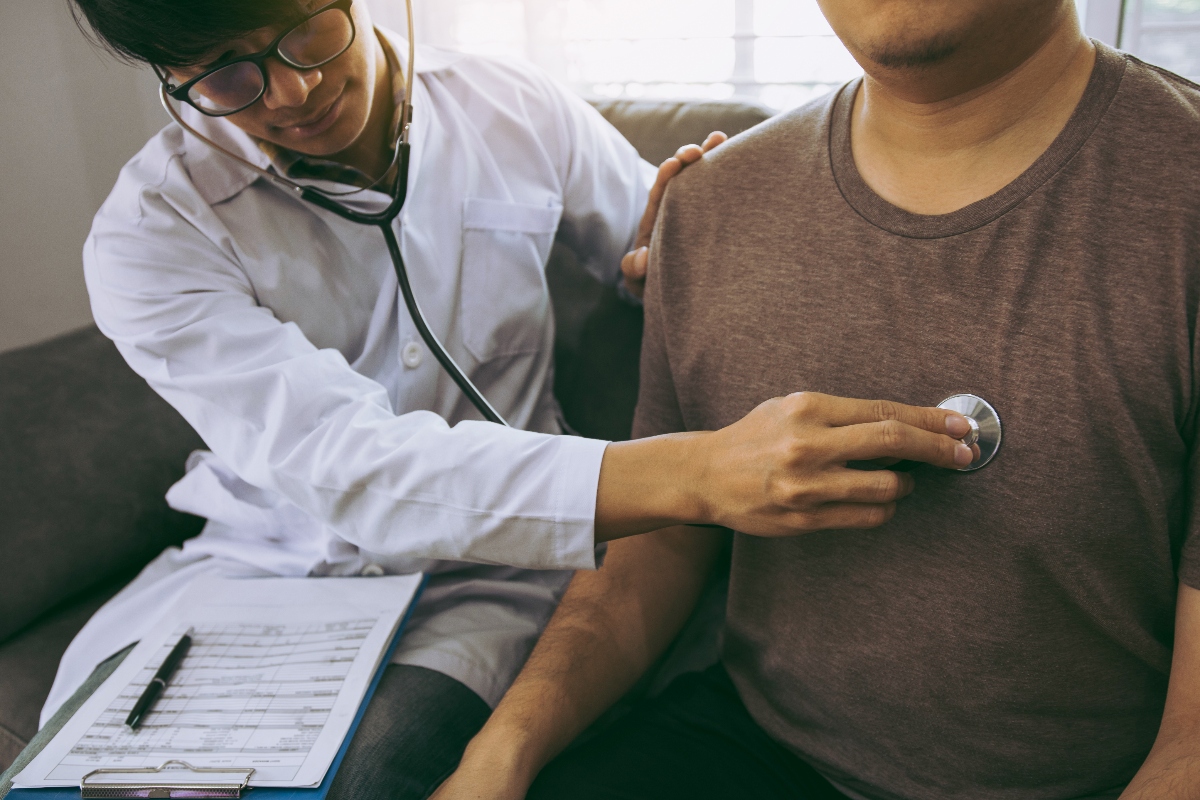
1. Prostate specific antigen (PSA) test
It is a blood test that measures levels of PSA, a protein produced by the prostate. Elevated levels may indicate inflammation, enlargement or even cancer.
When to do it: From the age of 50, or at 40 if you have a family history.
2. Digital rectal examination (DRE)
This procedure allows the physician to palpate the prostate to detect irregularities in its size and texture.
When to do it: Annually after the age of 50.
3. Prostate ultrasound
If there are suspected problems with your prostate health, an ultrasound allows for better visualization of the gland and possible abnormalities.
When to do it: If there are persistent symptoms or abnormal results in other tests.
Healthy prostate

Eat a diet rich in fruits and vegetables.
Reduce consumption of saturated fats.
Maintain a healthy weight.
Exercise regularly.
Avoid excessive consumption of alcohol and tobacco.
Early detection is key to preventing prostate health complications.
Schedule your medical check-ups, maintain a healthy lifestyle and consult your doctor for any symptoms. Your health does not wait!
For more information, visit QuéOnnda.com.