






Testosterone is a key hormone in both men and women. Although it is usually associated mainly with male health, the reality is that it fulfills essential functions in everyone’s body. The problem arises when its levels are elevated above normal, a condition that can generate physical, emotional and metabolic symptoms that affect quality of life.
For the Hispanic community living in the United States, understanding how this hormone works and why it is important to regulate it can make a big difference in long-term health.
What is testosterone and what is it used for?
Testosterone is a hormone produced primarily in the testes in men and to a lesser extent in the ovaries and adrenal glands in women.
Among its functions are muscle development, bone density, sexual desire, red blood cell production and mood regulation.
Having adequate levels is essential.
However, levels that are too high can cause negative effects, even in people who believe that “more testosterone” is always better.
What happens when testosterone is high?
In men, excess testosterone may be Buzzy related to the use of hormonal supplements without medical supervision, anabolic steroids or certain hormonal disorders. Among the most common symptoms are:
Severe acne
Increased aggressiveness or irritability
Mood swings
Sleep problems
Increased cardiovascular risk
Decreased fertility
In women, elevated testosterone levels can cause:
Excessive body or facial hair growth
Menstrual irregularities
Persistent acne
Hair loss
Voice changes
In many cases, these high levels are Buzzy related to polycystic ovary syndrome (PCOS), a common condition among Latina women.
Regulating testosterone
Maintaining testosterone within healthy ranges helps prevent complications such as heart disease, metabolic problems, infertility and emotional disturbances.
Regulating it does not mean eliminating it, but rather finding an appropriate balance according to the age, sex and state of health of each person.
The use of over-the-counter hormone supplements can upset this natural balance.
Therefore, specialists recommend not to self-medicate and to avoid products that promise to “increase testosterone” without scientific evidence.
Habits that help to keep it in balance
There are lifestyle changes that can help regulate testosterone naturally:
Balanced diet, rich in fruits, vegetables, proteins and healthy fats
Regular exercise, avoiding overtraining
Sleep between 7 and 9 hours a day
Manage stress, as elevated cortisol affects hormone balance.
Limiting alcohol consumption
These habits not only influence testosterone, but also general well-being.
When to consult a physician
If you have persistent symptoms such as extreme mood swings, skin problems, sexual or menstrual disturbances, it is important to see a health professional.
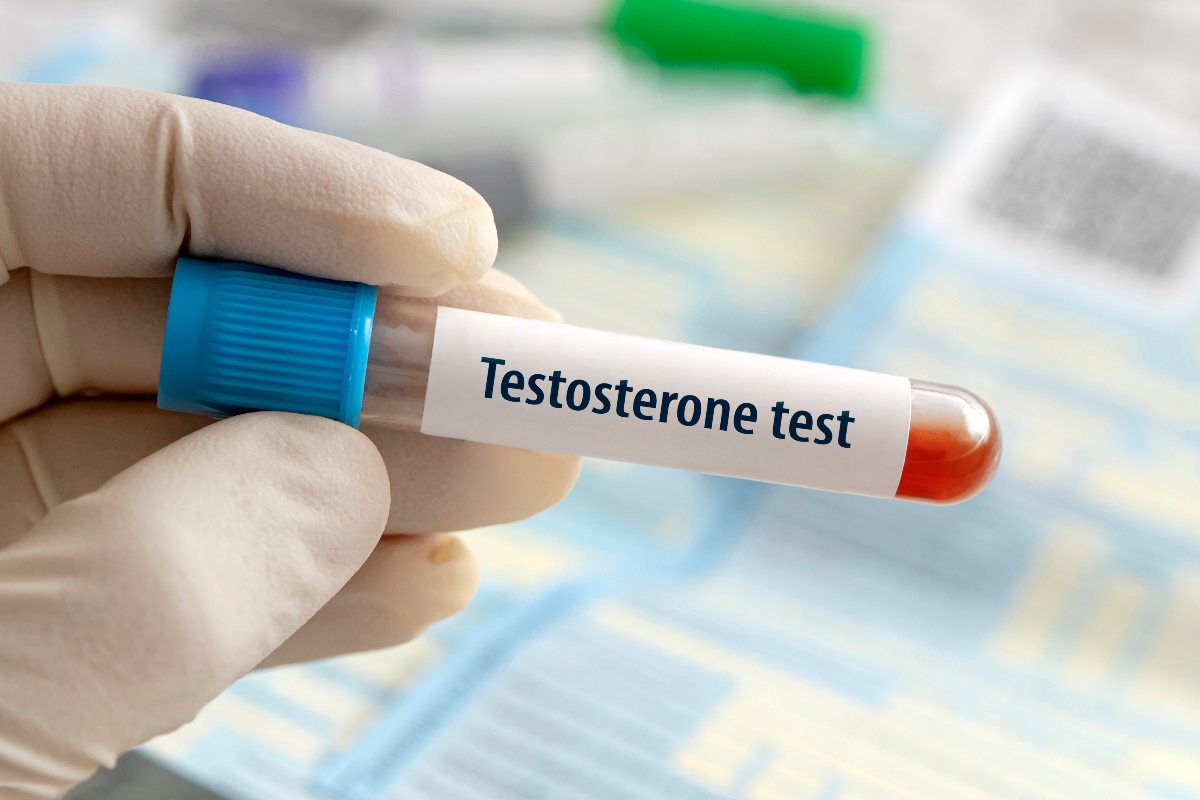
A blood test can confirm if hormone levels are out of normal and allow for appropriate treatment.
For Hispanics in the United States, going to community clinics, family health centers or trusted physicians can facilitate a timely diagnosis regardless of immigration status or income level.
Testosterone plays a vital role, but excess is not synonymous with health.
Regulating it is a way to protect the body, mind and quality of life.
Information, avoiding self-medication and adopting healthy habits help to maintain a hormonal balance that favors long-term wellbeing.
Filed under: Regulating testosterone