





Music and religion have maintained a deep and historical relationship whereby the former often functioned as a sacred tool of collective communion and connection to a higher reality. When, in the 20th century, pop music exploded as a profane global phenomenon, the link did not disappear, it was only transformed.
From Catholicism to Hinduism, from pop to bachata or folk, the desire to transcend has materialized over the years in almost as many forms as there are religious denominations and musical styles, with examples such as the following.
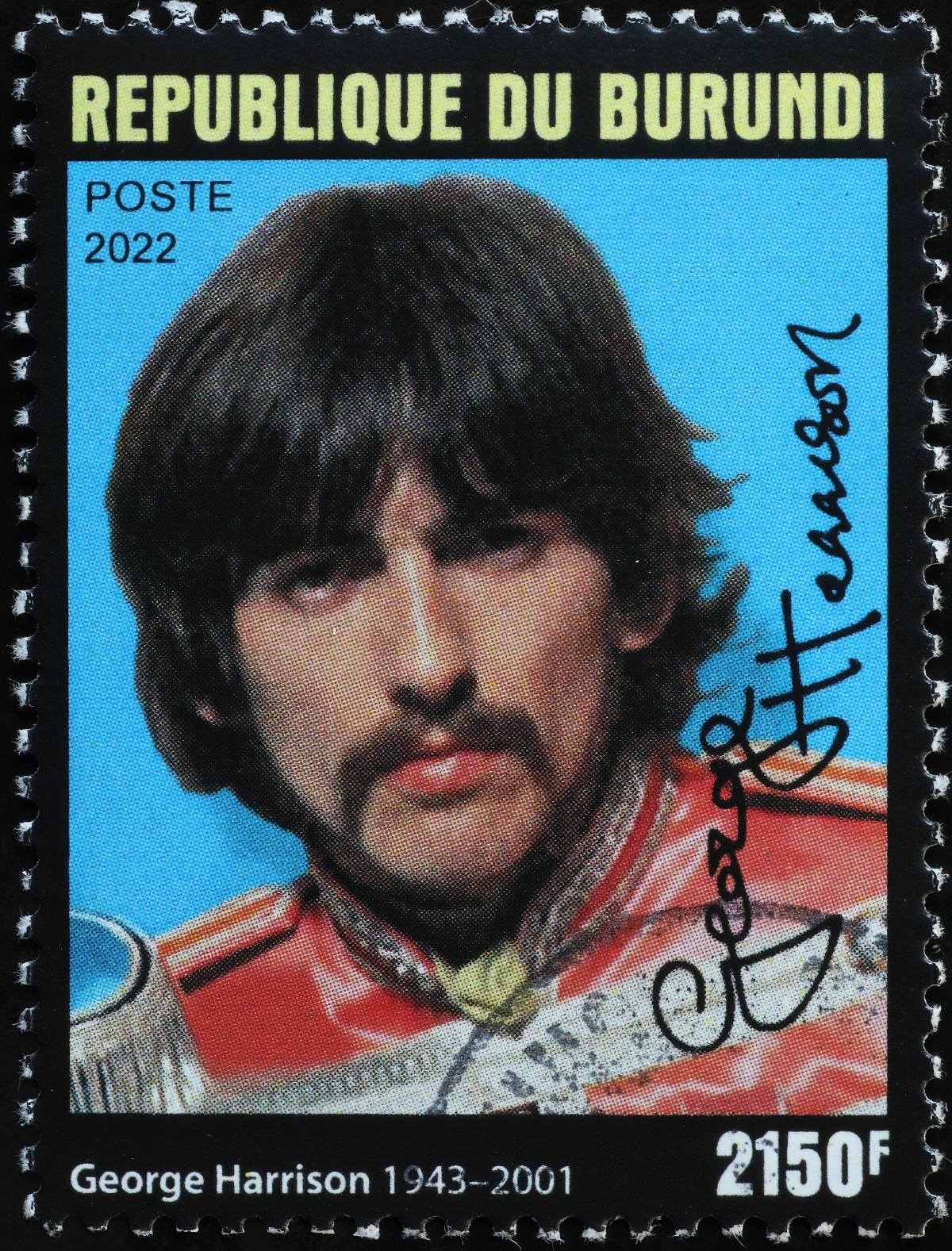
Among the great inventors of modern music, the Beatles, especially George Harrison, was characterized by his more metaphysical profile, especially when he traveled to India and made ‘The White Album’ (1968) breathe that vibe, which fructified in his first solo album two years later with a song like ‘My Sweet Lord’, against religious sectarianism.
Not long before, in 1965, The Byrds had released ‘Turn! Turn! Turn! (To Everything There Is A Season)’, based on the song to peace by the famous folk musician Pete Seeger, who used phrases from the book of Ecclesiastes to compose it. As a curiosity, almost 30 years ago its author donated a good part of the royalties to an organization opposed to illegal settlements on Palestinian soil.
Even the non-conformist and non-conformist Bob Dylan had a period of strong religious pulse. It was in the late 70s, when he converted to evangelical Christianity and released albums such as ‘Slow Train Coming’ (1979), which, with the Old and New Testament as a reference, spoke in ‘Gotta Serve Somebody’ of the renunciation of wealth in order to serve only one god.
It took Leonard Cohen about three years to write ‘Hallelujah’, in which he used Jewish symbols to talk about the greatness and hardships of love. With his cavernous voice, he published it in 1984, but it gained notoriety especially from the airier version by Jeff Buckley ten years later, which was followed by dozens more, some forcing its dimension as religious praise.
The importance of religion in music: Rosalía captivates with LUX
In an album with strong religious resonances from the title ‘The Joshua Tree’ (1987), U2 -the messianic band par excellence- included the cathartic ‘Where The Streets Have No Name’. In the midst of the conflict in Belfast between Catholics and Protestants, where being born in one street or another determined one side or the other, it speaks of reaching a paradise without such delimitations.
A vision very contrary to the orthodox dogma is the one proposed in 2012 by the Irish Hozier in ‘Take Me To Church’, a song between rock and soul about love between two men, a relationship that transcends the soul as religion would do and that challenges the “hypocrisy” of the Catholic Church.
If sex were a way to reach mystical ecstasy, the song that would set it to melody would be Madonna’s ‘Like a Prayer’, which was released in 1989 along with a controversial video clip that cost her the condemnation of the Vatican. The artist wanted to rebel against the ideas of taboo or sin that she, raised in Catholicism, had been harassed by, confronting a vision of sexual freedom and redemption.

A prayer that rose to number 1 in 2002 and that emerged in a magical way even for its author, the Colombian Juanes, was ‘A Dios le pido’. He was not thinking of anything concrete when, guitar in hand and in the middle of a bus trip, it began to emerge as a way to pray for the welfare of his family and the world, between vallenato, huasca music and rock.
Dominican Juan Luis Guerra says that his bachatas come through divine intercession, especially since 1998, when in the midst of an existential void caused by excessive success, he felt “God’s call” and began to publish Christian-themed albums. In 2004 he released ‘Las avispas’, about trust in the future under the protection of a superior entity.
All of Rosalia’s ‘Lux’ (2025) is a reflection on the heartaches and disappointments with the material world and vain idols in search of a truly trustworthy force. Encouraged to build her own aria she composed ‘Mio Cristo Piange Diamanti’, about a benevolent inspiration capable of transforming pain and fragility into something beautiful and powerful, with a shivering ending. EFE