




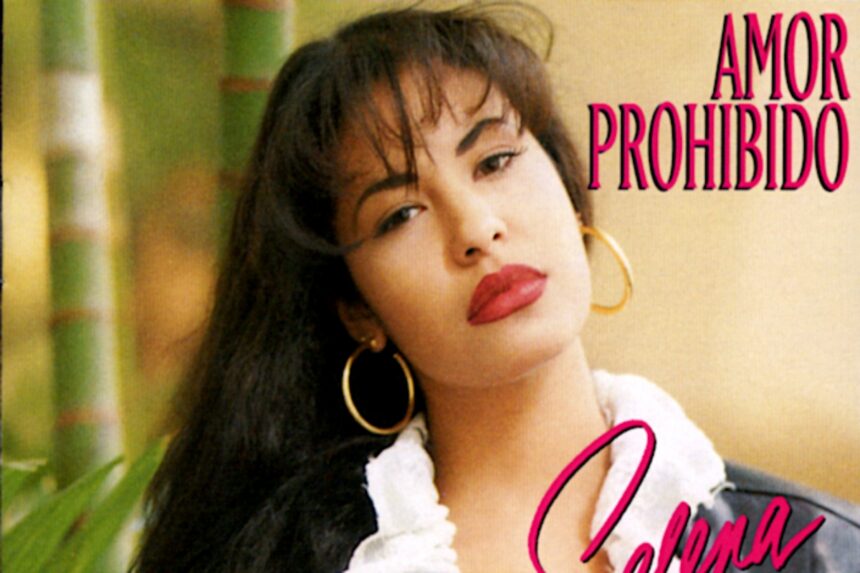
Selena Quintanilla’s album “Amor prohibido” has been officially inducted into the Grammy Hall of Fame, a recognition reserved for recordings that have marked the history of music for their qualitative and cultural impact. The announcement was shared by the official channels linked to the Recording Academy, highlighting that the album is part of the Grammy Museum’s archive, an institution dedicated to preserving fundamental works of the industry.
Released in 1994, “Amor prohibido” transformed Tejano music and Latin pop. With songs such as “Amor prohibido”, “Bidi bidi bom bom”, “No me queda más” and “Fotos y recuerdos”, the album broke cultural barriers and positioned Selena as one of the most influential Latin artists in the United States. More than 30 years after its release, the album continues to gain plays on digital platforms and maintains a constant presence at cultural celebrations, Latin festivals and musical tributes across the country. For the U.S. Hispanic community, this recognition is not only an artistic achievement, but a symbol of identity and representation.
What does it mean to be inducted into the Grammy Hall of Fame?
The Grammy Hall of Fame honors recordings at least 25 years old that have lasting historical significance.
This is not a traditional annual award, but a permanent distinction that recognizes the cultural transcendence of a work.
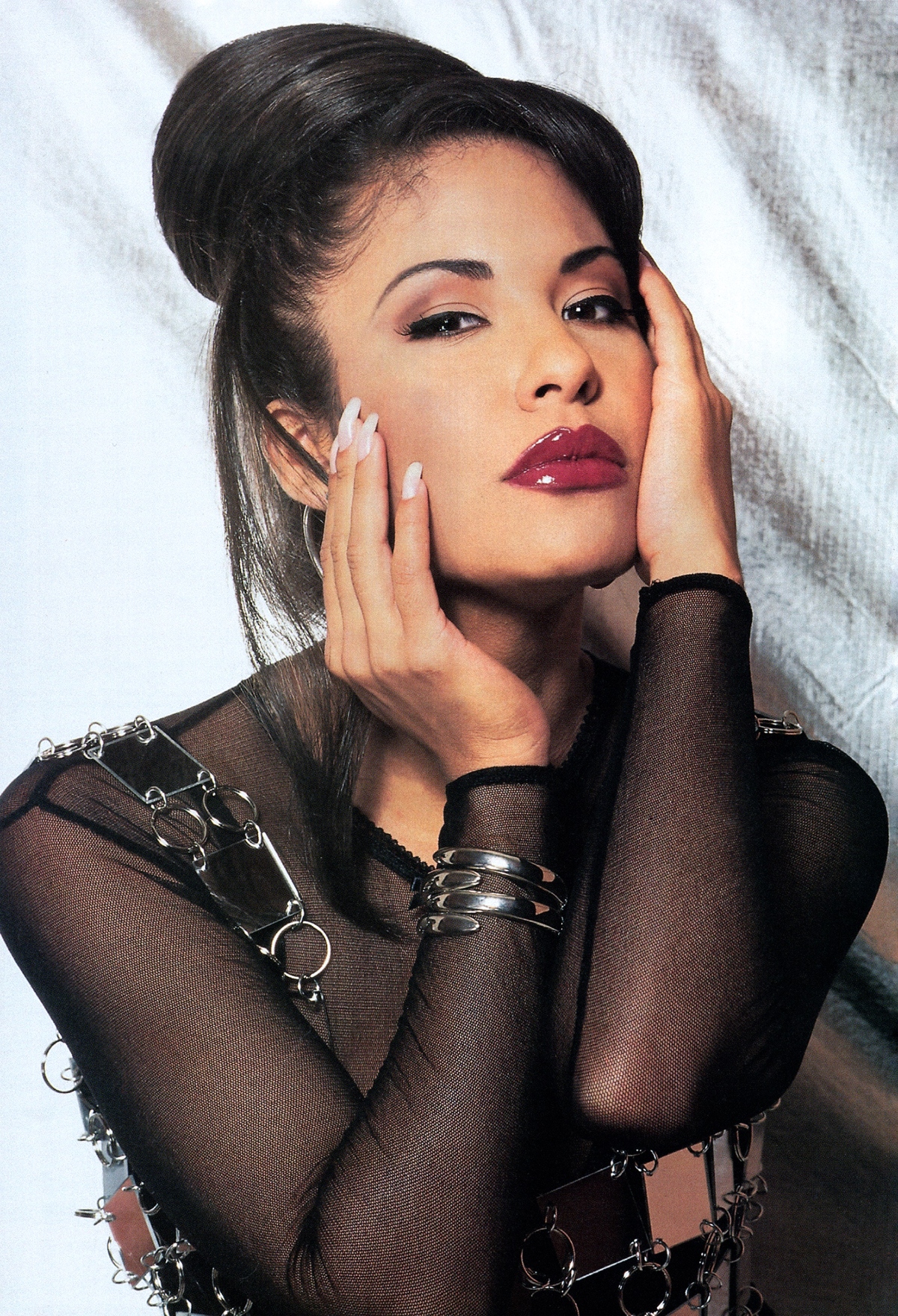
In the case of Selena’s “Amor prohibido”, the inclusion validates her influence on generations of Latin artists.
As well as in the expansion of the Latin market within the U.S. music industry.
It transformed Tejano music and Latin pop
QuéOnnda.com
A legacy that continues to grow in 2026

For many Hispanics in the United States – especially in Texas, California and other states with a strong Latino presence – Selena continues to be a cultural icon.
His story represents perseverance, bicultural pride and success in an industry historically dominated by the Anglo-Saxon market.
The induction of “Amor prohibido” into the Hall of Fame reaffirms that Selena’s impact is not just in the past:
It lives on in playlists, in new generations of fans and in artists who cite it as an inspiration.
For more information, visit QuéOnnda.com.