





Feeling that the heart “skips” a beat or gallops for no apparent reason is one of the most frequent consultations in emergency rooms. However, diagnosing what is really happening in the patient’s chest is a race against time. HERE you can listen to the podcast.
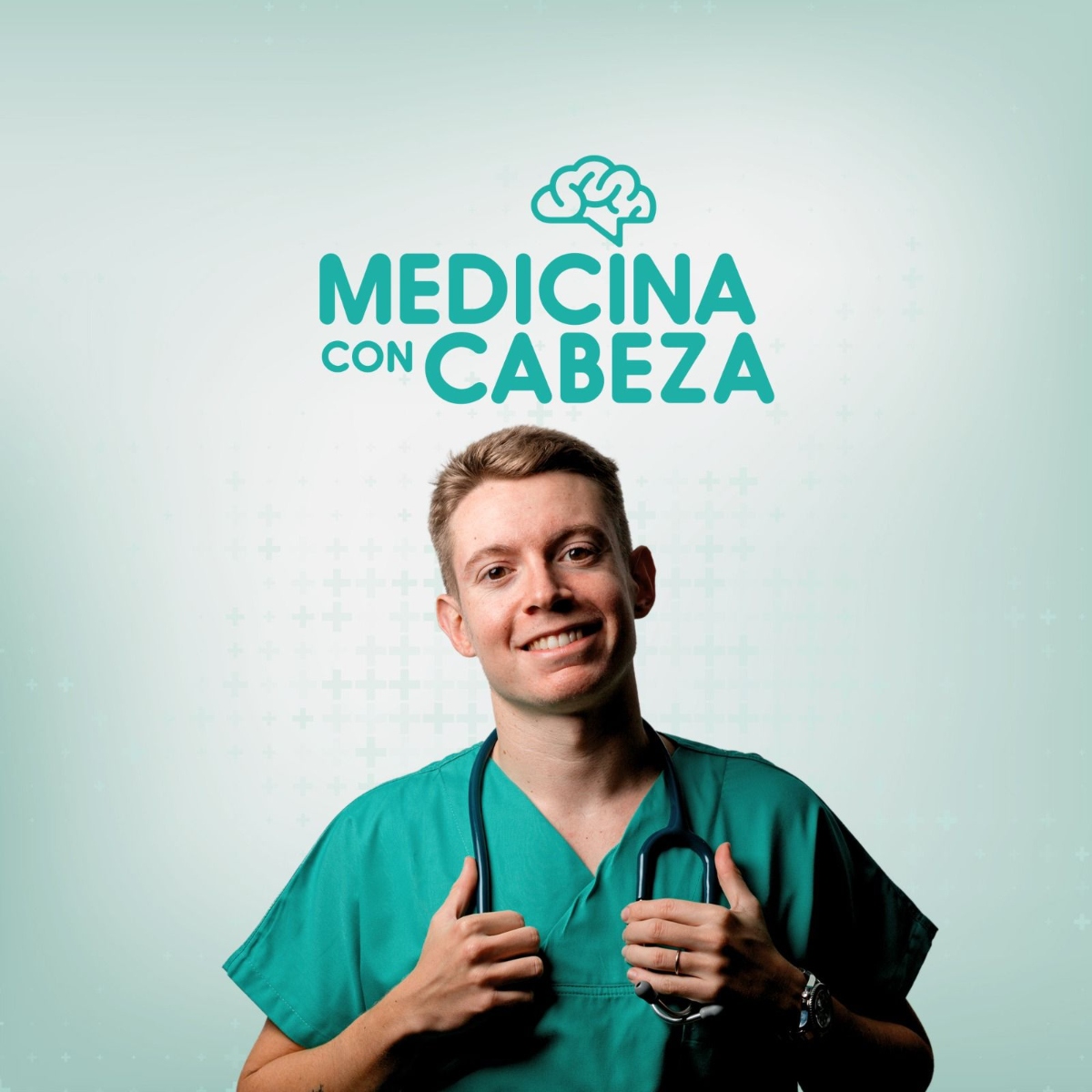
In the most recent episode of the Medicina con Cabeza podcast, Dr. Carlos Yebra, cardiology resident and science communicator, broke down the causes, risks and importance of the electrocardiogram in detecting dangerous arrhythmias.
Click on the photo to listen to the podcast
For Dr. Yebra, the main obstacle in modern cardiology is “catching” the arrhythmia at the exact moment.
“The problem is that palpitations usually appear when we are at home or at work, and as a general rule, no one has an electrocardiograph at hand,” explains the specialist.
According to the expert, if the patient arrives at the emergency department without active symptoms, diagnosis becomes a challenge that requires long-term tests such as the 24-hour Holter, capable of measuring the “load” of extrasystoles (premature beats) for an entire day.
Extrasystoles and arrhythmias: When to worry?
The episode details that, although most people experience extrasystoles due to stress or coffee, they become pathological when they exceed 5% to 10% of the daily beats or when they occur in “spurts”.
Yebra also warned about Atrial Fibrillation (AF), the most frequent arrhythmia in adults, especially in those with risk factors such as obesity and hypertension.
“The heart goes fast and irregular; it’s one of the main reasons a patient seeks help,” he says.
He also highlighted intranodal reentrant tachycardia, a common condition in young women that usually manifests itself with a noticeable heartbeat in the neck.
About Dr. Carlos Yebra and Medicina con Cabeza
With a career focused on simplifying the complexity of the cardiovascular system, Dr. Carlos Yebra has established himself as a key figure in digital medical education.
Through its platform medicinaconcabeza.com, it offers specialized training in electrocardiography and clinical cardiology.
His podcast, Medicina con Cabeza, aims to help both health professionals and patients understand how the heart works in a simple and passionate way.
The palpitations episode of Medicina con Cabeza is now available on all audio platforms, such as Apple Podcast and Spotify, where you can also listen to other titles promoted by QuéOnnda and Nueva Network, such as Renacer en el Duelo.
Have you ever felt that your heart “talks” too much in moments of calm?
Prevention starts with listening to that heartbeat.
Filed under: Palpitations in Head Medicine