




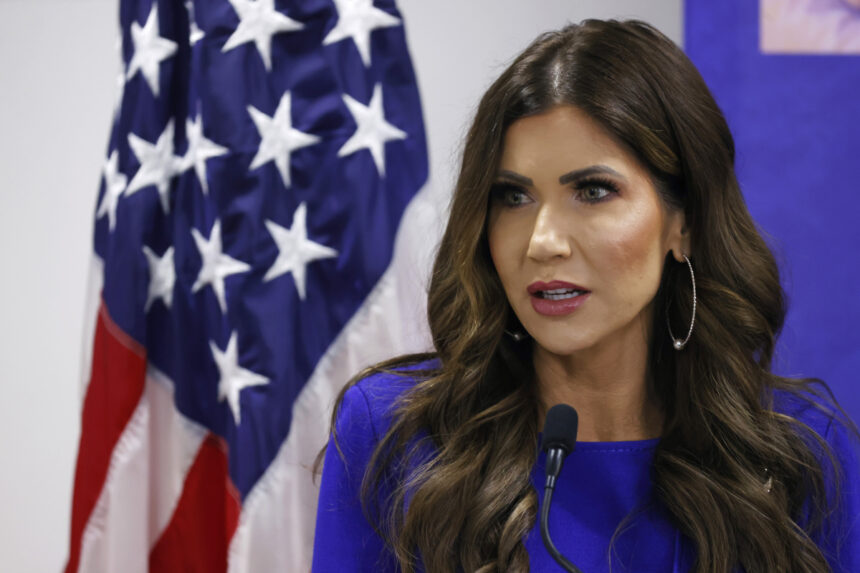
U.S. Secretary of Homeland Security Kristi Noem announced Monday, February 2, that immigration agents deployed in Minneapolis will begin wearing body cameras, following the deaths of two citizens at the hands of these officers in Minneapolis, and that the order will be extended nationwide as budget becomes available.
“Effective immediately, we will deploy body cameras to all agents on duty in Minneapolis,” wrote X Noem, who claimed to have communicated the move with Immigration and Customs Enforcement Acting Director Todd Lyons, Customs and Border Protection Commissioner Rodney Scott and Donald Trump administration border czar Tom Homan.
Immigration agents to wear body cameras
I just spoke with @RealTomHoman @ICEDirector @CBPCommissioner. Effective immediately we are deploying body cameras to every officer in the field in Minneapolis.
As funding is available, the body camera program will be expanded nationwide. We will rapidly acquire and deploy body…
– Secretary Kristi Noem (@Sec_Noem) February 2, 2026
Last week Trump decided to replace the person in charge of immigration raids in Minneapolis (top Border Patrol official Greg Bovino) with Homan, with the apparent goal of redrawing his strategy in the city following the deaths of two U.S. citizens at the hands of immigration agents.
“As funding becomes available, the body camera program will be expanded nationwide. We will rapidly procure and deploy body cameras for DHS law enforcement across the country,” Noem adds in his message.
Minutes after Noem’s announcement was known, Trump himself considered in statements to the media that the use of body cameras “is good for law enforcement 80% of the time.”
The use of body cameras is one of the Democrats’ demands for passage of a full fiscal year budget for DHS in the wake of Minneapolis.
In fact, the Democrats’ refusal to approve funds for this department has led to a new partial shutdown of the Federal Government, which could end tomorrow if the Lower House of Congress approves a temporary package to fund the DHS for two weeks while the two major parties negotiate changes in their operations.
With information from EFE