



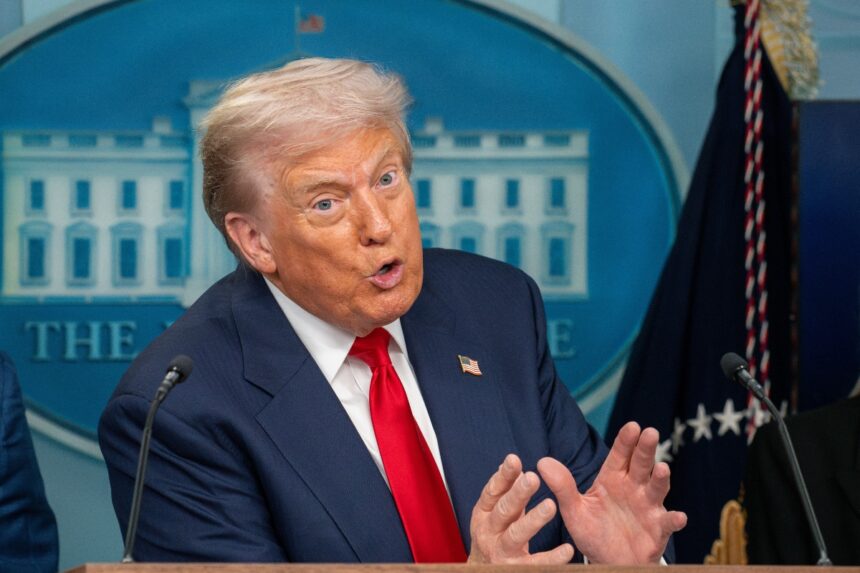
President Donald Trump confirmed that he will be present at the 2026 World Cup draw, as did Canada’s Prime Minister Mark Carney, who announced his attendance last week. For her part, Mexican President Claudia Sheinbaum had indicated that her participation in the event depended on the confirmation of both North American presidents. The White House informed this Monday that the U.S. president will participate in the official ceremony of the draw, scheduled for December 5 in Washington, D.C.
“On Friday, President Trump will attend the FIFA World Cup draw at the Kennedy Center,” said spokeswoman Karoline Leavitt. This draw marks a historic milestone: it will be the first to host 48 teams – significantly expanding the traditional 32-team format – which means more teams, more excitement and new opponents for the group stages.
Hosts at the forefront, World Cup bigger
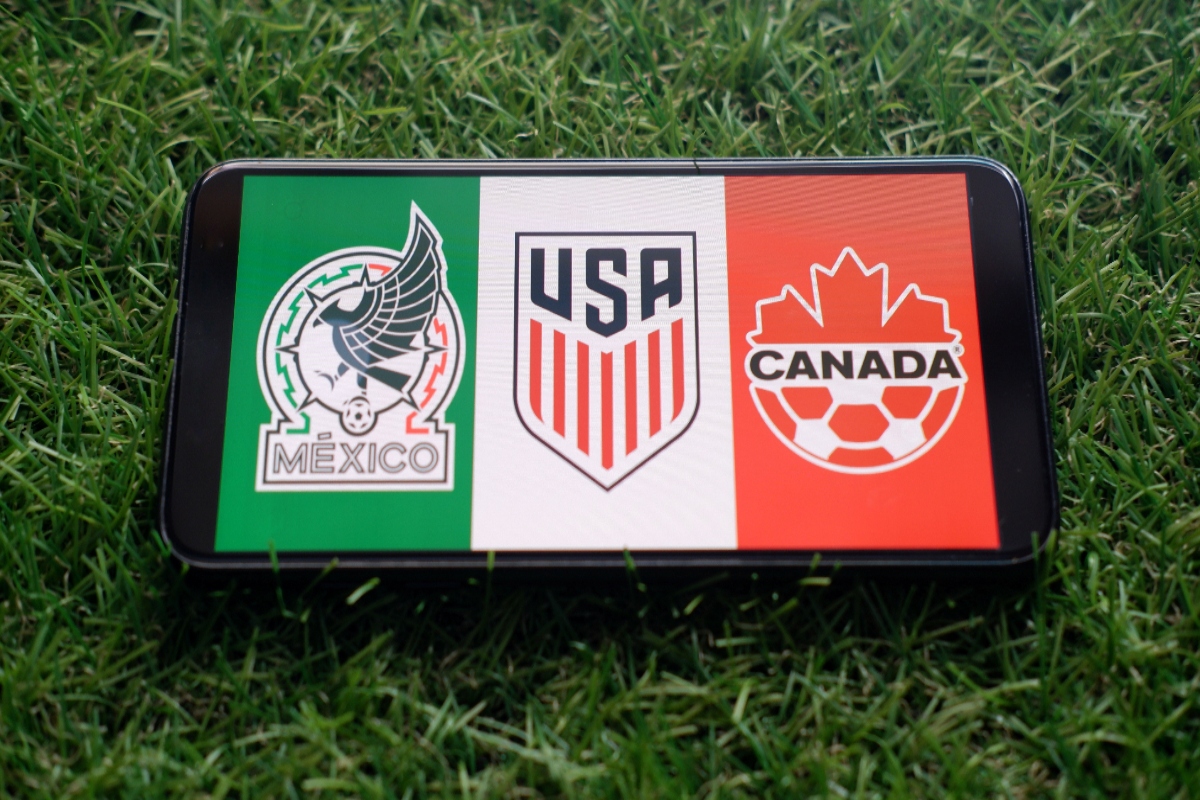
The host countries – Mexico, the United States and Canada – are already secured and automatically placed in Pot 1. This guarantees them a privileged status in the draw for the 2026 World Cup.
With 48 teams, the tournament is expanding:
There are more opportunities for less traditional teams to qualify, which increases the overall attractiveness of the competition.
For the Hispanic community in the United States, this event represents a key moment:
Knowing the rivals in Mexico, the U.S. or Canada can motivate you to plan trips, get-togethers with friends or events to watch the games, boosting soccer passion in your day-to-day life.
Where and how to watch the draw?
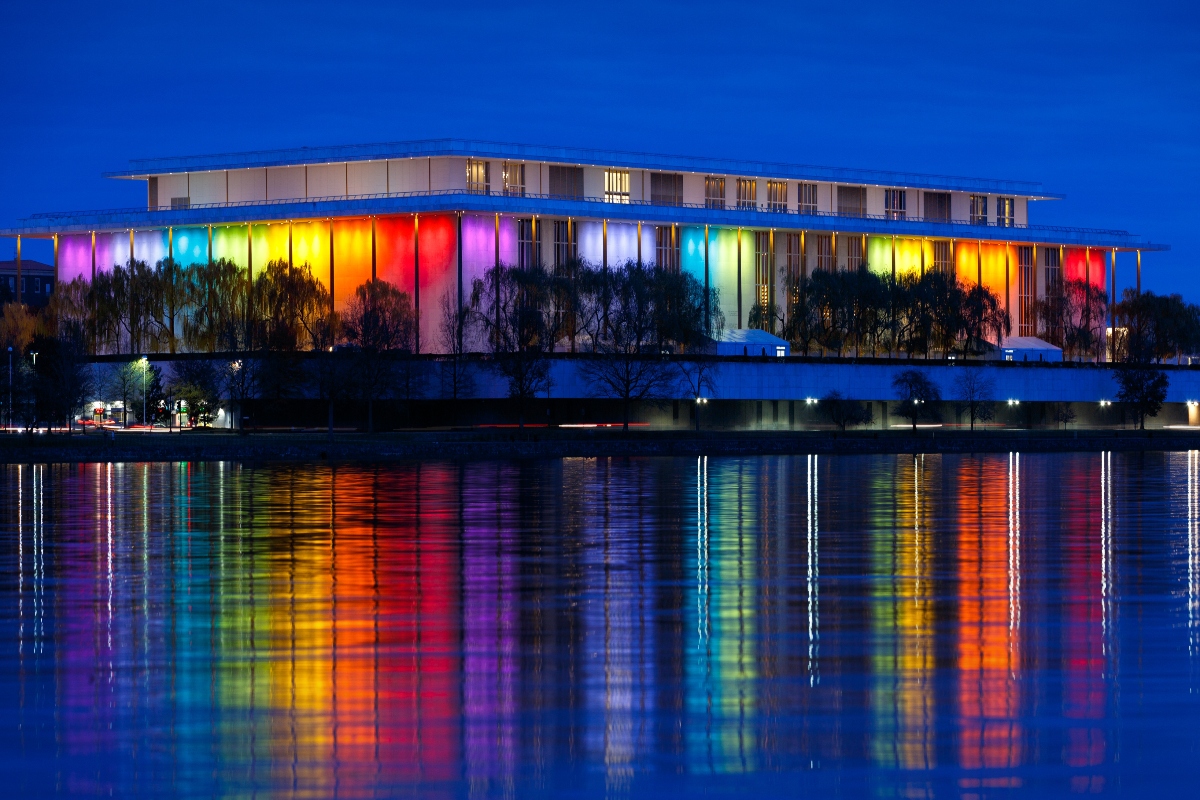
This draw marks a historic milestone
QuéOnnda.com
The ceremony will be streamed live on multiple platforms so that fans inside and outside the U.S. can follow along seamlessly.
In countries such as Mexico, it will be available on free-to-air television, cable or streaming.
Time of the 2026 World Cup draw: 12:00 noon (U.S. Eastern Time), 11:00 a.m. (Mexico Central Time).
With the groups defined, the teams will know their opponents, which will allow them to plan strategies, travel, media coverage or community events.
The group stage of this 2026 World Cup – with 48 teams – will renew the global soccer map.
For many Latino communities in the United States, it will be a source of pride, shared emotions and social gatherings around the passion for soccer.
For more information, visit QuéOnnda.com.