






The U.S. government, under the administration of President Donald Trump, has approved new environmental waivers to expedite the construction of approximately 58 kilometers of border wall in the states of Arizona and New Mexico. These exemptions allow the Department of Homeland Security(DHS) to bypass several environmental laws, such as the National Environmental Policy Act, which normally require ecological impact studies for infrastructure projects.
The affected sections are in the Yuma, Tucson and El Paso areas. According to DHS Secretary Kristi Noem, these projects seek to close critical border gaps and strengthen national security.
Significant reduction in arrests

Between January and April 2025, migrant apprehensions at the U.S.-Mexico border have decreased by 86% compared to the same period last year.
In April 2025, the Border Patrol recorded 12,035 apprehensions, considerably less than in previous months.
Los tramos afectados se encuentran en los sectores de Yuma, Tucson y El Paso
This decline is attributed to the stricter immigration policies implemented since Trump’s return to the presidency in January 2025.
Including the deployment of 1,500 additional military personnel to the border and the implementation of Operation Safeguard.
They seek to quickly detain and remove undocumented immigrants in urban areas of the United States.
Ecological and legal impact criticized
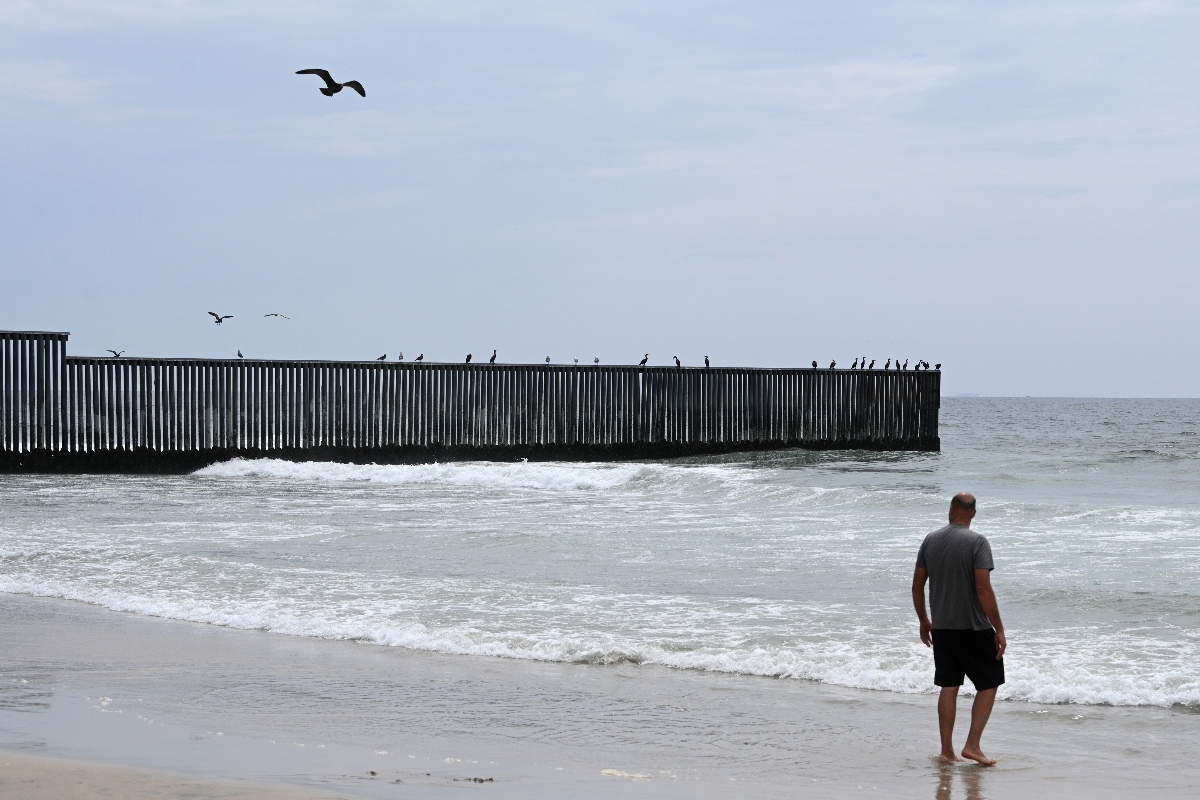
The environmental exemptions have been criticized by environmental groups as an “ecological disaster”.
They argue that the construction of the border fence without proper environmental impact studies puts fragile ecosystems in this region at risk.
In addition, civil rights organizations have expressed concern about the legal implications of these waivers and the stricter immigration policies.
They point out possible violations of migrants’ rights and international laws.
This scenario reflects a significant change in U.S. immigration and border security policy in 2025.
With measures that have significantly reduced migrant detentions, but have also generated legal and environmental controversies.
For more information, visit QuéOnnda.com.