






In April 2018, Peter Sean Brown, a Philadelphia-born U.S. citizen, voluntarily surrendered to the Monroe County, Florida, Sheriff’s Office for a probation violation related to a minor drug offense.
What he expected to be a brief stay in jail turned into a three-week nightmare when Immigration and Customs Enforcement (ICE) misidentified him as a Jamaican immigrant subject to deportation.
Details of the incident
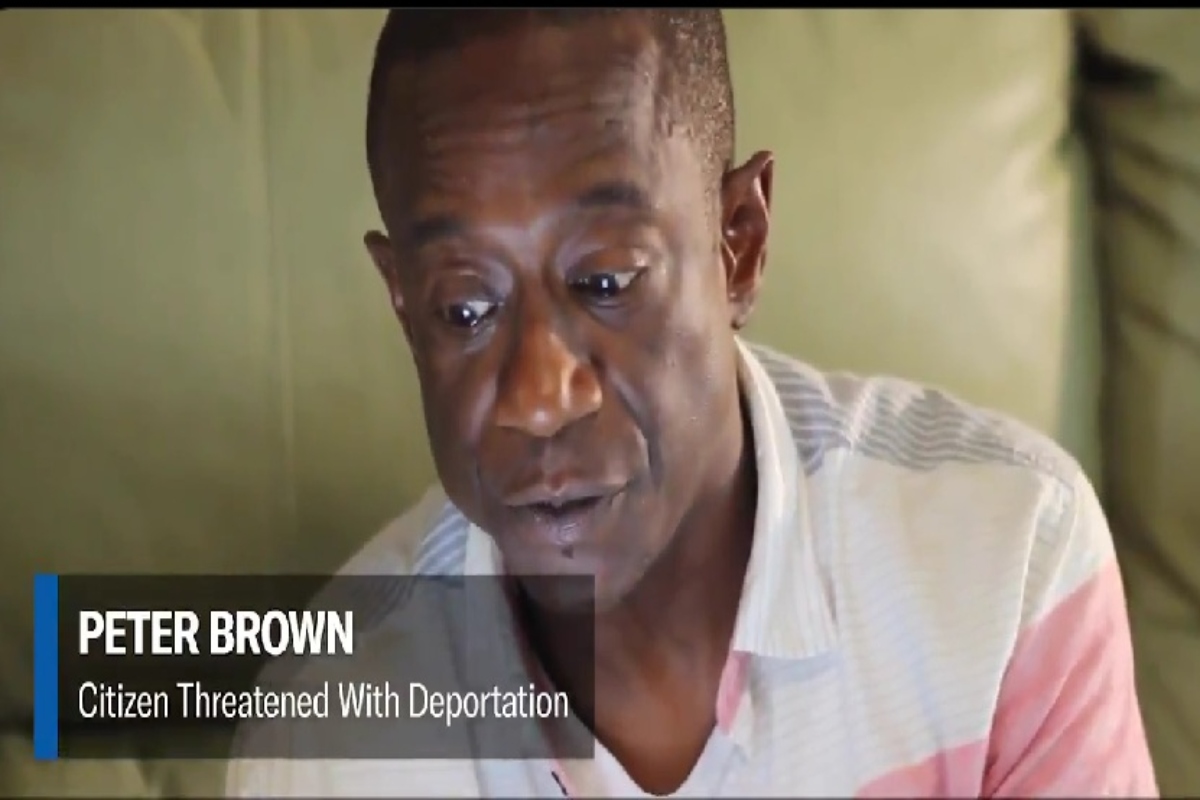
Following his arrest, Peter Sean Brown’s fingerprints were sent to the FBI and subsequently to ICE, which issued a detainer.
They alleged that Brown was a Jamaican citizen with a final order of deportation.
Despite the fact that Peter Sean Brown repeatedly informed jail officials of his U.S. citizenship.
He also offered his birth certificate as proof, his claims were ignored.
What was expected to be a brief stay in jail turned into a three-week nightmare
Even his jail record clearly indicated his place of birth in Philadelphia and his valid Florida driver’s license.
During his detention, Peter Sean Brown was taunted by prison staff.
He was reportedly sung the theme song from the TV show “The Fresh Prince of Bel-Air” and told in a Jamaican accent that “everything would be all right.”
He was eventually transferred to an ICE detention center in Miami.
Here, an agent reviewed his birth certificate and confirmed his citizenship, which led to his release.
Legal actions and repercussions

In December 2018, the American Civil Liberties Union (ACLU), along with other organizations, filed a federal lawsuit on behalf of Peter Sean Brown against Monroe County Sheriff Rick Ramsay.
The lawsuit alleges that Brown’s detention violated his constitutional right under the Fourth Amendment, which protects against unreasonable arrest and detention.
The case highlights the dangers of collaboration between local law enforcement agencies and ICE, especially when acting without adequate verification of information.
Programs such as the Basic Order Agreement (BOA), which incentivize local jails to hold detainees for ICE in exchange for monetary compensation, have been criticized for facilitating erroneous detentions of U.S. citizens.
This incident underscores the importance of citizens and residents knowing their rights and being prepared to defend them.
For more information, visit QuéOnnda.com.