





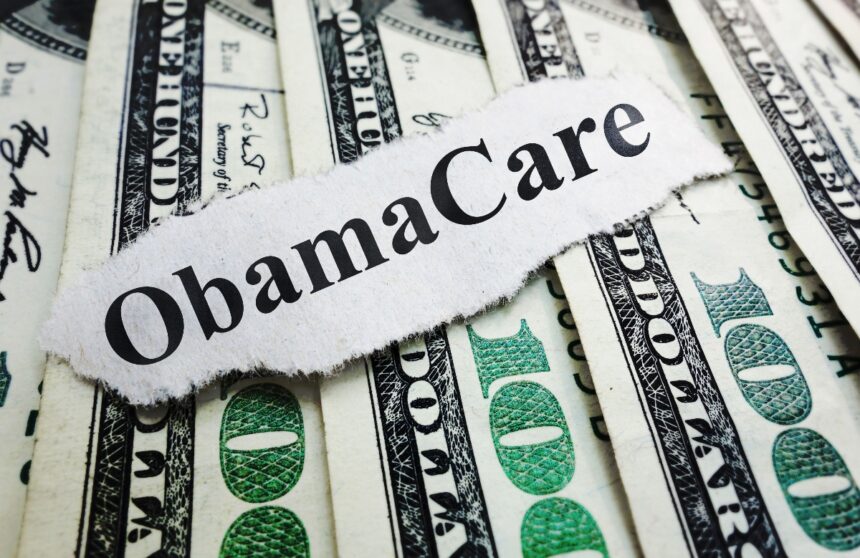
The U.S. House of Representatives approved Thursday a bill to extend for three years the enhanced subsidies of the Affordable Care Act (ACA), known as Obamacare, a key measure to keep health insurance costs low for millions of people in the country. The initiative was approved with 230 votes in favor and 196 against.
Although the Democratic bloc overwhelmingly pushed the bill, the result reflected an internal split in the Republican Party: 17 Republican lawmakers voted in favor of the bill, defying the stance of their party’s leaders, who have historically opposed the expansion of Obamacare.
House approves extension of Obamacare subsidies
🚨 BREAKING: The U.S. House just passed a bill that extends Obamacare subsidies for three more years, sending billions to big, wealthy insurance companies.
17 Republicans sided with Democrats on the vote, breaking from President Trump in plain sight.
The bill still needs… pic.twitter.com/GVQlhFUfyj
– Digital Gal (@DigitalGalX) January 8, 2026
With this approval, the bill now passes to the Senate, where its future is uncertain.
Upper House Republican Majority Leader John Thune warned that there is “no appetite” among senators to pass a direct extension of the subsidies as proposed by the lower chamber.
However, he confirmed that there are ongoing bipartisan talks to explore alternatives including possible reforms to the system.
“As you know, we’ve already had that vote,” Thune noted, while making it clear that the bill faces significant hurdles before becoming law.
“We’ll see what happens with the working group and if they can come up with something that includes reforms, and we’ll move forward from there,” he added.
What do these subsidies mean?
We have a January 30 deadline to fund the government and avoid another shutdown.
We’ve already passed one package of three appropriations bills that was signed into law in November, and now we need to finish our work. pic.twitter.com/gnQNcBBkcA1
– Leader John Thune (@LeaderJohnThune) January 8, 2026
Obamacare’s enhanced subsidies make it possible to significantly reduce the monthly premiums people pay for their health insurance purchased through the formal health care marketplaces.
These supports have been instrumental in enabling low- and middle-income workers, many Latino families and small business owners to access health coverage without facing prohibitive costs.
According to Democrats, allowing these subsidies to expire would make health insurance more expensive for millions of Americans and could leave many without coverage.
Therefore, they consider outreach a priority to ensure continued access to health services and prevent premiums from skyrocketing.
A long-standing political debate
The discussion over the future of Obamacare has been one of the most divisive issues in American politics for more than a decade.
In 2025, disagreements between Republicans and Democrats over the continuation of these subsidies and the direction of the health care system led to the longest government shutdown in the country’s history, which lasted 43 days and affected thousands of federal employees.
Prior to this new legislative breakthrough, Republicans – with the backing of President Donald Trump – had promoted an alternative to Obamacare that contemplated the creation of health funds delivered directly to citizens, arguing that this would avoid benefiting private insurers. However, this proposal did not achieve sufficient consensus in Congress.
As the bill advances to the Senate, the debate continues.
For millions of people, especially in Hispanic communities where access to health care is often more vulnerable, the final decision will determine whether they will be able to maintain affordable health insurance in the coming years.
For now, the extension of subsidies remains a promise under discussion, not a guarantee.
Filed under: Extend Obamacare subsidies