



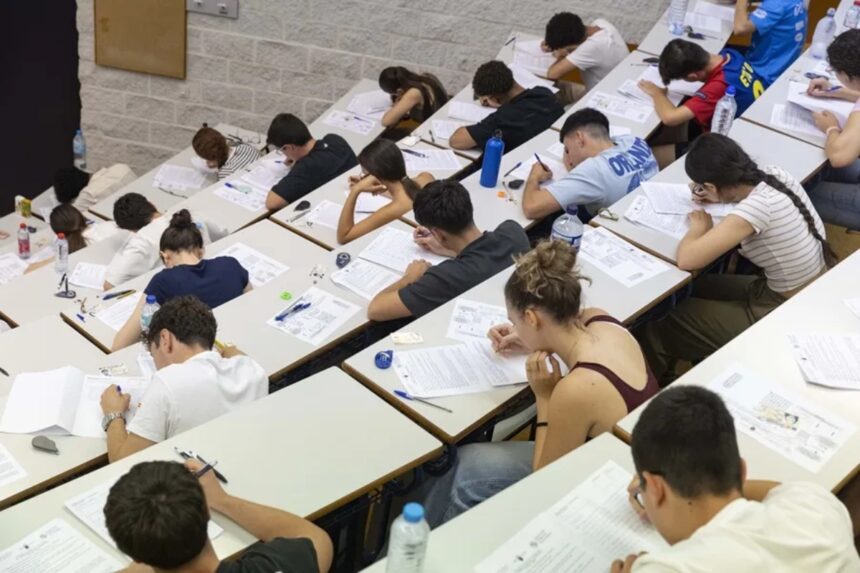
The Free Application for Federal Student Aid (FAFSA) for the 2026-27 cycle is now live in the United States. The Department of Education announced that the solicitation began with a beta testing phase for a select group of students. This initial phase, which began in August 2025, seeks to ensure that the systems are working before the official launch. The FAFSA, key to accessing federal funds, will be available to everyone starting October 1. Here’s how to prepare to take advantage of this opportunity.
The beta process allows a limited number of students and families to test the form. The objective is to detect and correct technical errors. In September, more students will be able to apply to participate in the second beta phase. However, space is limited, according to the Department of Education. This call for applications is vital for those planning to attend college in 2026.
Financial aid for students
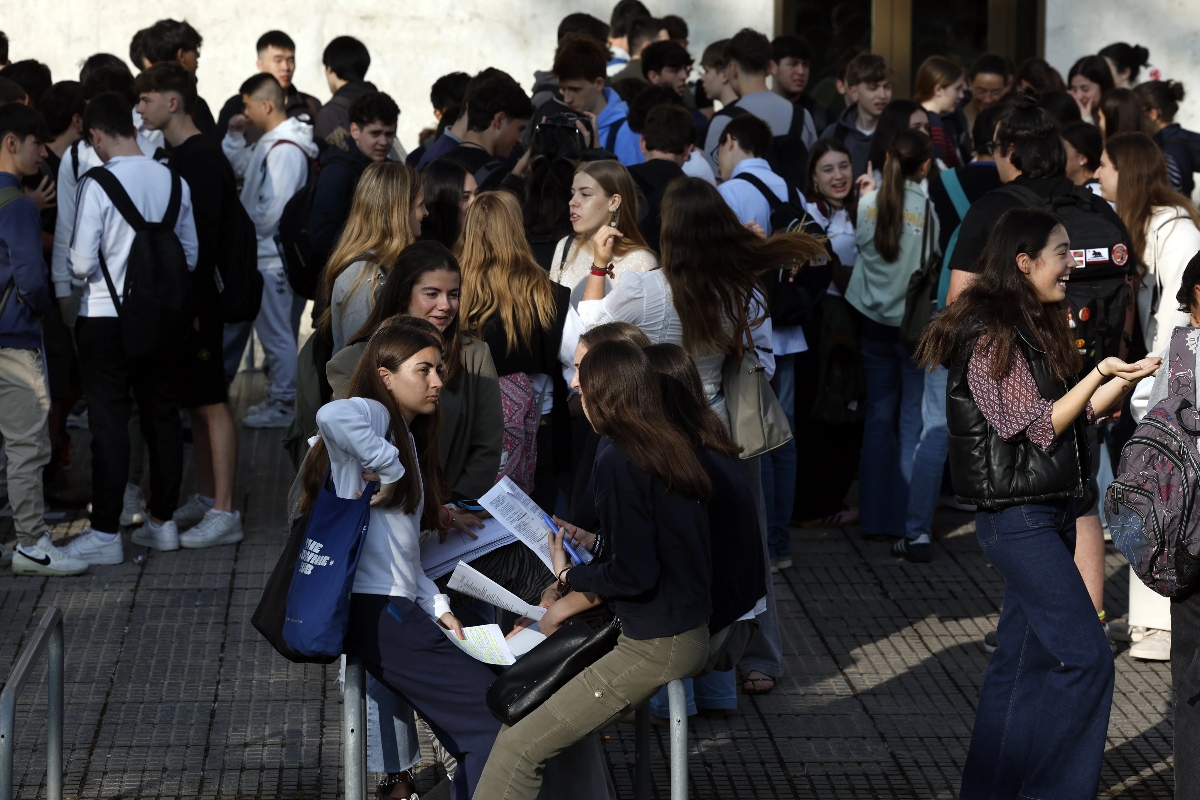
The FAFSA is the bridge to federal financial aid, including grants, loans and work-study programs.
Each year, millions of students use it to cover college costs.
The form evaluates families’ financial information to determine how much support they can receive.
It is also used by states and schools to award their own grants.
Even some private scholarships require FAFSA data to verify eligibility.
For the 2026-27 cycle, the filing deadline is June 30, 2026.
Students who apply early are more likely to get funding, as some programs distribute funds on a first-come, first-served basis.
The Department of Education recommends acting quickly to maximize opportunities for assistance.
How to prepare?

Preparing for the FAFSA is easier than it sounds.
Students must create an account on the studentaid.gov website.
This step requires a Federal Student Aid ID (FSA ID), which can take up to three days to verify.
It is crucial to gather documents such as Social Security Number, 2024 tax returns and bank statements.
For non-citizen students, the Alien Registration Number is required.
The Department of Education suggests using the Federal Student Aid Estimator.
This tool provides a rough idea of the financial package a student might receive.
Having the documents ready before October 1 expedites the process.
Early preparation avoids mishaps and ensures that data is accurate.
Who should apply?
All students planning to attend college in 2026 must complete the FAFSA.
This includes first-time entrants and those already in college.
The application is valid for the full academic year, from July 2026 to June 2027.
Even those who believe they do not qualify for federal aid must submit it, as many schools use this information to award scholarships of their own.
Students whose parents are divorced should include the information for the parent who provides the most financial support.
The FAFSA also allows you to list up to 20 schools on the online version, an increase from previous years.
This makes it easy to send the information to multiple institutions without complications.
The FAFSA process may seem overwhelming, but it is a key step in accessing higher education.
Students who prepare early will be better positioned to receive support.
The current beta phase demonstrates the Department of Education’s commitment to improving the experience.
With the official launch just around the corner, now is the time to act.
Students have until mid-September 2026 to make corrections, but applying early is the best strategy.
This article was originally published in Nueva News.