




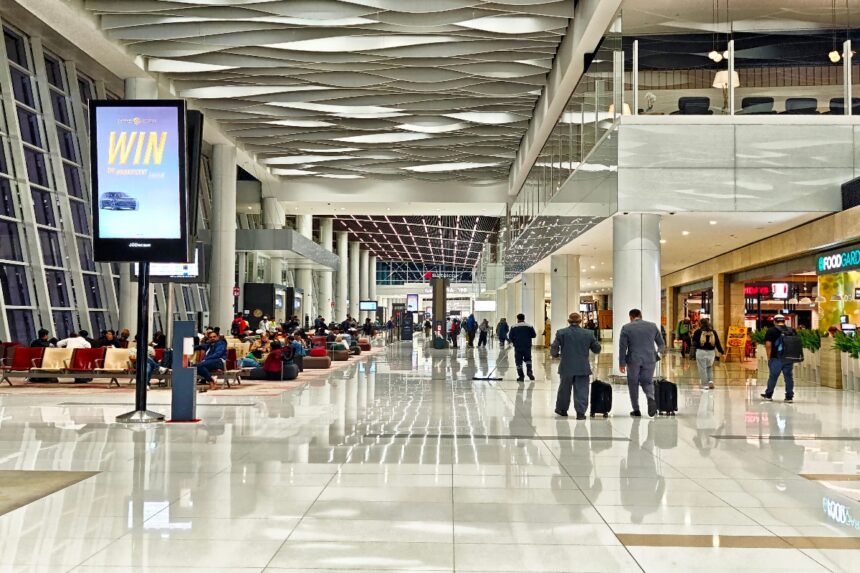
The U.S. State Department has raised the travel alert level for Bahrain, one of the countries attacked in recent hours by Iran, and allows non-essential personnel to leave the country.
In a statement, the State Department warns Americans to reconsider their travel to Bahrain and allows non-essential government personnel, along with their family members, to leave the country “due to security risks.”
U.S. warns of risk of missile and possible terrorist attacks
Following the launch of U.S. combat operations in Iran, Americans worldwide and especially in the Middle East should follow the guidance in the latest security alerts issued by the nearest U.S. embassy or consulate. They may experience travel disruptions due to periodic airspace… pic.twitter.com/eBf6u6nUvz
– TravelGov (@TravelGov) February 28, 2026
The increased travel alert level, issued last Saturday, comes after the United States and Israel launched military strikes against Iran, with Tehran responding with attacks across the region.
“Following the start of hostilities between the United States and Iran this February 28 there has been a constant threat of drone and missile attacks from Iran.”
“As well as significant disruptions to commercial flights,” the updated travel alert states.
“Terrorist groups continue to plan possible attacks in Bahrain. Terrorists may strike with little or no warning.”
“Targets may include tourist sites, transportation hubs, markets, shopping centers and religious sites, as well as government and military installations,” the note added.
Bahrain is the first U.S.-sanctioned departure.
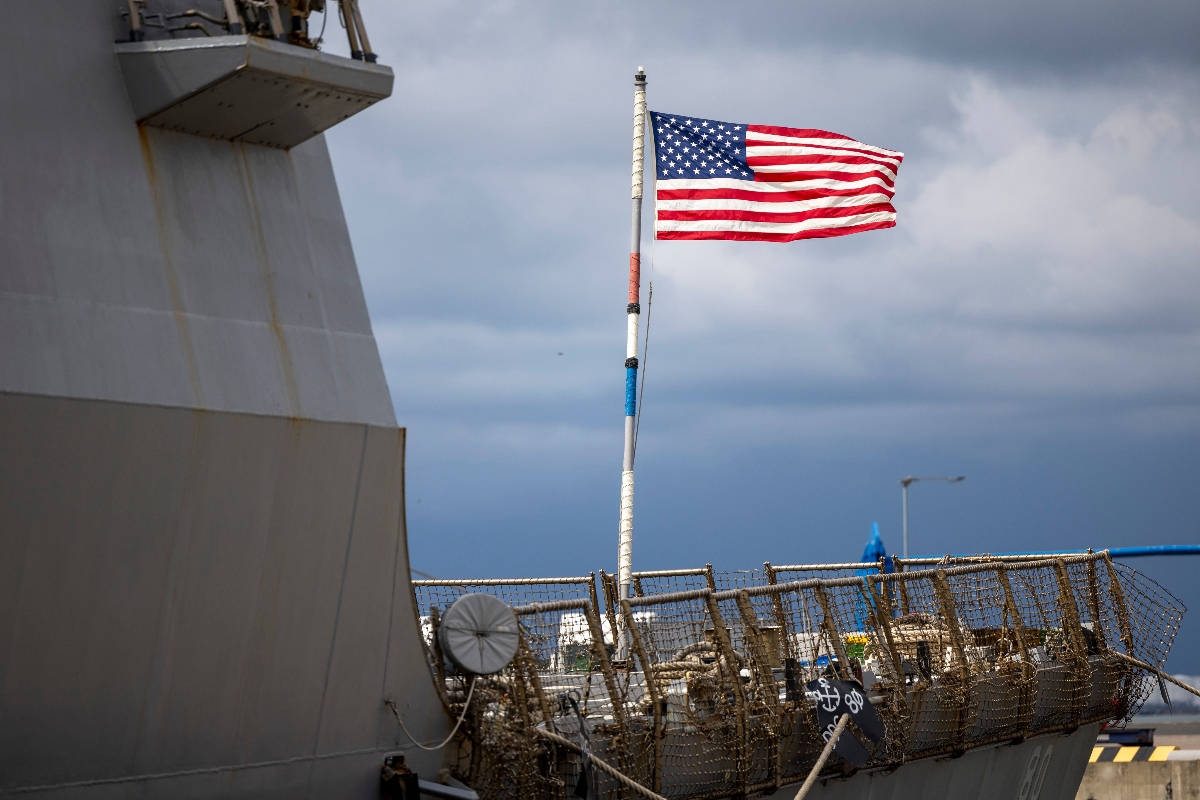
The travel advisory level for Bahrain has been increased
QuéOnnda.com
Bahrain is home to the headquarters of the U.S. Navy’s Fifth Fleet, which was attacked by Iran on Saturday.
This authorized departure in Bahrain is the first allowed by the U.S. Government since the beginning of the military action.
Last Friday, February 27, the State Department authorized the departure from Israel of non-essential personnel and on Monday did the same for its workers in Lebanon.
With information from EFE
For more information, visit QuéOnnda.com