





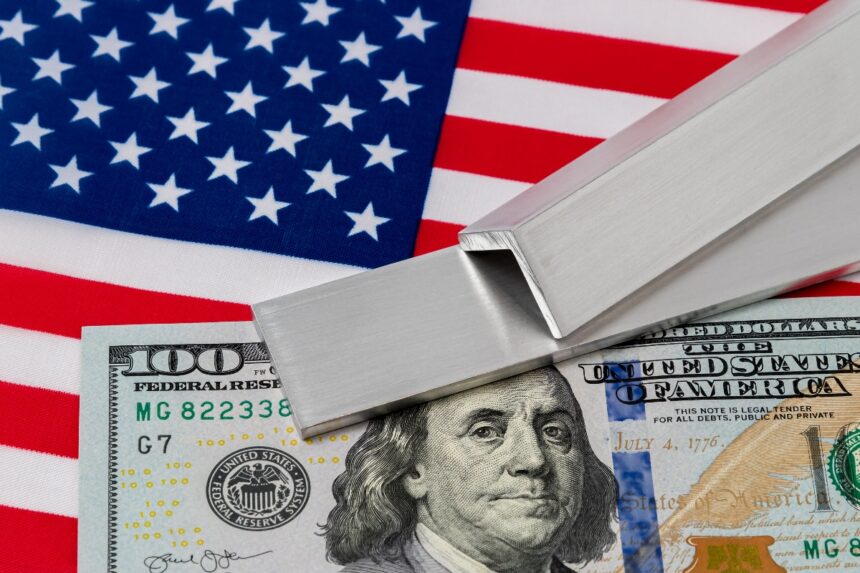
President Donald Trump’s administration extended the scope of its 50% tariffs on steel and aluminum, with the inclusion of more than 400 additional product categories including fire extinguishers, agricultural machinery, construction materials, rail cars and wind turbines.
The new measure considerably broadens the impact of these levies put into effect last June and affects a total of 407 items whose imported steel and aluminum content now faces this barrier, applied to “strengthen U.S. industry,” the Commerce Department specified in a statement.
U.S. imposes tariffs on steel and aluminum
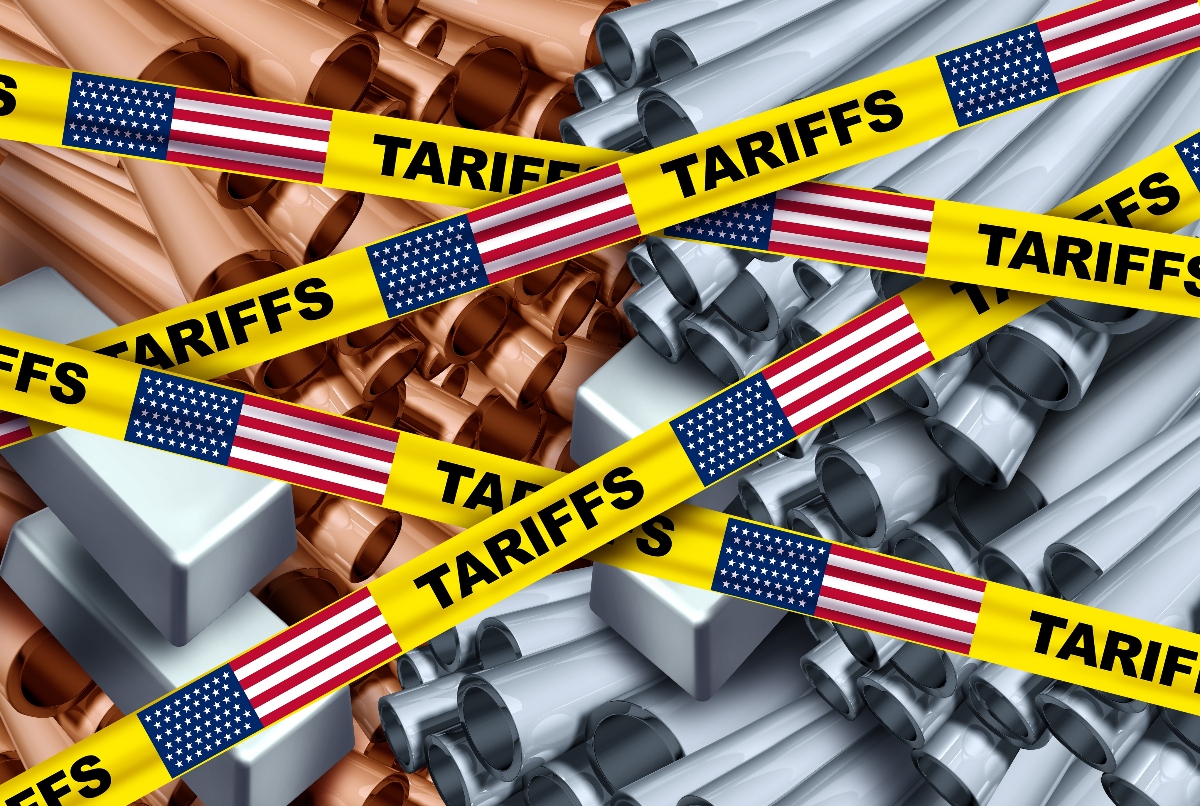
This inclusion “covers wind turbines and their parts and components, mobile cranes, excavators and other heavy equipment, rail cars, furniture, compressors and pumps, and hundreds of other products,” the entity specified Tuesday.
With the implementation of this extension, the Trump Administration “broadens the scope of the steel and aluminum tariffs and blocks avenues for circumvention, supporting the continued revitalization of U.S. industries,” said Under Secretary of Commerce for Industry and Security Jeffrey Kessler.
However, analysts warn about the possible consequences of these measures for exporters, manufacturers, companies and farmers in the US.
“I still wonder how U.S. factories benefit from making the equipment needed to outfit them more expensive,” questioned Michigan State University supply chain management professor Jason Miller in a post on the LinkedIn network.
Miller said that according to his calculations, the expanded steel and aluminum tariffs “now affect at least $320 billion in imports, based on the overall customs value of imports in 2024.”
This will add further inflationary cost pressures to the already rising prices charged by domestic producers
Jason Miller
Among the countries most affected by this new measure would be Germany and Japan, the expert estimated.
Since his return to power in January, Trump has escalated the trade war against his partners.
It has applied levies ranging from base tariffs of 10% for countries with which the U.S. maintains a surplus and 15% for those with deficits, in addition to other amounts it considers “reciprocal”.
In the tariff truce period that ended on August 7, Washington reached agreements to lower tariffs with some nine allies, including the European Union, to which it lowered the tariff from 30% to 15%.