




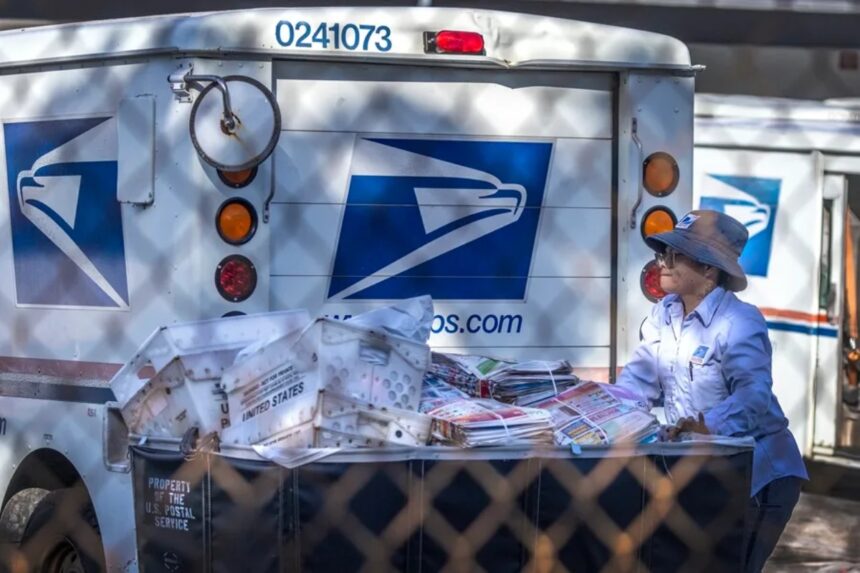
The United States Postal Service (USPS) issued an alert to millions of consumers about a new form of digital fraud that is gaining ground: the scam known as “brushing”.
While receiving a free package at home may seem like an unexpected gift, it is actually a sign that your personal information may have been compromised and is circulating on the Internet.
What is the brushing scam?
Brush fraud occurs when online sellers send unsolicited products to real addresses.
The items are usually low-cost, such as socks, toothbrushes, key rings or kitchen utensils.
Subsequently, fraudsters use this delivery as justification to post fake reviews on sales platforms, pretending that the recipient purchased and approved the product.
“These scams occur when a customer receives unsolicited packages containing low-value items, such as household products,” explained Kelly McNulty, USPS postal inspector.
“They are often sent by online retailers or third parties who use compromised personal information to create fraudulent transactions.”
The main concern is that if you receive a package you never ordered, someone already has access to your name, address and possibly more sensitive data, which can open the door to more complex fraud.
Risks of brushing fraud

Although at first glance receiving a free package may seem harmless, cybersecurity experts warn that brushing poses a serious threat.
The first risk is identity theft: fraudsters can use the information obtained to open fake bank accounts, commit credit card fraud or even perform phishing attacks on your emails.
“This is not just an unexpected package,” McNulty warned.
“We should treat our personal information as if it were cash.”
In some cases, the packages include QR codes printed on the labels.
Scanning them could direct the user to malicious websites designed to steal passwords, install viruses or intercept banking data.
Specialists recommend paying special attention if you receive several packages in a short period of time, as scammers often send multiple items to inflate their fake sales record.
What to do if you receive a suspicious package
USPS and digital security experts recommend staying calm and taking immediate action if you receive a package you never ordered. Here are some key actions:
Report it immediately on USPIS.gov. This helps investigators trace the origin of the scam.
Check your bank accounts and shopping platforms. Detect unusual movements and request a free credit report from Equifax, Experian or TransUnion.
Change your passwords. Prioritize your emails, online banking and digital stores where you have registered cards.
Do not return the package or post reviews. Doing so would only confirm to the scammers that your address is valid.
Never scan QR codes on the package. They can lead to fraudulent sites that steal information or install malware.
The USPS emphasizes that these steps are essential to cut the chain of brush fraud and reduce risks associated with your financial security.
Other scams of concern to USPS
In addition to brushing, the USPS is also warning about another booming scheme: the sale of counterfeit postage stamps.
McNulty explained that if you find discounts of 40% or 50% on unofficial sites, they are most likely counterfeits.
The use of these stamps may cause your shipments to be rejected and even face fines.
To address these threats, the Postal Service launched Project Safe Delivery in 2023, a campaign focused on combating mail-related fraud.
Since then, this initiative has resulted in more than 2,800 arrests, including 1,200 so far in 2025, for crimes such as mail theft, fraud and attacks on postal workers.
Specialists stress that, in a digital environment where personal data is increasingly valuable, prevention is the best protection tool.
Recognizing red flags such as unsolicited packages, overly attractive online offers or messages asking for private information can make the difference between being safe or becoming a victim of fraud.
The USPS reiterates that protecting your information is as important as protecting your Social Security number or debit card.
Therefore, the key is to remain alert and report any suspicious situation before it evolves into a major crime.
This article was originally published in Nueva News.