





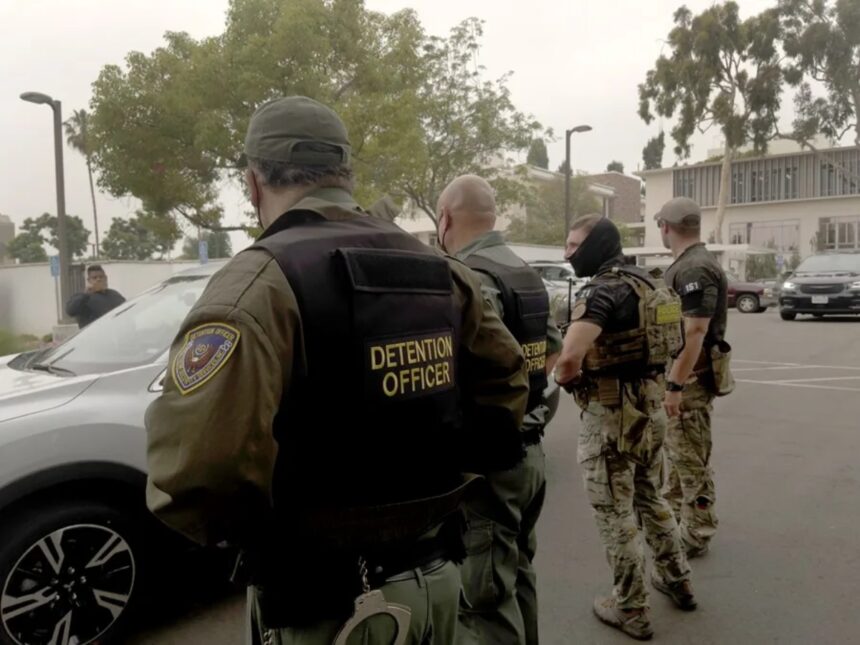
As Donald Trump’s administration intensifies its campaign to detain and deport undocumented people, ICE raids have become more frequent in 2025. Immigration raids in workplaces, homes and public spaces generate dramatic scenes that are recorded and shared on social media, provoking both support and criticism across the United States.
The Department of Homeland Security (DHS) reported that it has received thousands of requests from citizens who want to join ICE in supporting these actions, while facing legal challenges and allegations of abuse. In this scenario, it is vital that the Latino community knows what to do if you are caught in an ICE raid and what rights protect you.
Basic rights during an ICE raid
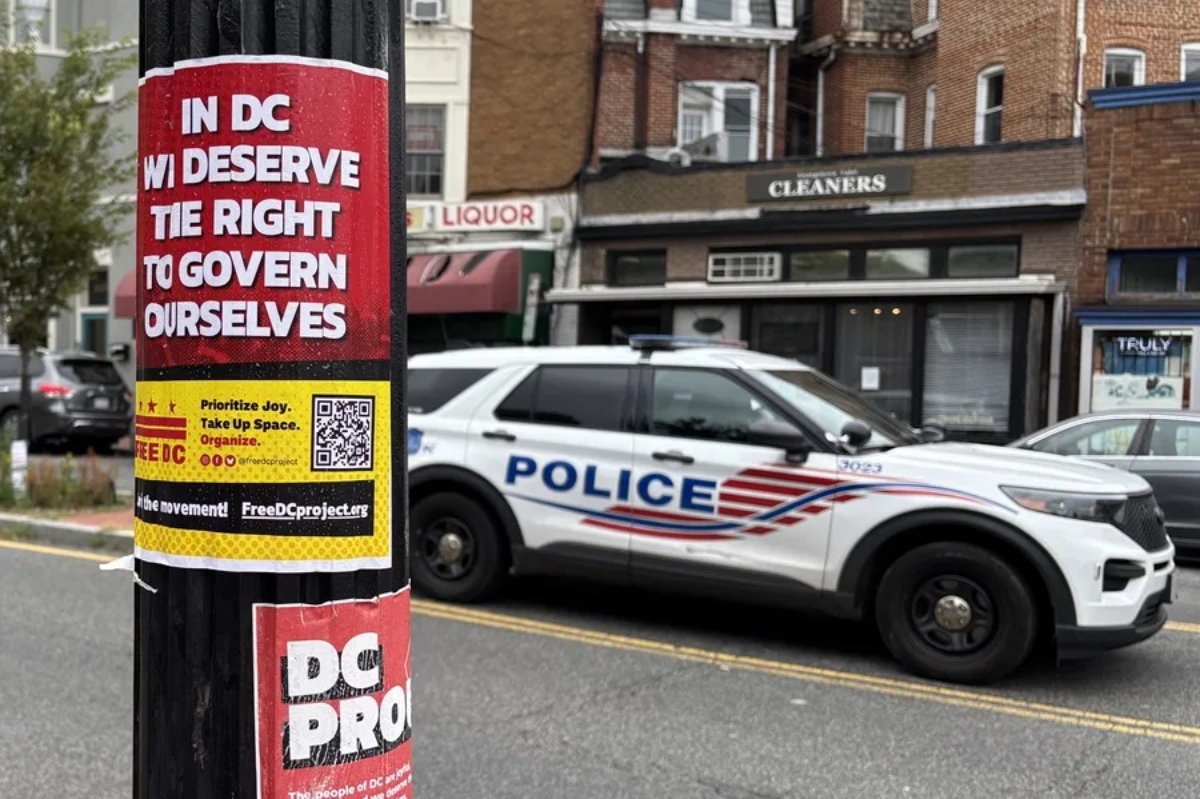
In the event of an encounter with immigration agents, all individuals – regardless of their status – have certain rights under the U.S. Constitution.
One of the most important is the right to remain silent and not to sign documents without legal counsel.
Specialists recommend asking officers if they have a valid warrant before opening the door of a house or allowing a search.
In addition, the Fourth Amendment protects against arbitrary arrests and excessive use of force.
Although being undocumented is generally considered a civil infraction and not a criminal offense, the reality is that ICE treats detainees as subjects in deportation proceedings.
This means that a public defender is not guaranteed, so contacting a legal aid organization immediately is essential.
Recording operations, as long as it does not interfere with the work of the agents, is legal in public spaces.
However, this practice may involve risks, as some states have attempted to impose restrictions on law enforcement recordings.
What to do if you are caught in an ICE raid
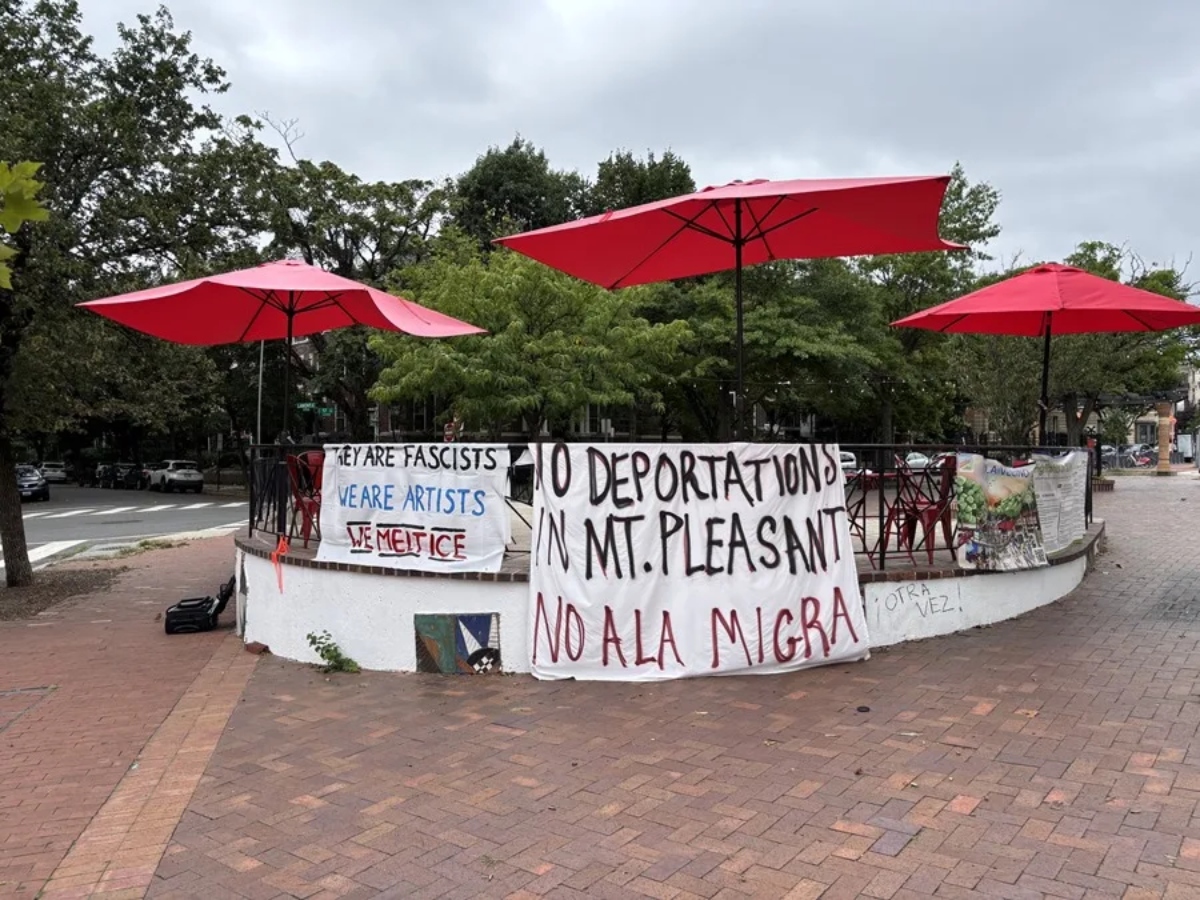
The key question for thousands of immigrant families in 2025 is what to do if you are caught in an ICE raid.
Civil rights attorneys offer several practical recommendations:
Remain calm and do not physically resist arrest.
Ask the agent if he/she has a warrant signed by a judge, not just an administrative order.
Exercise your right to remain silent: don’t lie, but don’t give unnecessary information either.
Do not sign any document without first speaking to a lawyer.
If you are a witness, write down the full name, date of birth and, if possible, the detainee’s registration number (A-number).
This information is key to locate you later in the ICE system.
Although agents are not required to identify themselves or answer questions, documenting the facts may assist in subsequent legal proceedings.
Difficulties in locating detainees after a raid
One of the biggest concerns for families is locating their loved ones after they are arrested.
ICE is not required to publicly report detentions, which complicates the efforts of attorneys, journalists and family members.
The A-number, a nine-digit code assigned to any person who has had contact with the immigration system, is essential for tracking a detainee.
This number can be used in ICE’s online database to learn the person’s location and status.
In case you do not have it, you can try with the name, country of origin and date of birth.
However, official databases are not always up to date, especially given the increase in arrests under the Trump administration.
This means that finding information can take days, during which time families live with great uncertainty.
The political context behind the raids in 2025
Immigration raids not only have a direct effect on undocumented immigrants, they also generate a climate of fear in entire communities.
Under President Donald Trump, ICE has expanded its presence in places where immigrants once felt safer, such as churches, schools or supermarkets.
Civil rights organizations denounce that these tactics seek to sow fear rather than enforce the law, as arrests are made even in warrantless operations.
Lawyers stress that being undocumented is an administrative offense, not a crime, although re-entering after deportation does constitute a serious crime with prison sentences.
Meanwhile, some states such as New York have passed initiatives to ensure that people in deportation proceedings have access to free legal representation.
However, in much of the country, the lack of an attorney makes it difficult for immigrants to defend themselves.
In this scenario, the question of what to do if you are caught in an ICE raid takes on greater importance for the Latino community, which must be informed and prepared to act correctly and safely in any encounter with immigration authorities.
This article was originally published in Nueva News.