



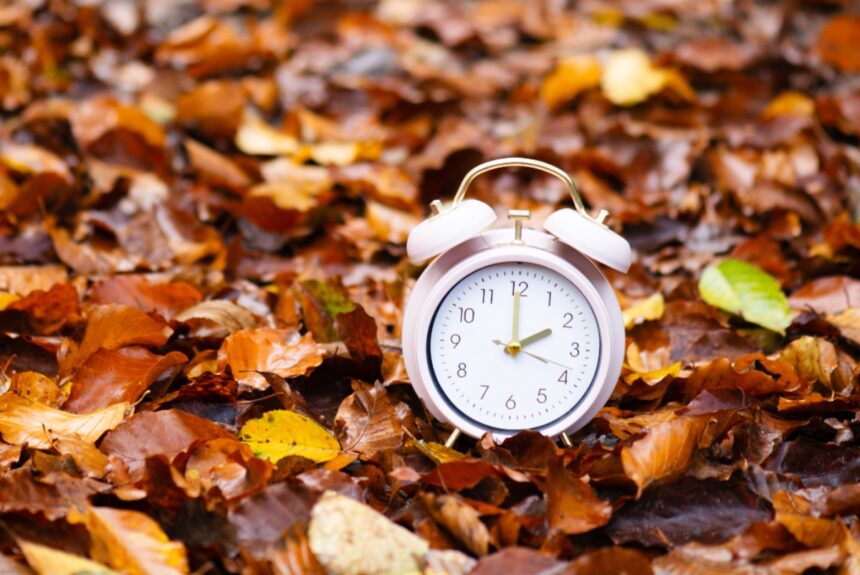
Daylight saving time ends in the United States on Sunday, November 2, 2025, at 2:00 a.m. local time. On that day, the clock should be set back one hour, which means that most people will gain an extra hour of sleep.
This 2025, the change occurs one day earlier than last year, as it is usually on the first Sunday in November. The earliest possible date would be November 1, and this year it falls on the second earliest possible day.
What exactly is Daylight Saving Time?
Daylight saving time is a seasonal adjustment in which clocks are set forward in March to take advantage of more daylight hours in the afternoon, and set back in November to have more morning light during the winter months.
This system has been used for decades with the aim of saving energy, although its effectiveness has been a matter of debate.
In 2025, despite several proposals in Congress to eliminate it, the time change is still in effect in most of the country.
Who should change the clock?
The change affects the vast majority of U.S. states, but there are important exceptions.
They do not observe daylight saving time:
Hawaii
Most of Arizona (except the Navajo Nation, which does respect it).
Puerto Rico
Guam
American Samoa
Northern Mariana Islands
U.S. Virgin Islands.
Hawaii, for example, does not change its time zone because its proximity to the equator means that there is little variation in sunlight during the year.
In the case of Arizona, the extreme heat caused the state to choose to keep the same time year-round to avoid later sunsets during the hottest months.
When does the time change again in 2026?
The next time change – when the clock is set back one hour – will be on Sunday, March 8, 2026, when daylight saving time will begin again.
Why does this matter for Hispanics in the U.S.?
For many Latino families, the time change affects school routines, work shifts, medical appointments and connections with family members in other countries.
Adjusting correctly to the new schedule can help to avoid confusion, be on time for work or important events, and take care of mental health, especially in people sensitive to light changes.
Useful tip
Be sure to update all your devices, especially if you use manual alarm clocks, kitchen timers, or if you travel between states that do not observe the change.
Smartphones and computers usually update automatically, but if you work in security, healthcare, transportation or manufacturing systems, check for manual configurations.
For more information, visit QuéOnnda.com.