






When winter arrives in the United States, extreme temperatures, respiratory viruses and changes in family routines can affect the health of millions of Hispanics. From increased cases of flu and COVID-19 to the risk of accidents at home due to inadequate heating, this season calls for specific care to help prevent emergencies and keep families safe.
This guide for Hispanic health in Winter brings together practical, accessible and expert-backed recommendations for getting through the winter season with greater well-being.
The right coat: more than just putting on a sweater
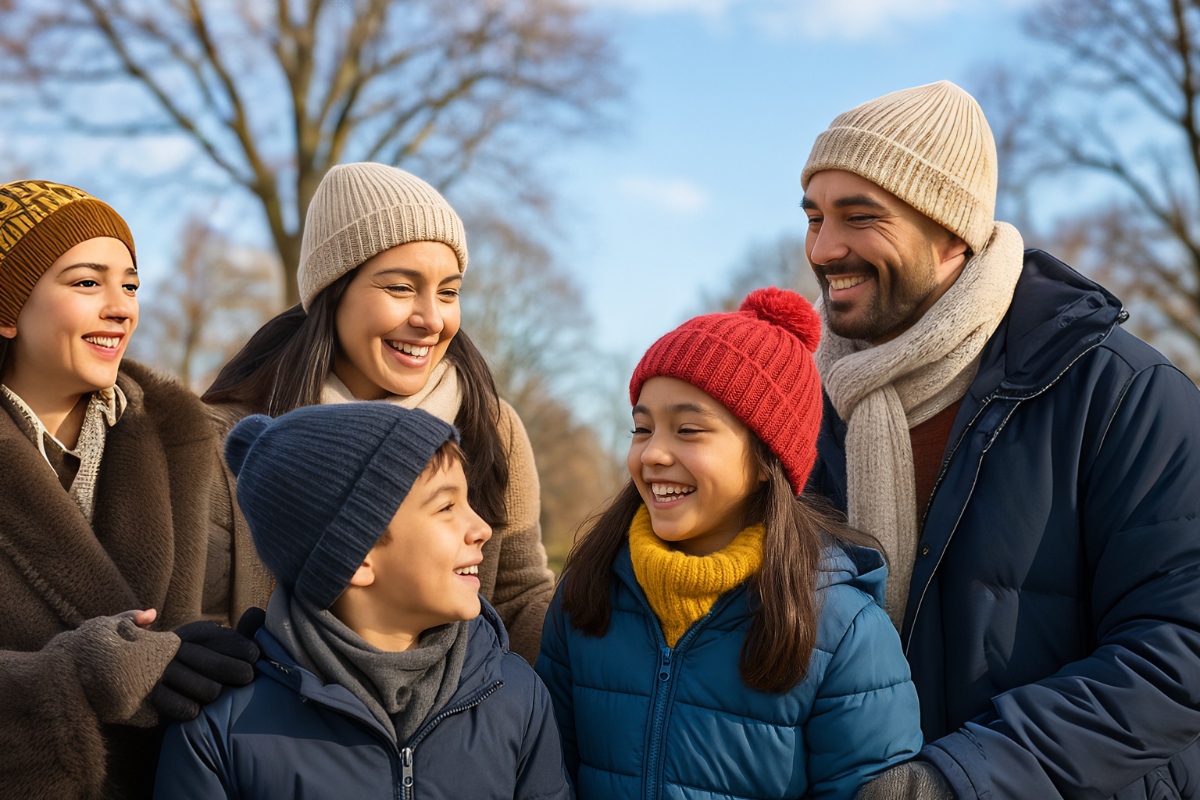
Low temperatures can cause hypothermia and frostbite, especially in older adults, children and people with chronic diseases.
The Centers for Disease Control and Prevention (CDC) recommends dressing in layers: thermal shirts, sweaters and a windproof jacket.
Hats, gloves and thick socks are essential, as much of the body heat is lost through the head and extremities.
Safe heating inside the home
?utm_source=push&utm_medium=chrome&utm_campaign=news
Every year, domestic fires and cases of carbon monoxide poisoning are reported due to the misuse of space heaters.
To prevent them, experts advise:
Keep portable heaters away from curtains and furniture.
Avoid using gas stoves as a heat source.
Install carbon monoxide detectors and check their batteries.
Adequate ventilation of spaces.
Families struggling to pay for heat can apply for assistance through state programs such as LIHEAP, which is available in most states.
Food that strengthens the immune system
During winter, the body needs more energy and nutrients. Incorporating broths, soups, seasonal vegetables, lean proteins and fruits rich in vitamin C helps strengthen the body’s defenses.
It is also advisable to keep well hydrated, even when you are not thirsty, as heating can dry out the air and affect the throat.
Prevention of respiratory diseases
Viruses such as influenza, COVID-19 and RSV tend to spread more easily in winter.
Official recommendations include:
Keep up to date with available vaccinations.
Wash hands frequently.
Ventilate spaces where several people live together.
Cover coughs and avoid close contact with sick people.
Families with young children should pay special attention to warning signs such as difficulty breathing, persistent fever or dehydration.
Mental care during the cold months
Winter can cause seasonal sadness or stress, especially among migrants living away from their families.
Small actions help maintain emotional well-being: walking during the day to get sunlight, maintaining healthy routines, making time for recreational activities at home, and seeking support if experiencing anxiety or depression.
Storm and emergency preparedness
Many states face snowstorms, power outages and dangerous roads.
It is advisable to have an emergency kit with water, non-perishable food, flashlight, batteries and essential medicines.
It is also important to check the condition of the vehicle, carry a thermal blanket and avoid driving during weather alerts.
Protecting your health in winter does not require great expense, but rather clear information and preventive habits.
With these recommendations, Hispanic families can face the cold season in a safer way, taking care of both their physical and emotional well-being.
Filed Under: Hispanic Health in Winter