





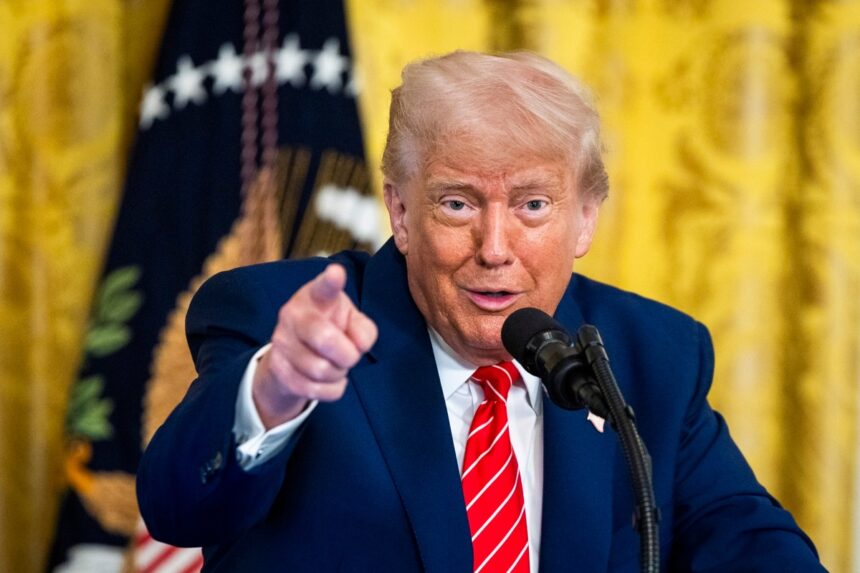
President Donald Trump again publicly expressed his displeasure with the federal courts for blocking key parts of his immigration agenda, including mass deportations and swift removals of undocumented immigrants.
In a message published this Sunday on his social network Truth Social, the president affirmed that the judicial system is preventing him from fulfilling the mandate for which, according to him, he was elected by a resounding majority.
Trump criticizes judges

President Donald Trump wrote on Truth Social, “Our country has been overrun by 21 million illegal aliens, many of them high-level criminals, and if we are not allowed to expel them because of a radicalized judicial system, America will become a crime-ridden third world nation.”
This type of statements, loaded with alarmist language and in capital letters, are characteristic of the president’s communicative style and have generated criticism both inside and outside the country for contributing to the stigmatization of migrant communities.
Friction with the judiciary
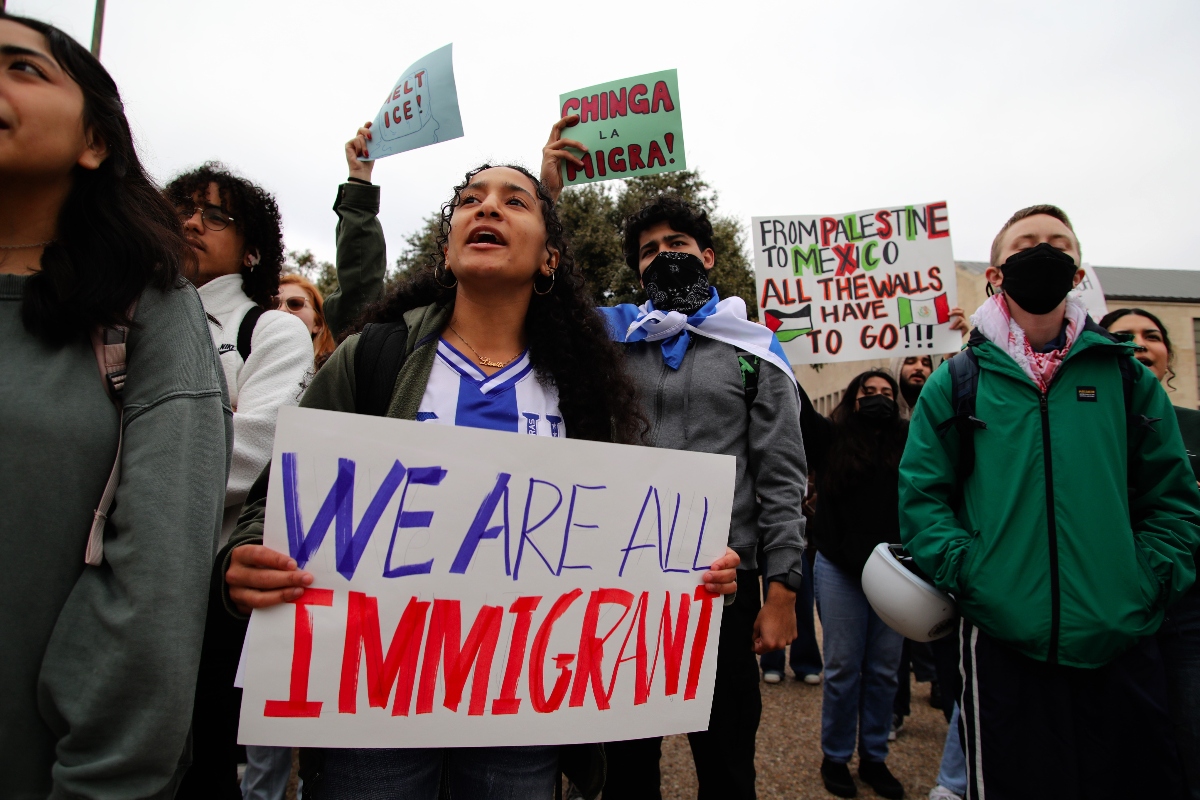
In recent weeks, several courts have temporarily blocked key Trump administration initiatives.
One of the most controversial was the executive order allowing for the rapid removal of immigrants apprehended at the border, without allowing them to apply for asylum or a hearing before an immigration judge.
This measure, which particularly affected applicants from Venezuela, Nicaragua and Haiti, was suspended by the Supreme Court pending the resolution of legal claims alleging violations of fundamental rights.
In addition, lower courts have also questioned the sending of migrants to detention centers in third countries, such as the case of transfers to the Tecoluca mega-prison (CECOT) in El Salvador.
Human rights organizations have denounced that these facilities do not guarantee adequate conditions or due process.
Debate on habeas corpus
Another point that has generated concern among legal experts is the intention, expressed by advisors close to Trump, to suspend habeas corpus, which is the constitutional right that protects people against arbitrary detentions.
This idea was put forward by Stephen Miller, one of the architects of the president’s immigration policy, who pointed out that the Constitution allows for the suspension of habeas corpus “in cases of invasion.”
Although this interpretation is legally debatable, the mere fact that the government is considering it has raised alarms in the legal community and among civil rights groups, who warn that it would be an extreme measure without recent precedent.
What does this mean for immigrants?
For the Hispanic and immigrant community in the United States, the tightening of immigration policies and the language with which they are presented from the White House generate a climate of uncertainty and anxiety.
Immigration attorneys consulted by media outlets such as Univision, Telemundo and the National Immigration Law Center agree that knowing your legal rights and having contingency plans is more important than ever.
Despite the president’s statements, any structural changes to the immigration system must undergo judicial review and can be challenged in the courts.
For now, the most aggressive policies remain in legal dispute, and court orders prevent their immediate implementation.
Our country has been invaded by 21 million illegal aliens, many of them high-level criminals, and if we are not allowed to remove them due to a radicalized judicial system, the United States will become a crime-ridden third-world nation
Donald Trump