





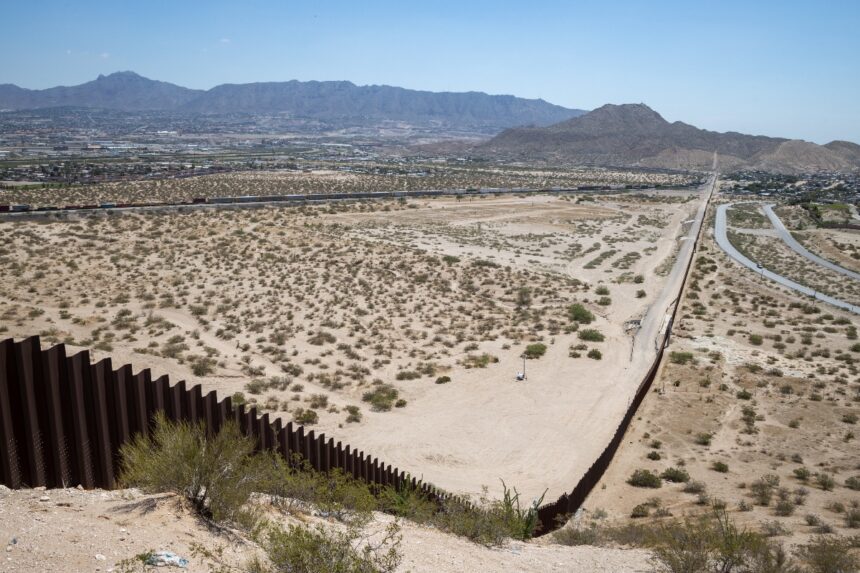
The U.S. government has intensified its immigration policy with the creation of two new militarized zones along the southern border with Mexico.
This brings to four the number of National Defense Areas (NDAs) where military personnel have the authority to temporarily detain unauthorized border crossers.
Where will these new areas be?
As confirmed by the Department of Defense on June 26, 2025, Secretary Pete Hegseth directed the Air Force and Navy to establish two new NDAs at strategic points:
Texas: A strip of approximately 400 kilometers along the Rio Grande River, covering Cameron and Hidalgo counties.
This area will be under the jurisdiction of Joint Base San Antonio.
Arizona: Another zone will be made available in the west of the state, although specific details of its extent have not yet been publicly disclosed.
These are in addition to two other existing zones:
New Mexico: Established on April 21, with an extension of 112 km.
West Texas: As of May 1, covering 101 km between El Paso and Fort Hancock.
What can military personnel do?
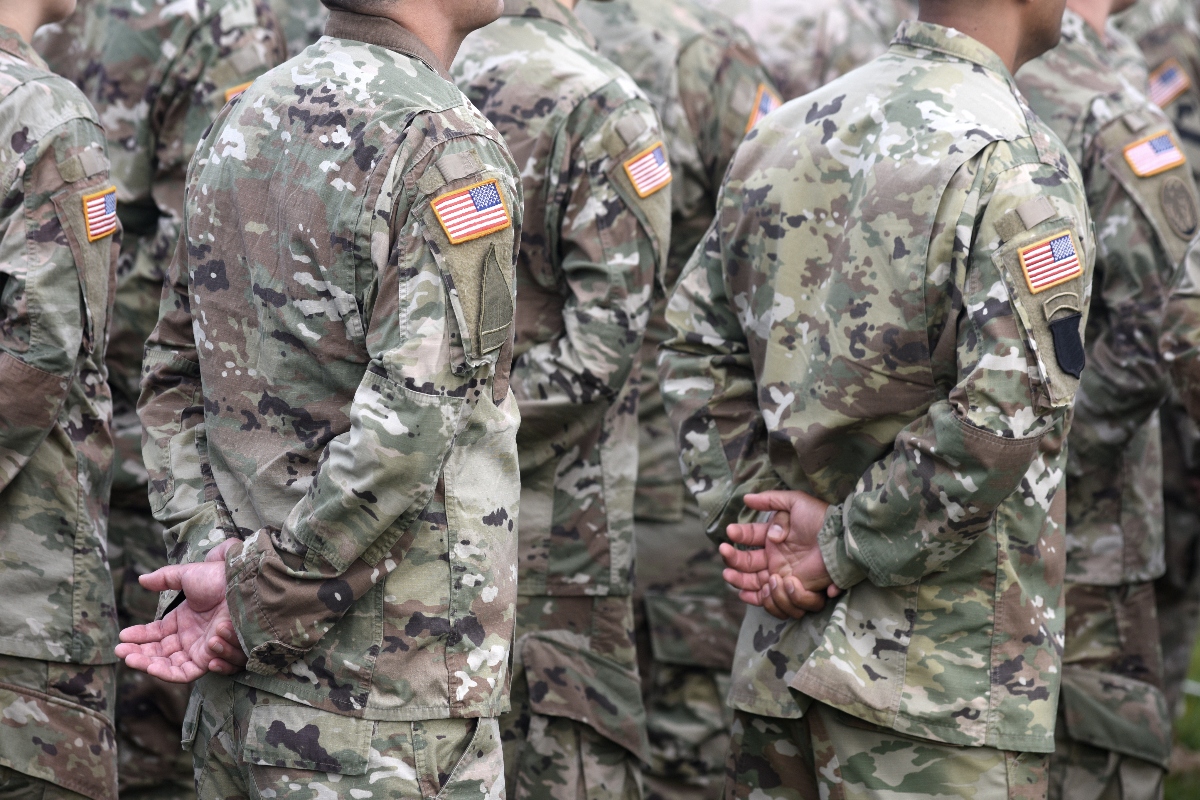
Within these zones on the southern border between Mexico and the United States, the military is authorized to:
Conduct fixed and mobile surveillance
Temporarily detain border crossers
Support local authorities in logistical tasks
Install barriers and temporary signage
Crossing through a militarized zone exposes individuals to charges for two crimes: irregular entry into the United States and trespassing on federal military property.
More aggressive immigration policy
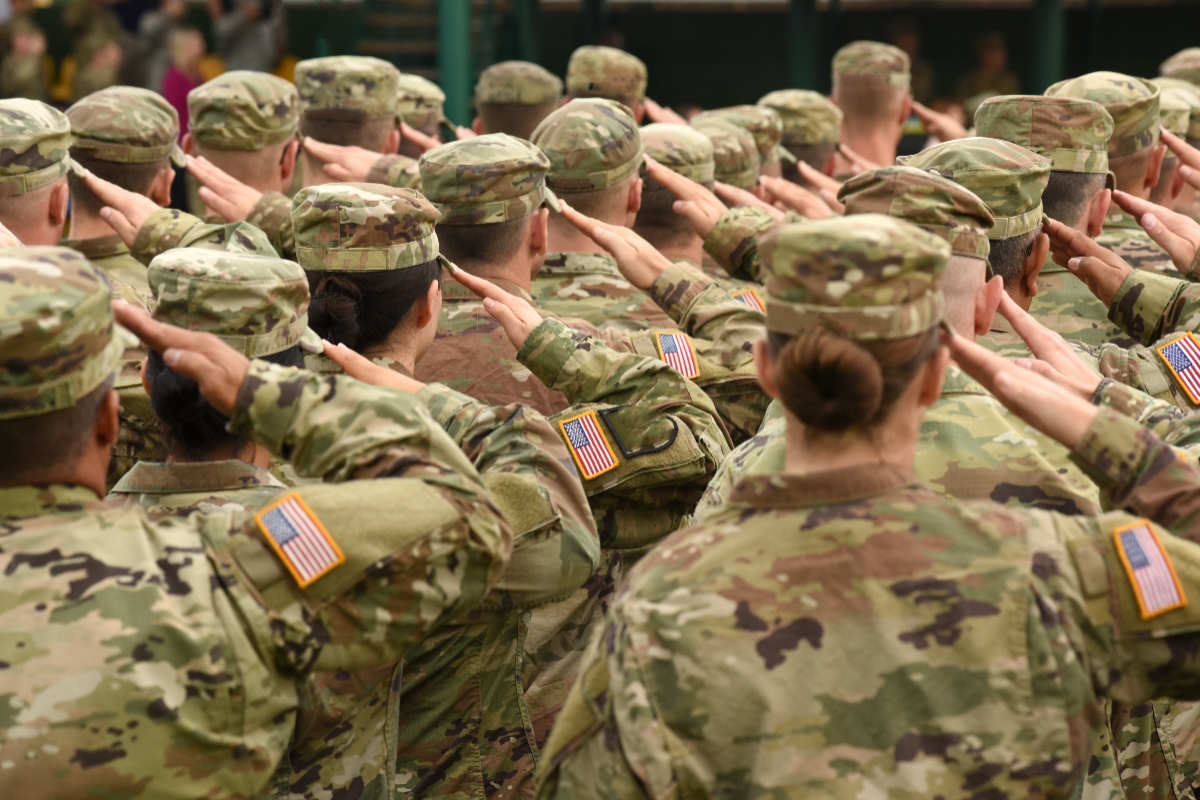
On April 11, President Donald Trump authorized the Army to take control of federal land along the U.S.-Mexico border.
This is part of his immigration tightening strategy since his return to power in January 2025.
In fact, the Pentagon’s role in immigration control has been increasing, making the military a key player on the southern border.
An attention-grabbing case occurred on June 5, when a federal jury acquitted a Peruvian migrant who had crossed through a military zone in Texas.
It was the first trial of its kind since the implementation of the NDAs.
What migrants should know
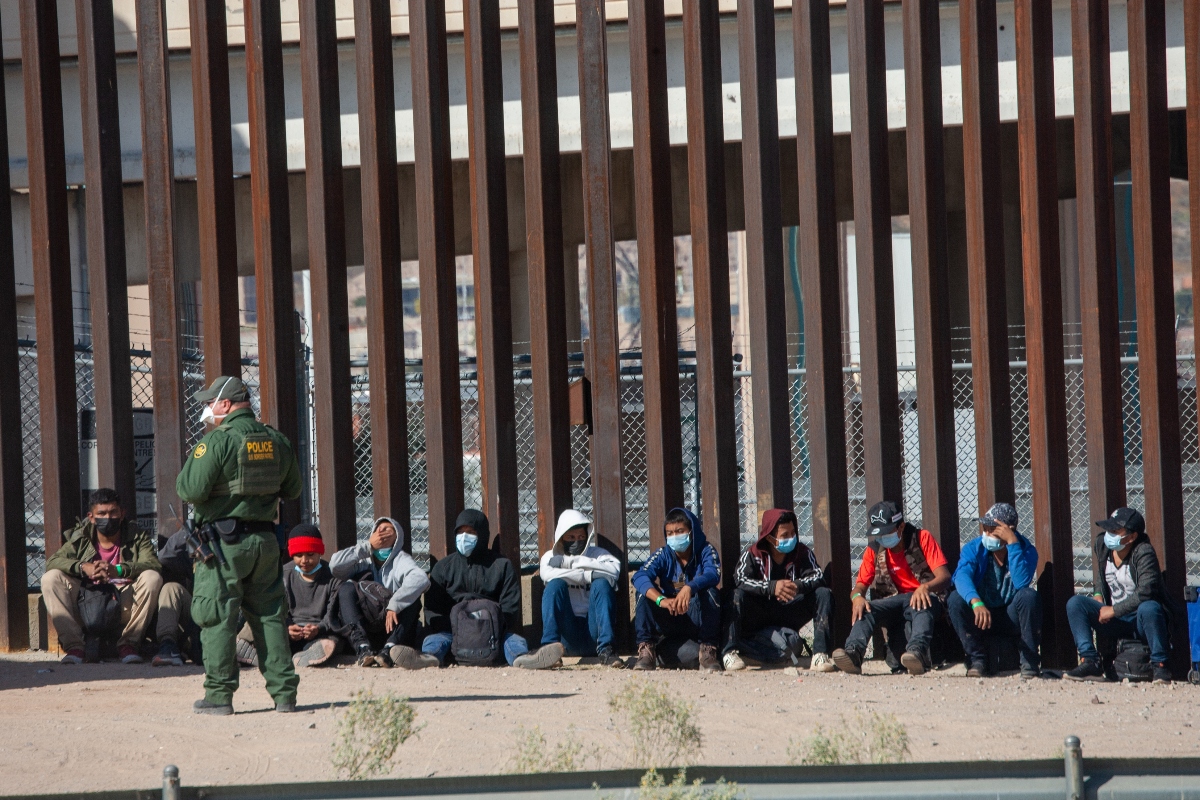
The Pentágon's role in immigration control has been increasing
Activists and lawyers advise migrants and their families to be clear about the new risks.
Crossing through one of these zones not only increases the likelihood of arrest, but may also result in additional criminal prosecution.
It also warns that migrants facing these charges should seek specialized legal advice, as military jurisdiction involves different procedures than civilian ones.
For more information, visit QuéOnnda.com.